
A bowl of slow-cooked chickpeas in their cumin-and-garlic-spiced broth poured over torn day-old bread cubes, topped with a poached egg, olive oil, harissa, capers, lemon juice, and tuna. The Tunisian street-stall winter breakfast and hangover cure; eaten standing at neighborhood lablabi joints.
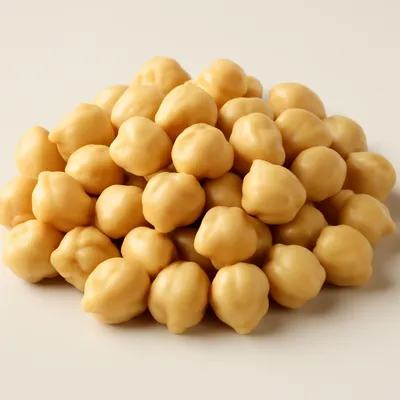
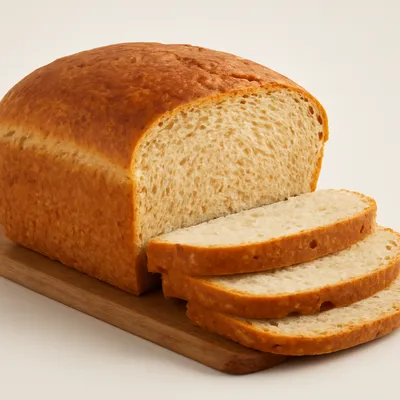

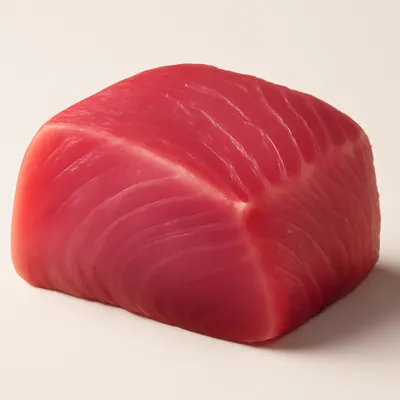


Lablabi is the working-class Tunis breakfast — sold from sidewalk windows where customers bring their own bowl (or borrow the stall's). The dish dates to at least the Ottoman era and is structurally similar to other chickpea-and-bread soups across the Mediterranean (Turkish nohut çorbası, Italian zuppa di ceci). The Tunisian touch is the harissa-and-egg-and-tuna garnish that turns the soup into a complete meal. Eating lablabi from a roadside stall on a cold Tunis morning is a non-tourist Tunisian experience.
Spoon dives into bread-soaked broth, picks up creamy chickpea, runny yolk that pours through the soup, lemon-bright tuna flake, briny caper, harissa heat. The bread has dissolved at the bottom and held shape at the top — different textures in one bowl. Each bite is a different combination. Tunis cold morning warmth in liquid form.
Long chickpea soak + slow cook is structural — overnight hydration breaks starch granules sufficiently for the 75-90 min cook to fully soften without splitting them. The reserved broth becomes the dish's foundation; without keeping it, the resulting soup is thin and flavorless. Adding garlic and cumin late preserves their aromatics; long-simmered garlic loses sharpness.
Variations
Vegetarian lablabi skips tuna. Tuna-free chickpea-only version is the most affordable street-stall variant. Egg-free version exists for Lent. Modern bistro lablabi adds Turkish-style mint and yogurt — controversial. Sfax-style adds preserved lemon.
On the Palate
Where Lablabi sits in the Tunisian flavor cloud
Ingredients
Serves 4







How it's made
8 steps · 25 min active + 1 hour 5 min waiting
- 1720 min
Soak 300 g dried chickpeas in cold water overnight (12 hours). Drain.
- 282 min
Place chickpeas in a large pot with 2 L water + 1 bay leaf + 1 whole onion (peeled) + 1 tsp salt. Bring to boil; reduce to gentle simmer.
- 35 min
Cook 75-90 min until chickpeas are very tender but not mushy. Discard onion and bay leaf. Reserve all the cooking broth (you need it).
Watch outCook the chickpeas until they crush easily but still hold their shape, not to mush — and keep every drop of that cloudy broth, it's the whole base of the soup.
- 412 min
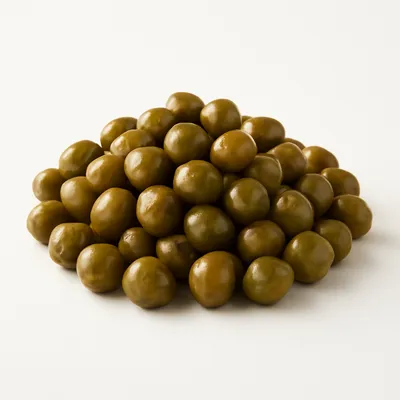
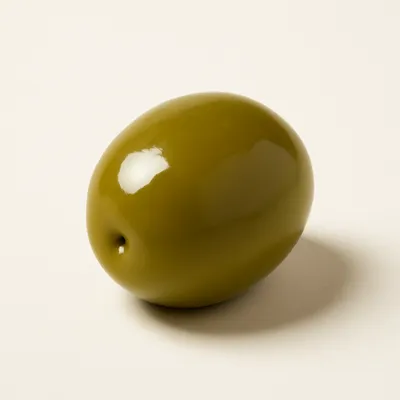
While chickpeas cook, prep garnish components: tear 300 g day-old country bread or baguette into 3-cm cubes. Hard-poach or soft-poach 4 eggs (soft-poached is traditional). Flake 100 g oil-packed tuna. Have ready: 2 tbsp capers, 12 black olives, 1 lemon cut in wedges, 4 tbsp olive oil, 4 tsp harissa, chopped parsley.
- 56 min
Spice the broth: add 4 finely chopped garlic, 1 tbsp ground cumin, 1 tsp paprika, 1 tsp salt (adjust), ½ tsp pepper. Simmer 5 min for flavors to meld.
Watch outStir the raw garlic and cumin in near the end and simmer just five minutes — boiled long, the garlic loses its edge and the cumin goes flat.
- 62 min
Assembly per bowl: place a handful of torn bread cubes in the bottom. Ladle hot chickpeas + plenty of broth over the bread — bread should soak.
Watch outLadle the hot chickpeas and plenty of broth over the bread so the cubes soak right through — dry bread underneath means a thin bowl.
- 73 min
Top each bowl with: 1 poached egg, 1 tbsp flaked tuna, ½ tsp harissa stirred in, drizzle of olive oil, squeeze of lemon, 1 tbsp capers, 3 olives, sprinkle of chopped parsley.
- 82 min
Diners stir the harissa into the broth and break the egg yolk over the bread. Eat hot with a spoon.


