A soft, round griddle-cooked leavened flatbread — in the matlouh tradition — split and filled with a turmeric-spiced omelette, tuna or sautéed meat, harissa, slata méchouia and melted cheese, then pressed on the griddle a second time. The Mahdia variant seals the filling inside the raw dough before cooking, forming a calzone-like turnover.


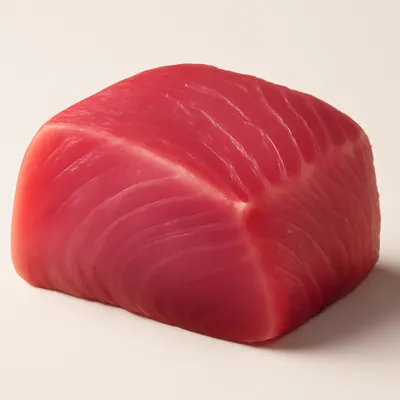

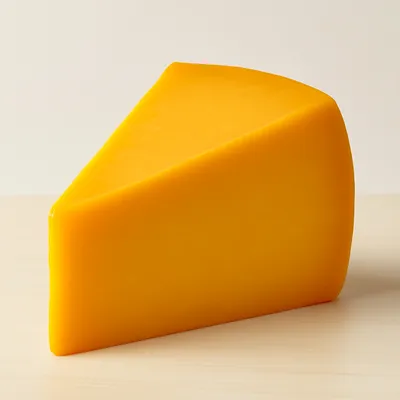
The Tunisian chapati takes its name from the Indian flatbread term, most likely through Mediterranean commercial and linguistic networks of the late 19th and early 20th centuries, though the bread bears no resemblance to its namesake: the Tunisian version is leavened, thicker and softer, belonging to the matlouh and batbouth round-bread tradition widespread across the Maghreb. As a filled street-food sandwich format it proliferated from the mid-20th century in Tunis and the coastal cities. French-language Tunisian media describe it as a genuine social phenomenon, found equally in fast-food stalls, family kitchens and upscale sandwicheries, and compare its everyday ubiquity to that of the croque-monsieur in France. The Mahdia variant — a sealed, calzone-like turnover griddled before cutting — is a recognized regional specialty of the Sahel coast, distinguished by a stickier dough and sealed filling.
The soft, lightly charred bread yields like a pillow; inside, runny egg yolk meets molten cheese and the lingering smokiness of méchouia, then a sharp slash of harissa heat — an entire café breakfast folded into one round.
The matlouh-style dough cooks on a dry skillet at 180–200°C: rapid surface evaporation sets a skin within 90 seconds, while CO₂ from yeast fermentation inflates interior gas cells, producing the bread's characteristically soft internal structure. When the filled sandwich returns to the skillet, contact heat melts cheese above 55°C via fat liquefaction, re-crisps the exterior through the Maillard reaction, and drives residual moisture outward, compressing the filling layers into a cohesive unit. Pressing with a spatula accelerates heat transfer and ensures even browning.
Variations
The Mahdia calzone variant seals filling inside the raw dough before griddling. A Sfax version adds fresh parsley and local cured olives. A Djerba version features harissa-marinated roasted vegetables with Berber flavor influences. Meat fillings range from veal or turkey escalope to chicken strips; tuna-and-omelette is the most widespread combination.
On the Palate
Where Chapati Tunisien sits in the Tunisian flavor cloud
Ingredients
Serves 4


How it's made
7 steps · 30 min
- 155 min
Combine flour, semolina, salt, yeast and oil with warm water; knead 8 minutes to a soft dough; proof 45–60 minutes.
- 215 min
Divide into 4 balls; press each into a 1cm-thick disk; cook on a dry medium-high skillet 4–5 minutes per side until charred in spots.
Watch outCook the discs on a dry skillet four to five minutes a side until charred in spots — the fast surface set traps the fermentation gas inside for a soft crumb; too low a heat and it dries out flat.
- 35 min
Pierce each cooked bread with a fork to release steam; rest briefly.
- 48 min
Beat egg with diced onion and parsley; cook in a lightly oiled pan as a thin folded omelette.
- 55 min
Quickly sear seasoned thin-cut meat or crumble drained tuna in the same pan, 1–2 minutes.
- 65 min
Split the bread, spread harissa on both inner faces; layer omelette, meat or tuna, slata méchouia and cheese inside.
- 75 min
Return the filled sandwich to the skillet; press and cook 2–3 minutes until cheese melts and exterior crisps.
Watch outPress the filled sandwich back on the skillet until the cheese melts and the outside re-crisps — the contact heat melts the cheese and drives moisture out, binding the layers into one.
Archive tool suggestions — not reviewed
These legacy suggestions have not been evidence-reviewed and are not presented as required tools.


