
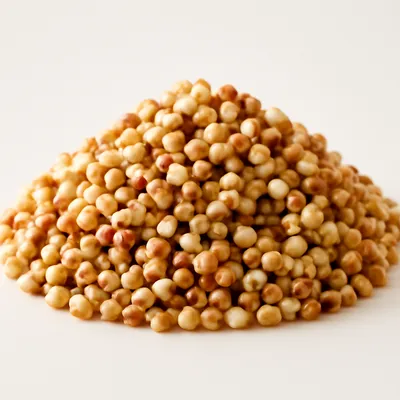
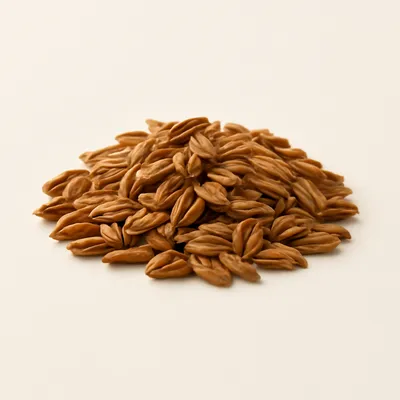
Thalipeeth is a rustic, savoury multigrain flatbread from Maharashtra, made from bhajani — a blend of roasted grains and lentils such as jowar (sorghum), bajra (pearl millet), rice, wheat, chana and urad, ground together with coriander and cumin. The flour is kneaded with chopped onion, fresh coriander, green chili and spices, then patted flat by hand directly on a griddle or a wet cloth, with a small hole made in the centre, and shallow-fried in oil or ghee until set and lightly crisp. Because the bhajani is largely gluten-free, the dough cannot be rolled and must be pressed out with the palm, which gives thalipeeth its thick, irregular, hand-shaped look. It is a filling everyday breakfast across rural Maharashtra, eaten hot with a knob of white butter, ghee, curd, or a fiery thecha or pickle.




Thalipeeth is a traditional home and farm food of Maharashtra, especially the inland Desh districts of Kolhapur, Satara, Sangli and Pune, where it has long fed field workers needing a dense, slow-burning meal. Its name is descriptive of the method rather than commemorative: in Marathi 'thali' means a plate and 'peeth' means flour (from the Sanskrit pishta, 'ground'), reflecting how the soft dough is pressed flat by hand on a plate or griddle. The roasted-grain flour at its heart, bhajani, is mixed and stored by households in their own proportions, so no single recipe, inventor or date is recorded; thalipeeth is documented purely as an old regional staple, valued for using up mixed grains and for keeping a worker full through a long morning.
A thick, hand-shaped disc with a coarse, nutty crumb and a thin, lightly crisp crust where it met the hot griddle, the surface freckled with onion and flecks of green coriander. The flavour is deep and toasty from the roasted millet and lentil flours, with the sweetness of soft onion, the bite of green chili and the warmth of cumin and coriander seed. It eats dense and grainy rather than fluffy, and a cold knob of white butter melting into the hot bread, or a spoon of cool curd alongside, balances the heat and the earthiness.
Thalipeeth is shaped the way it is precisely because bhajani has almost no gluten. Roasting the grains and lentils before milling deepens flavour through the Maillard reaction and gelatinises some surface starch, but it also means there is no stretchy gluten network to roll or fold; the only way to form the dough is to wet the hands and pat it thin on the surface. The hole pressed in the centre and the small perforations across the disc let heat and steam pass through the thick, gluten-free dough so the middle cooks before the underside scorches. Cooking on a moderately hot griddle with a film of oil sets the starch and toasts the surface to a crust, while the dense, low-gluten crumb stays soft inside and gives the bread its characteristic heft.
Variations
Bhajani blends differ from family to family — more jowar and bajra in the millet belt, more rice on the coast, with chana and urad for body — and a quick everyday version skips the roasted blend for plain jowar or rice flour mixed with wheat. Some cooks pat the dough on a greased plastic sheet or banana leaf and slide it onto the griddle, others shape it straight on the tava. The seasonings flex with grated bottle gourd, cabbage, fenugreek leaves or sesame, and a sweetish version exists too. Thalipeeth belongs to the same Maharashtrian griddle-bread family as bhakri, and is almost always finished with white butter, ghee, curd or thecha.
On the Palate
Where Thalipeeth sits in the Indian flavor cloud
Ingredients
Serves 4

How it's made
7 steps · 15 min
- 15 min
In a large bowl, combine bhajani flour with chopped onion, fresh coriander, green chili, cumin, turmeric, sesame seeds and salt.
- 26 min
Add water a little at a time and knead into a soft, pliable dough; rest it briefly.
- 33 min
Wet your palm, take a ball of dough and pat it out thin and round directly on a greased griddle or on a wet cloth or sheet.
Watch outWet your palm and pat the dough thin directly on the surface — bhajani has almost no gluten, so there's no stretchy dough to roll; patting is the only way to shape it.
- 41 min
Make a small hole in the centre and a few perforations across the disc.
Watch outPress a hole in the center and a few holes across — they let heat and steam through the thick gluten-free disc so the middle cooks before the underside scorches.
- 52 min
If patted on a cloth, invert it onto a hot greased griddle; drizzle oil or ghee around the edges and into the centre hole.
- 67 min
Cook on medium heat, covered, then flip and cook the other side until both sides are set with golden crisp spots.
- 71 min
Serve hot with white butter, ghee, curd or thecha.
Archive tool suggestions — not reviewed
These legacy suggestions have not been evidence-reviewed and are not presented as required tools.


