


The name Qabooli derives from the Urdu word for 'acceptance.' Its roots lie in the Deccan's layered-rice tradition, which drew Persian and Central Asian pilaf techniques into the region under the Bahmani Sultanate (1347–1518) and was further elaborated by the Qutb Shahi dynasty (1518–1687) at Golconda, where the dum sealed-pot method took hold. Qabooli is a pre-eminent meatless rice of Hyderabadi cuisine; by tradition it is reckoned among the older Deccani court rice dishes, said to predate the meat biryani. Under the Nizams it was served at Muharram observances and at festive dastarkhwans alongside mirchi ka salan.
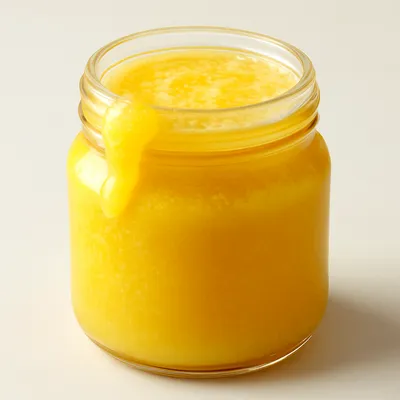
A spoonful yields soft-edged split peas beside long-grain rice that holds its shape; saffron and rose water announce themselves as a floral wave, followed by the sweet crunch of fried onion and the warm, rich undertow of ghee.
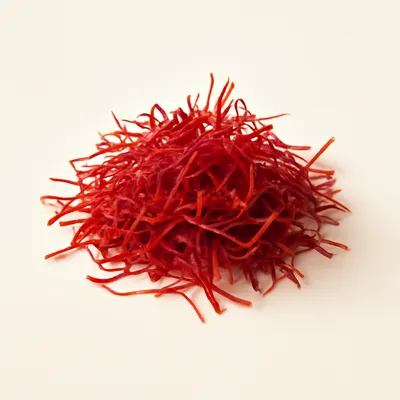
The dum method traps steam inside a sealed vessel, circulating moisture evenly so that 70%-cooked rice and dal finish together without turning mushy — rice starch gelatinizes fully at 95–100°C while the sealed environment prevents moisture loss. Saffron's crocin, a water-soluble carotenoid pigment, dissolves in warm milk and migrates with steam into each grain, tinting the rice gold; safranal, a volatile aldehyde, perfumes the sealed chamber. Chana dal starch, fully gelatinized in the par-cooking stage, continues to absorb the spiced masala during dum, achieving even flavour penetration from the outside in. Fried onion birista, caramelized past 150°C, yields pyrazine and furanone compounds via Maillard reaction, contributing sweet-bitter complexity that ties the layers together.
Variations
Some families use whole kabuli chickpeas instead of split dal for a firmer, more toothsome texture; a version with red lentils (masoor dal) is lighter and quicker to prepare; modern households often layer in fried cashews and raisins in the Nawabi style; restaurant versions occasionally add paneer cubes alongside the dal for extra richness.
On the Palate
Where Qabooli sits in the Indian flavor cloud
Ingredients
Serves 6


How it's made
8 steps · 2 hours 30 min
- 130 min
Soak basmati rice for 30 minutes; soak chana dal separately for 2 hours; drain both thoroughly
- 220 min
Par-boil chana dal in lightly salted water with a pinch of turmeric until 70% cooked, tender on the outside but still holding its shape; drain
Watch outPar-boil the dal to only 70% — tender outside but still holding shape; cook it soft now and it turns to mush in the dum.
- 312 min
Heat ghee in a heavy pot over medium heat; fry thinly sliced onions until deep golden-brown; remove half and set aside for layering and garnish
- 48 min
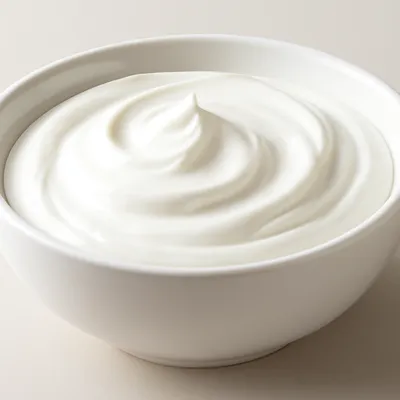
In the pot with remaining onions, add ginger-garlic paste, whole spices (cardamom, cloves, cinnamon), chilli powder, and beaten yoghurt; cook until ghee surfaces and the masala is fragrant
- 55 min
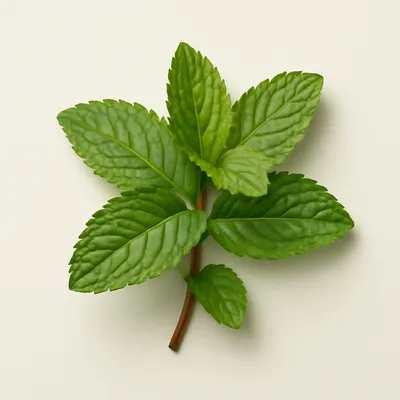
Fold par-cooked dal into the masala; add chopped tomatoes, mint, and coriander; cook 5 minutes; spread evenly as the base layer
- 68 min
Par-boil basmati in rapidly boiling salted water until 70% cooked, grains just flexible with a white core still visible; drain immediately
Watch outPull the rice at 70%, grains flexible with a white core still showing — fully cooked here and the finished biryani goes sticky and clumped.
- 75 min
Layer the par-cooked rice over the dal; scatter reserved fried onions; drizzle saffron-infused warm milk and rose water evenly over the rice surface
- 835 min
Seal the pot with a tight-fitting lid or a rope of dough along the rim; cook on the lowest possible heat for 25–30 minutes; rest off heat 10 minutes before gently turning to serve
Watch outSeal the lid tight and keep the heat as low as it goes — the trapped steam finishes it evenly; any leak or too-high flame scorches the base.
Archive tool suggestions — not reviewed
These legacy suggestions have not been evidence-reviewed and are not presented as required tools.


