Whole-wheat flatbread stuffed with finely grated raw cauliflower seasoned with fresh ginger, green chili, cumin seeds, and coriander, then cooked on a cast-iron tawa with generous ghee until golden-brown and crisped on both sides. One of the canonical trio of Punjabi stuffed parathas alongside potato and white-radish versions, gobhi paratha is a pillar of the dhaba breakfast culture of Punjab and is traditionally served with freshly churned white butter and cold salted lassi.




The Punjabi stuffed-paratha tradition predates Partition (1947) and was central to the agrarian Punjabi diet, where calorie-dense whole-wheat flatbreads sustained agricultural laborers through long field days. The stuffed-paratha trio — aloo, gobhi, and mooli — defined dhaba culture along Punjab's Grand Trunk Road, popularized by truck drivers and farmers who made these breakfasts into a nationwide institution. Cauliflower was introduced to India by British horticulturalists in the 19th century and rapidly naturalized in Punjab's cool-season winter agriculture, making it the third pillar of the breakfast paratha canon.
The ghee-crisped whole-wheat crust shatters at first bite into tender crumbs, releasing a plume of spiced cauliflower steam; white butter pools in the golden folds and adds a clean milky richness that tempers the ginger-and-chili heat.
The cast-iron tawa at 220–250°C drives Maillard browning on the dough surface while steam generated inside the sealed paratha gelatinizes the interior starch. Ghee's smoke point near 250°C allows rapid crust formation without burning. Finely grating rather than chopping the cauliflower maximizes surface area for seasoning absorption and distributes the filling evenly enough to roll the paratha thin without puncturing the dough; any excess moisture from the filling that vaporizes during cooking contributes to the internal steaming that keeps the crumb soft.
Variations
Mixed aloo-gobhi filling for added starchy heartiness; paneer-and-cauliflower version for extra protein; Amritsari-style uses a thinner dough and a more generous pour of ghee for a crispier result; some Punjabi households add dried fenugreek leaves to the filling for a bitter herbal note; contemporary restaurants often fold shredded paneer into the cauliflower mixture.
On the Palate
Where Gobhi Paratha sits in the Indian flavor cloud
Ingredients
Serves 4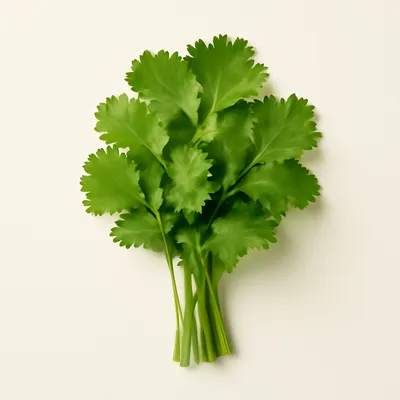

How it's made
8 steps · 30 min
- 125 min
Combine 2 cups whole-wheat flour with ½ tsp salt; add water gradually and knead 8–10 minutes until smooth and pliable. Cover with a damp cloth and rest 20 minutes.
- 28 min
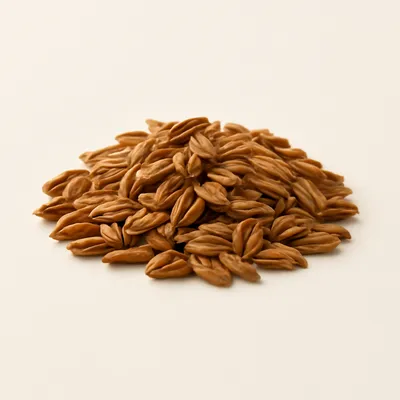
Grate a medium cauliflower head on the fine side of a box grater into a bowl; add 1 tsp grated ginger, 2 green chilies (minced), ½ tsp cumin seeds, a large handful of fresh coriander (chopped), and ½ tsp salt. Mix well.
- 35 min
Optional: toss the grated cauliflower with a pinch more salt, rest 5 minutes, then wring firmly in a clean kitchen cloth to squeeze out excess moisture before using as filling.
Watch outWring the grated cauliflower dry in a cloth before filling — that trapped water is what makes parathas tear and steam soggy when rolled.
- 48 min
Divide rested dough into 8 equal balls. Roll each ball into a 15 cm disc, mound 3–4 tbsp filling at the center, gather the dough edges up over the filling, and pinch tightly to seal.
- 55 min
Flatten each stuffed ball gently with your palm, then roll with even, rotating pressure into a 20 cm disc — work slowly to avoid tearing the dough.
- 64 min
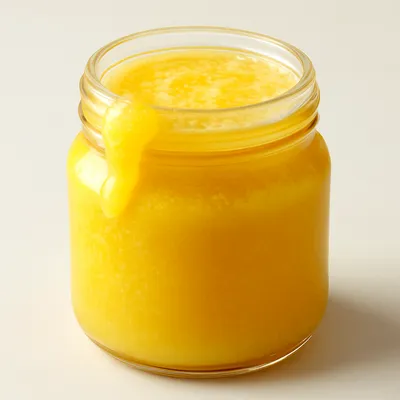
Heat a heavy tawa over medium-high. Lay a paratha on the dry pan; cook 2 minutes until small brown spots appear on the underside, then flip and apply 1 tsp ghee.
- 74 min
Cook 2 more minutes, flip again, apply ghee to the second side, and press firmly with a flat spatula so the whole surface contacts the hot pan; cook until deep golden-brown spots cover both sides.
Watch outPress firmly with the spatula so the whole face touches the hot tawa, cooking until deep golden spots cover both sides — that's crisp done, not pale and doughy.
- 81 min
Serve immediately topped with a knob of white butter, alongside mango pickle and a tall glass of cold salted lassi.
Archive tool suggestions — not reviewed
These legacy suggestions have not been evidence-reviewed and are not presented as required tools.


