Tunisian melt-in-mouth shortbread made by hand from flour, powdered sugar, and clarified butter or olive oil; slow-baked at 150°C into pale, fragile rounds that shatter at first bite. Three distinct flour types — bidha (wheat), droô (sorghum), and homs (chickpea) — each carry a different aroma and colour. Served with tea at Eid al-Fitr and family gatherings.
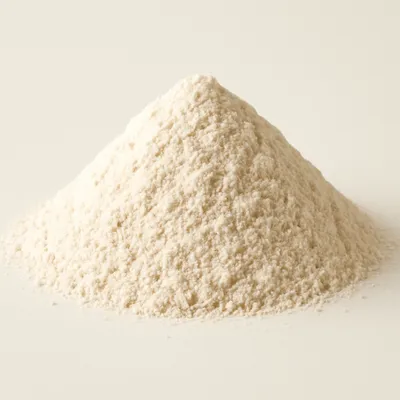

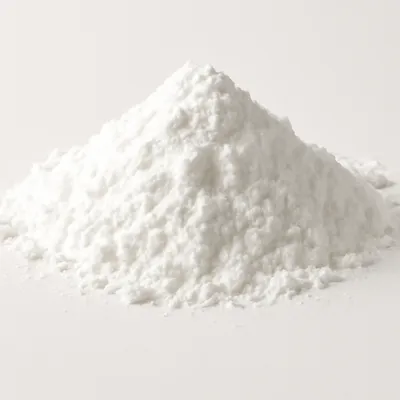
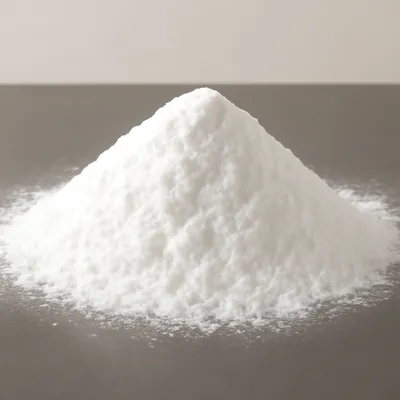


A shortbread called 'exotic cookie' (khushkānānaj gharīb) appears in the 10th-century Arab culinary compendium Kitab al-Tabikh, and an identical preparation made from equal parts butter, sugar, and flour is documented in the 14th-century Egyptian text Wasf al-at'ima al-mu'tada. The Ottoman kurabiye of the 15th century belongs to the same lineage. Tunisia developed three flour-defined types — bidha (wheat, white and delicate), droô (sorghum, earthier and darker), and homs (chickpea, nutty) — each preserving a distinct regional grain tradition. Families bake in large batches at the communal neighbourhood oven before Eid al-Fitr; the finished cookies keep for up to two weeks without losing their texture.
Dissolves on the palate with almost no chewing required; the chickpea version is nuttier and slightly golden, sorghum adds a faint earthiness, and the wheat version is the mildest and most delicate. All three are subtly sweet with a short, clean finish perfect alongside tea.
Chickpea and sorghum flours contain little or no gluten. Combined with a high proportion of clarified butter or olive oil, the fat coats each starch granule and physically prevents any gluten network from forming; even the wheat version is rendered gluten-poor by the high fat ratio. Slow baking at 150°C without preheating evaporates moisture gradually with minimal Maillard reaction, keeping cookies pale and uniformly friable. The hand-striking technique — slapping the dough between palms during kneading — compresses fat-coated particles evenly so the cookie holds shape in the oven, then shatters the moment it meets the palate.
Variations
The three Tunisian types — bidha (wheat), droô (sorghum), and homs (chickpea) — each have their own adherents and regional strongholds. Some recipes add sesame seeds or chopped almonds to the dough; festive versions are dusted with powdered sugar after baking, or a single pistachio is pressed into the centre before baking as decoration.
On the Palate
Where Ghraiba sits in the Tunisian flavor cloud
Ingredients
Serves 8How it's made
7 steps · 10 min
- 15 min
If using sorghum or chickpea flour, toast in a dry pan over low heat for 3–5 minutes until fragrant; cool completely before proceeding.
- 23 min
Sift flour, cornstarch, and powdered sugar together into a wide bowl.
- 35 min
Melt clarified butter and pour over the dry ingredients; work with fingertips until a sandy, cohesive mass forms.
- 415 min
Knead by hand for 10–15 minutes, occasionally slapping the dough firmly between palms to compress and even out the fat distribution.
Watch outKnead 10-15 minutes, slapping the dough between your palms to spread the fat evenly — uneven fat and the cookie won't hold its shape in the oven.
- 510 min
Pinch off walnut-sized portions, roll each into a ball, and press gently to about 1.5 cm thickness on a parchment-lined baking sheet.
- 645 min
Place in a cold oven, set the temperature to 150°C, and bake for 40–45 minutes until pale gold and set; do not allow browning.
Watch outBake low at 150 degrees and never let it brown — these should set pale gold; any color means overbaked and they lose that shatter-soft crumb.
- 710 min
Leave to cool completely on the tray before handling — the cookies are extremely fragile until cold.
Archive tool suggestions — not reviewed
These legacy suggestions have not been evidence-reviewed and are not presented as required tools.

