
A chilled Afghan dried-fruit compote eaten at Eid and summer breakfasts — dried apricots, golden raisins, dried figs, slivered almonds, and walnut halves soaked overnight in lightly-sweetened cold water perfumed with rose water and a knob of cardamom. Eaten cold with a spoon, the fruit plump and tender, the syrup thin but intensely flavored.

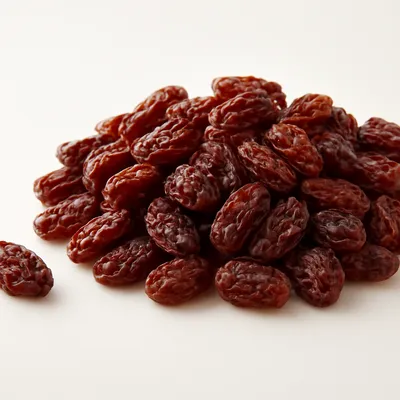

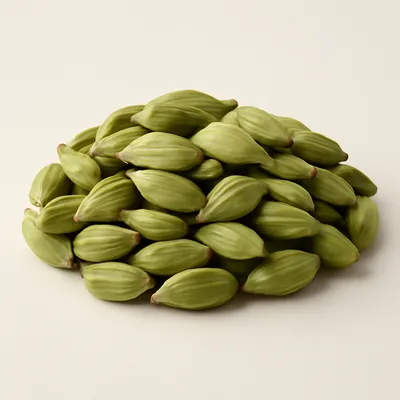
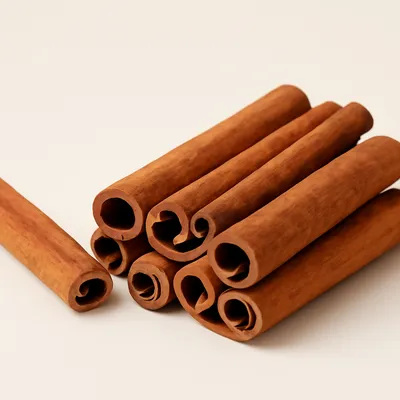

An ancient pan-Islamic dessert tradition. The word khoshaf comes from the Persian khosh-ab, meaning 'good/pleasant water'; it passed into Turkish (hoşaf) and Arabic, and steeped (uncooked) dried-fruit versions are recorded in medieval Arab cookbooks — a 14th-century Egyptian manuscript describes apricots simply steeped, not boiled, in sweetened water. The Afghan version keeps that original soak-don't-cook simplicity. In Herat it is the canonical Eid al-Fitr breakfast dessert: after a month of Ramadan fasting, the cold, sweet, hydrating compote is the first thing eaten before the heavy meals. Also served year-round at summer family gatherings. The 'soak overnight' rule is non-negotiable — shorter soaks leave the fruit chewy and the syrup weak. It is a close cousin of haft mewa, the Nowruz 'seven fruits' version.
Cold spoonful, completely refreshing. Each piece of fruit is rehydrated to its original plump shape — apricot soft and tart, fig deeply sweet with crunchy seeds, raisin tender and concentrated. The nuts are slightly softened but still crunchy. The syrup itself is the surprise: light, complex, with a cardamom-cinnamon backbone and a floral rose-water top note. No cream, no eggs, no heavy fat. The lightest possible end to a heavy meal, the best breakfast on a hot day.
Cold soaking (not hot) is the secret — it slowly rehydrates the fruit while drawing concentrated fruit sugars OUT into the surrounding water, creating the syrup naturally without cooking. Hot soaking would extract bitter tannins from the dried fruit skins and lose the fresh aromatic compounds. The 12-24-hour timeline allows osmotic equilibrium: the fruit becomes plump and the water becomes syrup. Rose water is added last because its volatile floral compounds would dissipate during the long soak; it's the final perfume that hits the nose at serving.
Variations
Herati classical (apricot + fig + raisin + prune + almond + walnut + cardamom + cinnamon + rose water); a Damascene version adds dried apple rings and rose petals; some Iranian households add dried mulberries; modern Eid version layers the chilled khoshaf with whipped cream and crushed pistachios in tall glasses; a winter variant uses warm soak and serves the compote hot like a fruit tea.
On the Palate
Where Khoshaf sits in the Afghan flavor cloud
Ingredients
Serves 6


How it's made
8 steps · 30 min
- 13 min
Rinse dried fruit briefly under cool water: 1 cup dried apricots, 1/2 cup golden raisins, 1/2 cup dried figs, 1/4 cup pitted prunes.
- 21 min
Place fruit in a large heatproof bowl.
- 32 min
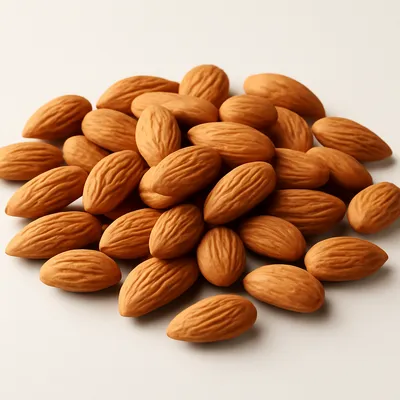
Add 1/3 cup sugar (adjust to taste; if your dried fruit is very sweet, use less). Add 1/2 cup walnut halves and 1/2 cup slivered almonds.
- 41 min
Drop in 4 lightly-crushed green cardamom pods, 1 cinnamon stick, and the peel strips of 1 lemon (no pith).
- 51 min
Pour over 1 liter cold water. The fruit will float; gently push down with a spoon.
Watch outThe dried fruit floats — press it fully under the water so every piece rehydrates evenly instead of drying hard on top.
- 6720 min
Stir to dissolve the sugar. Cover bowl. Refrigerate at least 12 hours, ideally 18-24 hours. The fruit will swell, the syrup will turn pale amber.
Watch outSoak cold in the fridge, never hot: the water slowly turns pale amber and the fruit plumps — that amber is the syrup drawing itself out.
- 71 min
Just before serving, stir in 1 tbsp rose water (added at the end so the floral oils don't dissipate during the long soak).
Watch outStir the rose water in only at the very end — add it early and its perfume soaks away over the long chill, leaving the syrup flat.
- 82 min
Ladle into individual bowls or cups — make sure each portion gets a mix of fruit + nuts + syrup. Optional garnish: a few pomegranate seeds or a scatter of chopped pistachios on top.
Archive tool suggestions — not reviewed
These legacy suggestions have not been evidence-reviewed and are not presented as required tools.


