
A potato-stuffed version of the classic Afghan stuffed flatbread — thin wheat dough folded around a filling of mashed potato, scallion, cilantro, and warm spices, then dry-pan-fried until both sides are blistered gold and the inside is fragrant and soft. Served with mint-yogurt or cilantro-chutney for dipping. Street food, lunch, or part of a mezze spread.


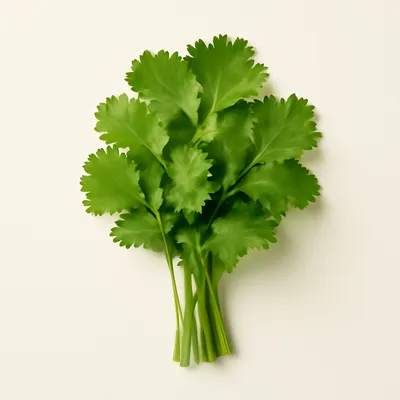
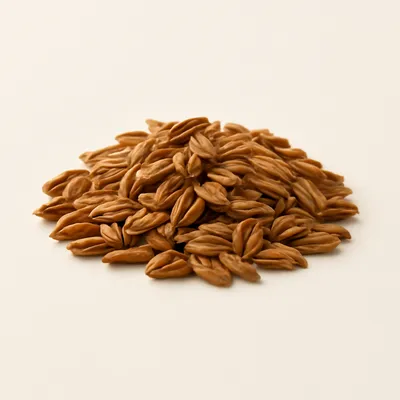

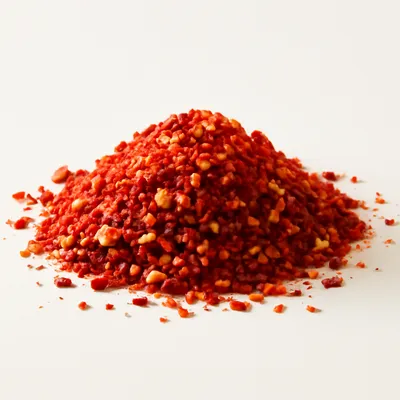
Bolani is a long-standing Afghan flatbread that almost every household makes, with fillings that shift by region and season: leek (gandana) in spring, pumpkin in autumn, lentil in winter. The potato version is the most common of all. Potatoes actually arrived in Afghanistan fairly late — they were sent into Kabul via the British on the Indian frontier in the 19th century, in the reign of Dost Mohammad Khan on the eve of the First Anglo-Afghan War; at first treated as a strange foreign crop, they only took root as an Afghan staple by the early 20th century. Today, in Kabul and Herat alike, bolani kachalu is everyday street food, pan-fried fresh from carts and bus-stop kiosks, wrapped in paper with a small cup of yogurt dipping sauce.
Crack through the blistered crisp shell into hot soft potato filling — earthy from cumin and turmeric, herbaceous from scallion and cilantro, a low hum of chili underneath. The dough is thin enough that you taste mostly filling, plus the toasted-flour note the pan-fry leaves behind. A bite of mint-garlic yogurt, cool and tangy, cuts the chili and the richness. Two wedges and you're full. Best the moment it leaves the pan — it loses its edge once the heat is gone.
Dry-pan-frying in a thin film of oil (not deep-frying) is the canonical Afghan technique — it builds blistered Maillard browning without sogginess or grease. The thin dough cooks through in the same time the surface chars. The potato is boiled and mashed first, which makes a stickier filling than raw and seals the folded half-moon so it won't split; the filling is cooled until no longer hot before assembly, so it doesn't soften the raw dough. A final thin brush of oil adds gloss and the look of richness without the heaviness of fried bread.
Variations
Potato is the most common filling; the spring leek (gandana) version is regarded as the more traditional one; autumn brings a sweet-spiced pumpkin filling; winter a lentil one. Some cooks add grated cheese to the potato for a softer, stretchier bite; a few Kabul cafes finish with a brush of garlic butter for a richer result. The dough contains no dairy, so bolani is vegan by default.
On the Palate
Where Bolani Kachalu sits in the Afghan flavor cloud
Ingredients
Serves 4






How it's made
8 steps · 1 hour active + 30 min waiting
- 140 min
Make dough: in a large bowl combine 3 cups all-purpose flour, 1 tsp salt, 1 tbsp oil, and 1 cup warm water. Mix to a soft dough; knead 8 minutes until smooth. Rest covered 30 minutes.
- 222 min
Filling: boil 3 medium potatoes (peeled and quartered) in salted water 20 minutes until fork-tender. Drain and mash coarsely.
Watch outBoil the potatoes until a fork slides straight through — undercooked they won't mash smooth and the filling stays lumpy.
- 36 min
In a bowl combine the mashed potato with 1/2 cup finely-chopped scallions, 1/3 cup finely-chopped cilantro, 1 tsp ground cumin, 1 tsp ground coriander, 1/2 tsp turmeric, 1/2 tsp chili flakes, 1 tsp salt, 1/4 tsp black pepper, and 1 tbsp oil. Mix well. Let cool to room temperature.
- 48 min
Divide dough into 4 portions. Roll each into a 20 cm circle on a floured surface, as thin as possible without tearing.
- 55 min
Place 1/4 of the filling on one half of each dough circle, leaving a 1 cm border. Spread evenly with a spoon. Fold the other half over to make a half-moon. Press edges firmly to seal (use a fork to crimp if needed).
Watch outPress the edge shut hard all the way around — any gap and the filling leaks and the bolani splits open in the pan.
- 68 min
Heat a wide dry non-stick or cast-iron skillet over medium-low. Place one bolani in the dry pan. Cook 4 minutes per side until deeply blistered gold and the inside feels firm to the touch.
Watch outCook it in a dry pan, no oil in the pan — you want deep golden blisters on the surface, not a greasy fried crust.
- 72 min
Brush each finished bolani with a thin coating of oil on both sides after cooking (this is the Afghan finish — not deep fried, just oil-glossed). Repeat with remaining.
- 83 min
Cut each bolani into wedges. Serve hot with mint-yogurt sauce (1 cup yogurt + 1 minced garlic + 1 tsp dried mint + a pinch of salt) or cilantro chutney.
Archive tool suggestions — not reviewed
These legacy suggestions have not been evidence-reviewed and are not presented as required tools.
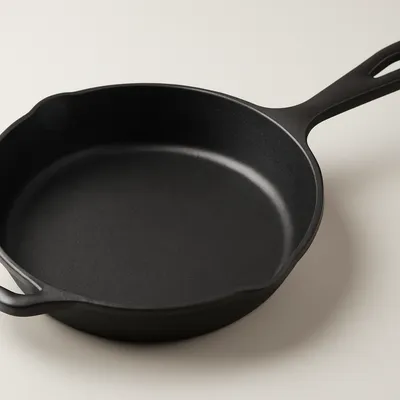
A heavy, single-piece cast iron pan, 25-30 cm across, weighing 1.5-2.5 kg. Once preheated, the thick mass holds 230°C+ even when a cold steak hits the surface — that's the secret to a deep crust. A well-seasoned skillet (multiple thin layers of polymerized oil baked into the iron) is essentially nonstick, gets better with use, and lasts a century. Lodge skillets from Tennessee have been in continuous production since 1896.

Cylindrical wooden, marble, or silicone roller for flattening dough — pie crust, pasta, dumpling skins, naan, tortilla, pizza. French-style is tapered (no handles, the cook holds the wood itself); American-style has fixed handles with rotating barrel; marble pins stay cool for laminated doughs (croissant, puff pastry). The right pin depends on the dough's stickiness and lamination needs.

Round metal pot, 14-26 cm diameter, with vertical walls and a long handle, designed for sauces, soups, oatmeal, rice, boiled vegetables. The vertical walls minimize evaporation (vs. a sauté pan). Sizes: 1 qt for melting butter, 2-3 qt for sauces, 4 qt for soups. Stainless-steel-clad aluminum or copper is best for conduction; cast-iron is too thick for delicate sauces.


