
Herati / Western-Afghan leek dumplings — handmade wheat wrappers filled with chopped leek and green onion, boiled, then doused with garlic-yogurt sauce on the bottom, lamb-and-yellow-split-pea sauce on top, finished with dried mint and chili oil. Distinguished from Kabuli mantu by the leek filling (vegetarian-leaning).



Aushak is one of Afghanistan's signature dumplings, especially common on the hospitality and festive tables of cities like Kabul and Herat. It belongs to the tradition where Persian pilaf cooking meets Central Asian steamed dumplings (such as mantu): like mantu it is a filled pasta wrapper served under yogurt and meat sauce, but it sets itself apart by being filled with leek (gandana/scallion) and boiled rather than steamed. Gandana, the leek used for the filling, is grown in nearly every province of Afghanistan; it is the vegetable filling that makes aushak the lighter sibling to the meat-filled mantu. Because the dumplings are labor-intensive — families gather to roll, fill, and pleat them — aushak is reserved for holidays and special gatherings, a centerpiece of Afghan hospitality.
Aushak is the lighter, vegetable-forward cousin to mantu. First bite: thin tender wrapper gives way to mildly-sweet, herbal leek filling — softer than meat, more delicate. Bottom layer of garlic yogurt provides cooling tang; meat-and-split-pea qorma adds heartiness without overpowering leeks; chili oil adds bright top notes. Dried mint is the canonical aromatic. Three ashak per person is a starter; six is a full meal.
Aushak's three-layer assembly is the technical centerpiece — yogurt base, dumpling middle, meat-sauce top. The leek filling cooks lightly during the boil — leeks retain their slight crunch and sweet allium aroma. Wrappers are wider and thinner than mantu's, allowing the leek filling to spread thinly. Boiling (rather than steaming as in mantu) gives ashak a slightly different texture — looser, more delicate.
Variations
Common Afghan style (leek filling, often with split-pea added to the meat qorma); Kabul aushak adds extra scallions to the leek; Afghan-American versions sometimes substitute spinach for leek (less authentic); vegetarian aushak omits the meat qorma; the similarly-named Iranian 'aush' is actually a thick soup, not a boiled dumpling.
On the Palate
Where Aushak sits in the Afghan flavor cloud
Ingredients
Serves 4





How it's made
8 steps · 1 hour 20 min active + 1 hour 10 min waiting
- 142 min
Make dough: 400g flour + 1 tsp salt + 1 egg + 200ml warm water. Knead 10 min; rest 30 min.
- 214 min
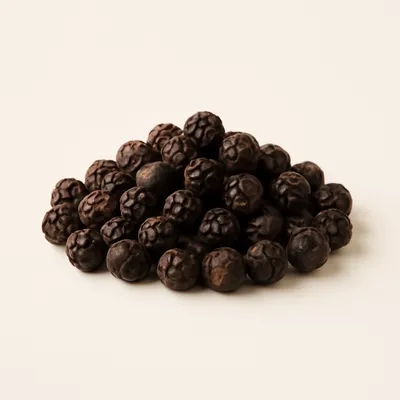
Prepare leek filling: chop 4 large cleaned leeks finely. Sauté in 2 tbsp oil 6-8 min until softened. Add 1 tsp salt + 1/2 tsp pepper + 1 tsp Kashmiri chili + 1 tsp cumin + 1/2 tsp turmeric. Mix in 2 cups chopped scallion + 1/4 cup cilantro. Cool.
- 350 min
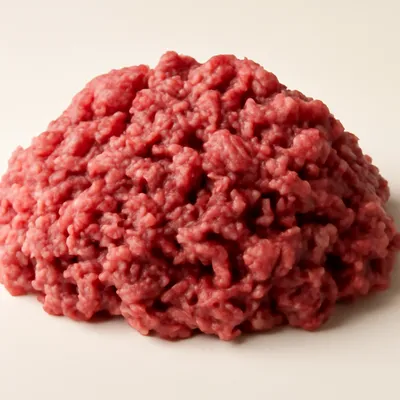
Make qorma: soak 100g yellow split peas 2 hours; drain. Sauté 1 chopped onion in 3 tbsp oil 8 min. Add 250g ground lamb; brown 6 min. Add 4 garlic + 1 tsp coriander + 1 tsp cumin + 1/2 tsp turmeric + 1 tsp paprika + 400g tomatoes + split peas + 200ml water + 1 tsp salt. Simmer 35 min.
- 44 min
Make garlic yogurt: whisk 500g Greek yogurt + 6 minced garlic + 1 tsp salt + 1 tsp dried mint.
- 52 min
Make chili oil: heat 3 tbsp oil + 1 tsp Kashmiri chili powder.
- 622 min
Roll wrappers paper-thin (1mm); cut into 9cm squares. Place 1 tbsp leek filling on center; pinch opposite corners together; seal completely.
Watch outThe wrapper should be thin enough to nearly see through; a fingertip of filling in the middle is plenty, then pinch shut.
- 77 min
Boil ashak in batches in salted water 5-7 min until they float and wrappers are translucent.
Watch outThe dumplings are done when they bob to the surface and the wrappers turn translucent — don't wait longer or they get soft.
- 83 min
Assemble: spread garlic yogurt on a platter; arrange boiled ashak on yogurt. Spoon qorma over each. Drizzle chili oil. Garnish with crumbled dried mint + cilantro + chili flakes.
Watch outSpread the garlic yogurt as the base first, sit the hot dumplings on it, then spoon the meat sauce and chili oil over.
Archive tool suggestions — not reviewed
These legacy suggestions have not been evidence-reviewed and are not presented as required tools.


