
Afghanistan's national dish — long-grain basmati rice steamed with lamb shanks, topped with caramelized julienned carrots, plump golden raisins, slivered almonds, and pistachios. The rice is colored by the lamb's caramelized fat and topped with sweet-fruit-nut garnish to create the canonical orange-gold mound.






Qabili Palaw is Afghanistan's national dish — the centerpiece of every formal Afghan meal, found at Kabul wedding halls, Eid feasts, and family Friday lunches. The name 'Qabili' is usually tied to Kabul: by one account this prestige rice was a dish only well-off Kabul families could afford, given the cost of caramelized carrots, plump raisins, and prized nuts; by another, the dish came from northern Afghanistan near Uzbekistan, kin to the Bukhari rice of Bukhara. 'Palaw' (cognate with Persian polow, Indian pulao, Uzbek/Tajik palov/plov) sits within the broader Central Asian rice-pilaf tradition. The defining technique is to par-boil the rice and then steam it over the meat in a browned-onion lamb stock until each grain is deeply orange-gold and separate. The sweet fruit-and-nut topping distinguishes Afghan palaw from Uzbek plov, which uses no raisins or cinnamon, is built on a zirvak (a meat-and-vegetable base layered beneath the rice), and folds its carrots into the rice rather than mounding them on top. Modern Afghan restaurants abroad make qabili palaw the centerpiece of their menus.
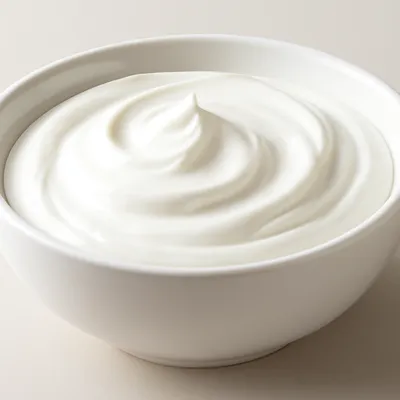
Qabili Palaw is Afghanistan in a single dish. First glance: a deep orange-gold rice mound topped with caramelized carrots, raisins, and slivered nuts. Take a forkful of rice: each grain is separate, perfumed with cardamom and saffron, with concentrated lamb-stock flavor. Then a bite of lamb shank, fork-tender. Sweet caramelized carrots add candy-like sweetness; raisins burst with concentrated grape-sugar; pistachios and almonds add crunch. A dollop of mint yogurt cools the palate. Afghan wedding-table magic.
Three technical pillars: (1) Bone-in lamb slow-braised releases collagen, marrow, and concentrated meat flavor into the stock, which becomes the rice's cooking liquid and gives both color and aroma. (2) Carrots are caramelized SEPARATELY with sugar — only dry heat develops Maillard browning AND caramelized sugar at once; this can't happen in the moist environment of the rice pot, so the topping is always cooked apart. (3) The pot is sealed for a final ~30-minute steam (dampokht, 'steam-cooked'), driving the lamb stock into each grain while the dry steam keeps the rice texturally separate.
Variations
Kabul canonical (lamb + carrots + raisins + almonds + pistachios); northern versions near Uzbekistan often use chicken; some cooks go lighter on the sweet topping, others add dried apricots or prunes for a tangier note; Afghan restaurants abroad serve giant combo platters; a vegetarian version uses chickpeas instead of lamb.
On the Palate
Where Qabili Palaw sits in the Afghan flavor cloud
Ingredients
Serves 6






How it's made
8 steps · 1 hour 10 min active + 1 hour 50 min waiting
- 18 min
Brown lamb shanks: in a heavy Dutch oven heat 6 tbsp neutral oil over high heat. Sear 4 lamb shanks (1.5kg total) on all sides until deeply browned, 8 min total. Transfer to a plate.
- 2110 min
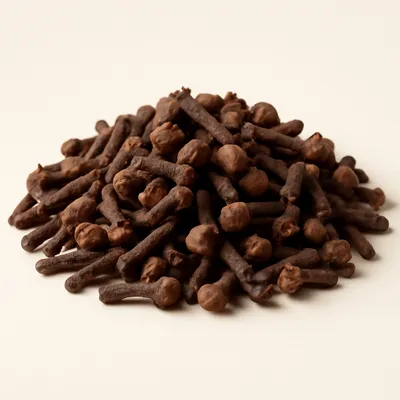
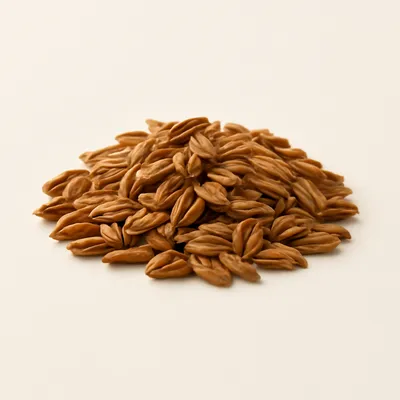
Add 3 sliced onions; cook 12 min until golden. Return the lamb to the pot. Add 8 garlic cloves, 4cm ginger, 4 green cardamom pods, 2 black cardamom pods, 1 cinnamon stick, 6 cloves, 1 tsp cumin seeds, 1 tsp coriander seeds, 1 tbsp salt, 1L water. Simmer covered 90 min until lamb is tender. Strain the stock; reserve 800ml. Reserve lamb covered.
Watch outBrown the lamb shanks hard on all sides until deeply colored — this crust is the backbone of the stock's flavor.
- 313 min
Caramelize carrots: julienne 4 large carrots. In a skillet heat 4 tbsp oil + 30g butter; add the carrots + 4 tbsp sugar + 1/2 tsp ground cardamom + 1/2 tsp ground cumin. Cook 12 min until caramelized golden-brown.
Watch outThe carrots are done when they're glossy, deep golden-brown and smell sweet-caramelized — not pale or merely softened.
- 416 min
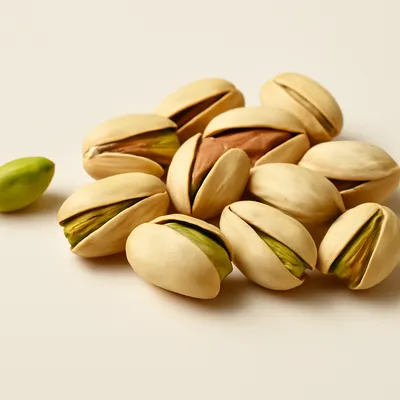
Plump 100g golden raisins in 100ml warm lamb stock for 15 min. Toast 50g slivered almonds + 50g pistachios 3 min until fragrant.
- 538 min
Rinse 800g basmati rice; soak 30 min; drain. Parboil in salted boiling water 5-6 min until 70% done. Drain immediately.
- 68 min
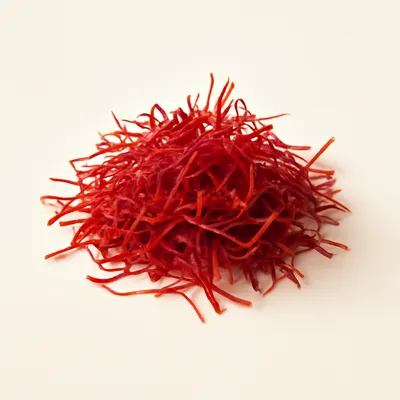
Assemble: in a heavy pot heat 4 tbsp oil + 2 tbsp butter. Add 1/2 tsp saffron + 1 tsp cardamom + 1/2 tsp cumin. Spread parboiled rice in the pot. Pour 800ml reserved stock evenly. Place the lamb shanks half-buried in the rice. Distribute caramelized carrots + raisins + half the nuts on top.
Watch outAfter 30 min steaming the grains should be tender, dry and separate, stained orange-gold by the stock — never wet or clumped.
- 745 min
Cover with a towel-wrapped lid. Cook on lowest heat 30 min. Turn off; rest covered 15 min.
- 85 min
Serve on a platter: mound rice, arrange lamb shanks on top, scatter remaining toppings. Accompany with Afghan salad (cucumber-tomato-cilantro), mint yogurt, pickled vegetables (turshi), Afghan naan.
Archive tool suggestions — not reviewed
These legacy suggestions have not been evidence-reviewed and are not presented as required tools.
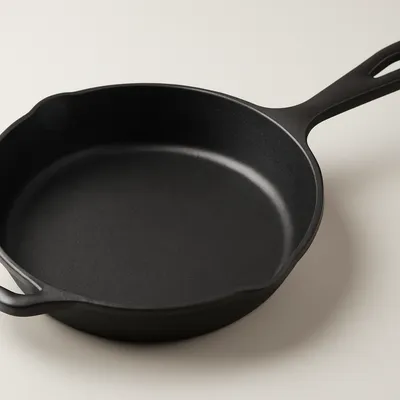
A heavy, single-piece cast iron pan, 25-30 cm across, weighing 1.5-2.5 kg. Once preheated, the thick mass holds 230°C+ even when a cold steak hits the surface — that's the secret to a deep crust. A well-seasoned skillet (multiple thin layers of polymerized oil baked into the iron) is essentially nonstick, gets better with use, and lasts a century. Lodge skillets from Tennessee have been in continuous production since 1896.

A heavy enameled or bare cast-iron lidded pot, 4-7 liters, with thick walls and a snug lid. The mass evens out hotspots; the lid traps moisture for braising. Sears on the stovetop, then transfers to a 150°C oven for 3-4 hours of even, contained heat — the structural difference between a beef bourguignon that comes out luminous and one that turns to gray mush. Le Creuset and Staub are the celebrated versions; an old American Wagner is functionally identical.


