
Dhaka beef-and-rice one-pot — small cubes of beef first cooked down into a thick mustard-oil-and-spice bhuna, then soaked short-grain aromatic rice added to the same pot to finish in the meat gravy, turmeric tinting it yellow and green chilies giving the heat. Cooked in ONE pot (not layered like biryani), with less ghee and simpler spicing — a faster, cheaper everyday dish. A Dhaka weekday-lunch and street-food staple, the workers' counterpart to feast-day kacchi biryani.




Tehari is Dhaka's working-class one-pot beef-and-rice, descended from the Awadhi (North Indian) vegetarian 'tehri' — a yellow rice-and-potato dish said to have been created so the Nawabs' vegetarian clerks could have a biryani of their own — which Dhaka remade with beef. It is distinct from biryani in being cooked in ONE step (beef bhuna'd first, then rice added to cook in the same gravy, not layered) and in using mustard oil, lots of green chili, smaller cubes of meat, less ghee and lighter spicing. Old Dhaka's 'Haji Biryani' (est. 1939) is the house credited with popularizing tehari and still keeps its old recipe; Hanif (Nazira Bazar) and Nanna (Lalbagh) are also famous, Nanna serving both kacchi and tehari. Modern Dhaka tehari uses beef (replacing pricier mutton) — beef tehari is the canonical urban version. It was historically also an early-morning meal for dock and factory workers, and is often eaten with a hard-boiled egg on top and a wedge of pickled lemon. (The name also appears as 'Tahiri', as recorded by Hakim Habibur Rahman in Dhaka Pachas Baras Pehle.)
Tehari is what Dhaka eats for lunch on an ordinary weekday. The first spoonful: yellow turmeric-tinted rice, fluffy and dry with each grain separate, small beef cubes nestled inside, scented with cumin and warm spices. The beef is spoon-tender. Less heavily spiced and less deeply colored than biryani — the heat comes almost entirely from green chili, direct and clean. A bite of hard-boiled egg adds richness; a squeeze of pickled lemon cuts the heat. Eat with raita and a glass of borhani. Old Dhaka in a bowl.
Tehari is a one-pot dish, and the key is bhuna first, rice second. Small beef cubes are fried down with mustard oil and spices into a thick curry ('bhuna'), breaking down collagen (and drawing out some marrow if bone-in). Soaked rice is then added straight to the same pot to absorb that liquid and flavor — liquid-to-rice ratio of about 1.5:1 is the safe target; too much produces mush, too little leaves the grain undercooked. The yellow color comes from turmeric (curcumin pigment, fat-soluble — so the oil/ghee can't be skimped). Green chilies go in late to keep their bright herbaceous heat; cooked too long, they turn dull.
Variations
Old Dhaka boneless-beef canonical (Haji/Hanif style); mutton tehari (more traditional, more expensive); chicken tehari (modern home version, lighter); Hilsa tehari (rare; Sundarbans river-fish version); Eid-special with extra ghee + saffron strands; modern restaurants often use a pressure cooker for speed. Tehari is generally street food — formal banquets serve kacchi biryani instead.
On the Palate
Where Tehari sits in the Bangladeshi flavor cloud
Bhuna the beef first — fry it down with the spices into a thick, oil-slicked curry — before the rice ever goes in, then add just enough liquid at about 1.5:1 so the drained rice cooks through in the same pot without turning to mush.
Ingredients
Serves 6







How it's made
9 steps · 50 min active + 40 min waiting
- 132 min
Cube 800g beef (chuck or shoulder) into 3cm pieces. In a large bowl mix beef with 3 tbsp ginger paste + 3 tbsp garlic paste + 200g yogurt + 1 tbsp turmeric + 1 tsp red chili powder + 2 tsp salt. Marinate 30 min.
- 213 min
Heat 100ml oil + 60g ghee in a heavy pot over medium-high. Add 3 sliced onions; fry 12 min until deep golden. Remove half for garnish.
- 39 min
Add the marinated beef to the remaining onions in the pot. Brown 8-10 min, stirring occasionally.
Watch outBrown the beef until the fat renders and a rich fond builds on the pot bottom — that browning is where the depth comes from.
- 438 min
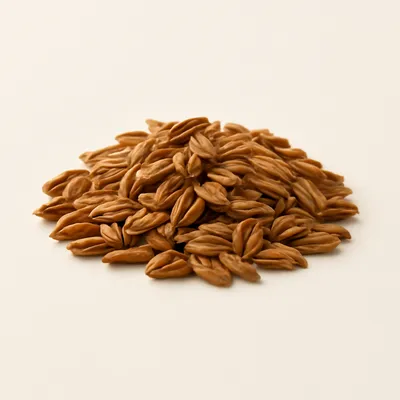
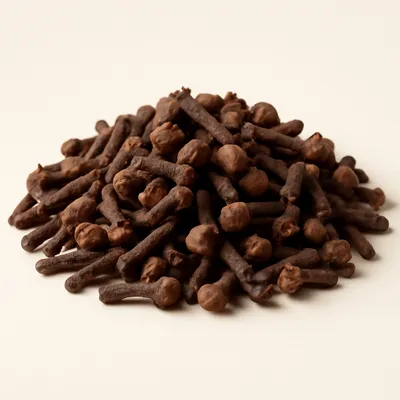
Add 1 tbsp cumin seeds + 4 green cardamoms (crushed) + 1 cinnamon stick + 4 cloves + 2 bay leaves + 2 tbsp tomato paste + 800ml hot water. Bring to a boil; reduce heat; cover; simmer 35-40 min until beef is tender.
- 54 min
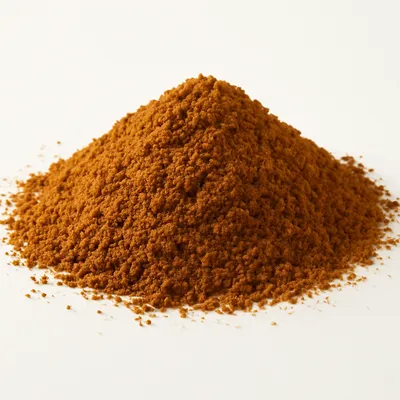
Wash 700g basmati rice; drain. Add to the pot with the beef. Stir gently to combine. Add 4 split green chilies + 2 tbsp ghee + 1 tsp garam masala + adjust salt.
- 61 min
The liquid should be just barely covering the rice (~1cm above). If needed, add boiling water.
Watch outThe liquid should sit just about 1cm above the rice before you seal the lid — no more, or it turns to mush.
- 721 min
Cover tightly; cook over very low heat 20-22 min until rice is fluffy and all liquid absorbed.
- 810 min
Turn off heat; let stand covered 10 min (essential for rice texture). Then gently fluff with a fork.
Watch outLet it rest covered a full 10 min off the heat before fluffing — this is what sets the grain texture.
- 93 min
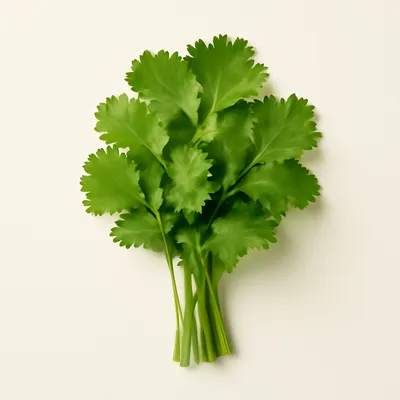
Serve: scoop a portion onto each plate. Top with the reserved fried onions + 1 hard-boiled egg (halved) + 2 tbsp chopped fresh coriander + a wedge of lemon-pickle. Pair with raita or simple cucumber salad.
Archive tool suggestions — not reviewed
These legacy suggestions have not been evidence-reviewed and are not presented as required tools.


