
Old Dhaka raw-cook mutton biryani — marinated mutton placed RAW under partially-cooked basmati rice in a sealed pot, then dum-cooked over very low heat for 2-3 hours so the mutton juices steam upward and infuse the rice. The result is rice the color of pale gold flecked with saffron, mutton meltingly tender on the bone, infused with kewra, rosewater, and mace. The Old Dhaka wedding centerpiece, descendant of Mughal Awadhi biryani, refined into something uniquely Bengali.
Kacchi Biryani descends from the Mughal court's Awadhi (Lucknow) kitchens. When the Mughals made Dhaka the provincial capital of Bengal in 1610, officials arriving from Awadh brought their bawarchis (cooks) and the dum technique of cooking raw meat and raw rice together, sealed in a single pot. Tellingly, while Lucknow later drifted toward Pakki (meat cooked separately first), Dhaka preserved the 17th-century raw 'kacchi' method almost intact — a culinary fossil of old Awadhi technique. The Dhaka version differs from Indian biryanis by: (1) NO meat browning before layering — the mutton goes raw into the pot ('kacchi' means 'raw'); (2) a distinctly FLORAL aromatic profile — generous kewra water (screwpine extract), rose water, and a touch of mitha attar (sweet perfume essence), far more perfumed than Hyderabadi versions; (3) the potato is considered the essential heart of a Dhakai kacchi, along with dried plum (aloo bukhara) and golden raisins whose tartness cuts the mutton's richness; (4) traditional charcoal cooking with hot coals placed ON TOP of the sealed lid for top-down, oven-like heat. Bengali weddings are not Bengali weddings without Kacchi. (Note: Old Dhaka's famous 'Haji Biryani' on Kazi Alauddin Road, running since 1939, is often cited as a Dhaka landmark, but it is a distinct style closer to tehari — chevon/goat, not the raw-cooked kacchi — and should not be conflated with it.)
A plate of Hajir-style Kacchi Biryani is the most ambitious dish in Bengali cuisine. The rice is pale gold, each grain separate, scented with saffron, kewra, rose, and the slow-released spices from the marinade below. A piece of mutton lifts off the bone with no resistance — the 3-hour dum has rendered all connective tissue into the rice. Bite into the meat: tender, almost-cream textured, deeply spiced with cardamom, mace, clove, but without harshness. A dried plum bursts in your mouth — sweet and slightly fermented. The biryani is intentionally not 'spicy-hot' — it's spicy-aromatic. Side a spoonful with cold borhani (yogurt-mint drink) and the contrasts pop. Bangladeshi wedding-table magic.
Dum-pukht is the technical foundation. Three principles: (1) RAW meat below, partially-cooked rice above creates a steam gradient — meat juices vapor up, infuse the rice; (2) sealed pot traps all aromatic volatiles (kewra, rose, saffron) inside; (3) very low heat for 3 hours hydrolyzes mutton collagen + bone gelatin into the surrounding sauce, naturally thickening it without flour. The Old Dhaka technique requires top-down heat (charcoal on lid) to simulate a slow oven and prevent the bottom from burning. The kewra + rose water layer is critical — they DON'T cook off; they perfume the rice directly. Saffron in warm milk hydrates the threads + transfers color and aroma to specific rice grains, creating the golden-flecked appearance.
Variations
Mutton is the canonical meat, and the fat-soaked potato beneath the rice is near-mandatory, with dried plum (aloo bukhara) and golden raisins lending a sweet-tart counterpoint. Chicken kacchi is accepted though less authentic than mutton; Bangladeshi-diaspora versions sometimes use beef. Distinct from kacchi is Pakki biryani, where the meat is cooked separately before layering so meat and rice keep their own textures and the rice is less infused — a Hyderabadi-leaning approach, a different architecture. Modern Dhaka home versions use a pressure cooker (faster but with less aromatic depth); Eid-special versions add extra ghee and saffron for richness. A vegetarian version is essentially impossible for a dish where the meat IS the dish.
On the Palate
Where Kacchi Biryani sits in the Bangladeshi flavor cloud
Build the raw-meat-below, parboiled-rice-above layers, seal the pot airtight, and cook it dead-low for hours so the mutton steams tender and the floral aromatics perfume the rice without escaping — the seal and the gentle heat are everything.
Ingredients
Serves 8












How it's made
12 steps · 1 hour 30 min active + 4 hours 30 min waiting
- 110 min
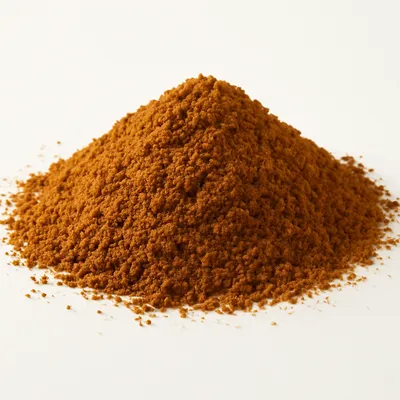
Marinate mutton (do this 4-12 hours ahead, ideally overnight): in a large bowl combine 1.5kg bone-in mutton (cut into 4-5cm pieces) + 400g yogurt + 2 tbsp ginger paste + 2 tbsp garlic paste + 3 tbsp Kacchi biryani masala (or homemade: 1 tbsp each of garam masala, cumin powder, coriander powder, paprika; 1 tsp each of nutmeg powder, mace powder; 1/2 tsp each of cardamom powder, clove powder) + 2 tbsp salt + 1 tsp red chili powder + 4 tbsp ghee + 4 tbsp lemon juice. Mix thoroughly. Cover; refrigerate 4-12 hours.
- 225 min
Prep aromatics: thinly slice 4 large onions; fry in 100ml oil + 50g ghee over medium heat 20-25 min until deep golden brown (beresta). Drain on paper; reserve oil.
- 31 min
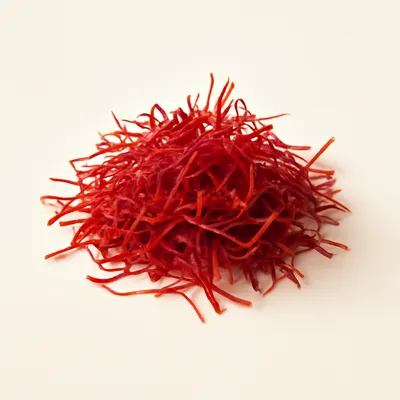
Prep saffron: soak 1/2 tsp saffron threads in 100ml warm milk for 30 min.
- 45 min
Prep rice: rinse 1kg basmati rice thoroughly under cold water until water runs clear. Soak 30 min; drain.
- 512 min
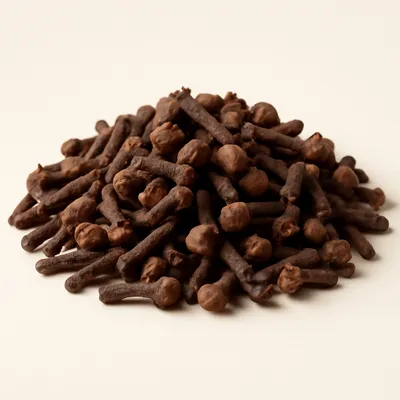
Parboil rice: bring 4L water + 2 tbsp salt + 4 green cardamoms + 4 cloves + 1 cinnamon stick + 4 bay leaves + 1 tbsp lemon juice to a boil. Add soaked rice; cook 5-6 min until rice is 70% cooked (still has a firm bite). Drain immediately; spread on tray to stop cooking.
Watch outPull the rice at 70% — a grain pinched between fingers still has a hard, opaque core; it must not be soft yet.
- 65 min
Layer the biryani: in a very heavy-bottomed pot (preferably copper-bottom), spread the marinated mutton evenly at the bottom (uncooked). Drizzle 4 tbsp ghee. Sprinkle 1/2 of the fried onions + 8 dried plums + 2 tbsp golden raisins.
- 73 min
Top with the parboiled rice, distributed evenly. Pour over: the saffron milk + 2 tbsp kewra water + 2 tbsp rose water + 4 tbsp warm milk + reserved fry-oil.
- 82 min
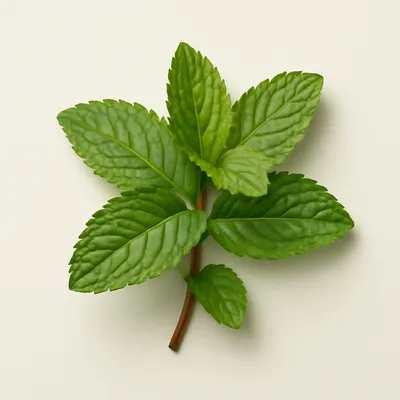
Top with remaining fried onions + 8 more dried plums + chopped mint + chopped coriander.
- 94 min
Seal the pot tightly: cover with foil pressed against the rim; place the heavy lid on top; weight with a heavy pan or pestle. Or use traditional dough-seal: roll a long sausage of flour-and-water dough; press around the lid-pot junction.
Watch outPress the foil or dough hard against the rim so no steam can wisp out — a good seal is what traps the perfume.
- 10165 min
Dum cooking: place the sealed pot over the lowest possible heat on the stove. Optionally, place hot coals on top of the lid (traditional) OR cover the lid with a baking tray to prevent heat escape. Cook 2.5-3 hours undisturbed. DO NOT lift the lid during this time.
- 1117 min
After 2.5 hours, turn off heat; let rest sealed 15 min more. Then carefully open: the mutton should be falling-off-the-bone tender, the rice golden and fragrant.
Watch outWhen you finally open it, the mutton should be falling off the bone and the rice golden-flecked and fragrant.
- 124 min
Serve: gently scoop layered portions onto plates so each plate gets rice + mutton + plum + raisin in proper proportion. Garnish with extra fried onions + lemon wedge + green chili. Side with raita (yogurt-cucumber), borhani (yogurt-mint drink), and salad. Pair with sweet lassi.
Archive tool suggestions — not reviewed
These legacy suggestions have not been evidence-reviewed and are not presented as required tools.


