
Sylheti meat-and-rice pilaf — basmati rice cooked in 'akhni' (an aromatic meat stock), with marinated mutton or chicken pieces folded into the rice rather than layered. The dish sits between Indian biryani and Bengali pulao, distinct by its lighter spice profile, single-step cooking, and the deeply-savory akhni stock as the cooking liquid. Sylheti weddings and Eid-day staple, also a London British-Bangladeshi restaurant favorite.
Akhni is not exclusive to Sylhet — it originated among Bengali Muslims of both Sylhet and Chittagong in eastern Bangladesh, and is a home and feast dish rather than strictly 'court cooking.' The word 'akhni' comes from the Arabic/Persian 'yakhni' (meaning stew or broth); the spiced-stock pilaf technique is Persian in lineage and was brought to South Asia by Mughal cooks (yakhni is documented in the 16th-century Ain-i-Akbari). The akhni stock is made by simmering meat with whole spices — often tied in a muslin bundle (potli), giving the dish its alternate name 'potli pulao' — then straining the stock before the rice is cooked in it. The Sylheti style is lighter than Dhaka biryani: less ghee, fewer floral aromatics, more ginger-onion-garlic backbone, with the rice often dry-fried so the grains stay separate and fluffy. Sylheti countryside 'wedding houses' famously cook akhni polao for 200+ guests in massive deg pots, and in Sylhet it is also a Ramadan iftar staple, not only a wedding dish.
Akhni Polao tastes like Sylheti grandmother's wedding cooking. The first spoonful: rice that's golden and fluffy, each grain perfumed with the deep meat-stock of the akhni — a flavor that's neither aggressively spiced like biryani nor plain like pulao, but somewhere in between, lighter and more focused. Bite into a piece of mutton; it falls apart, having absorbed both the marinade and the cooking liquid. Fresh green chili from the rice adds intermittent heat; the fried onion garnish provides sweet caramelized crunch. Eat with raita and lemon. A Sylheti wedding lunch in 200g portions.
The defining element is the akhni stock: meat is simmered with whole spices — often tied in a muslin bundle (potli) — and the stock is then strained before it becomes the rice's cooking liquid. Because the spices are pre-simmered and bundled, they lend aroma without harsh heat, so the result is an evenly fragrant, gently spiced rice rather than a fiery, sharply layered one. In the Sylheti method the meat is often cooked first until tender and the rice is dry-fried before the two meet in the hot stock, which keeps the grains separate and fluffy while the meat flavor is carried evenly through the rice. The liquid-to-rice ratio matters — too much liquid makes the pulao mushy, which is why the rice is fried to absorb the stock cleanly. Fresh green chili added with the rice keeps its brightness through the short rice cook.
Variations
Beanibazar canonical (Sylheti countryside style); London-Bangladeshi version often uses chicken (faster, cheaper, more accessible); Sylheti Eid-special uses extra ghee + saffron + cashews; Akhni Polao Naga (with Naga king-chili — for spice extremists); modern restaurant version uses pressure cooker; the dish lighter than Dhaka biryani is the Sylheti pride — Sylhetis consider Dhaka biryani 'too heavy.'
On the Palate
Where Akhni Polao sits in the Bangladeshi flavor cloud
The soul of the dish is the akhni stock — simmer the meat and whole spices, then strain that broth and cook the rice in it, so the grains drink up an even, gentle fragrance instead of biting on hard spice.
Ingredients
Serves 6














How it's made
11 steps · 50 min active + 40 min waiting
- 192 min
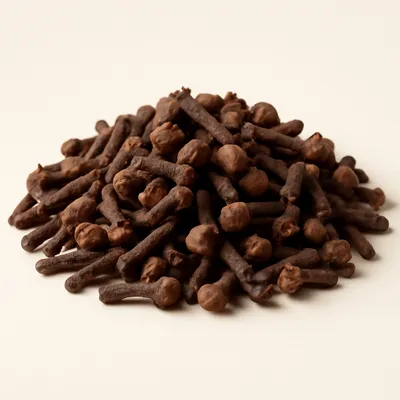
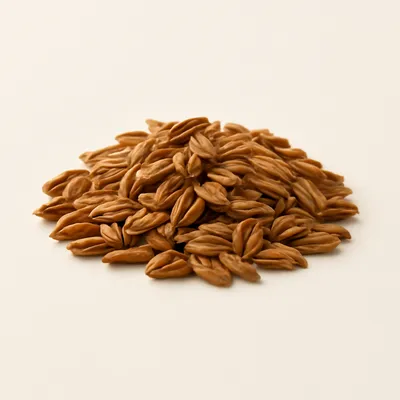
Make akhni stock: in a stockpot combine 500g mutton bones + 1.5L water + 1 onion (halved) + 5cm ginger + 4 garlic cloves + 4 green cardamoms + 4 cloves + 1 cinnamon stick + 1 bay leaf + 1 tsp black peppercorns + 1 tsp cumin seeds + 1 tsp salt. Simmer 90 min. Strain; reserve 800ml of the akhni stock.
- 222 min
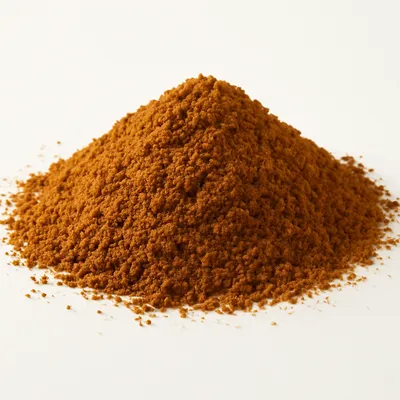
Prep meat: cube 700g bone-in mutton (or chicken thighs) into 4cm pieces. Marinate 20 min with 1 tbsp ginger paste + 1 tbsp garlic paste + 1 tsp turmeric + 1 tsp red chili powder + 1 tsp salt + 1 tsp garam masala + 100g yogurt.
- 313 min
Heat 80g ghee + 40ml mustard oil in a heavy Dutch oven over medium-high. Add 2 sliced onions; fry 12 min until deep golden. Remove half for garnish.
Watch outFry the sliced onions patiently to a deep, even gold — this is the sweet, savory base, so don't rush it pale or let it scorch.
- 49 min
Add the marinated meat to the remaining onions. Brown 8 min, stirring.
- 53 min
Add 1 tsp cumin seeds + 4 cardamoms (cracked) + 4 cloves + 1 cinnamon stick + 1 tsp garam masala. Stir 2 min.
- 638 min
Pour in 500ml of the akhni stock. Cover; simmer 35-40 min until meat is tender. The liquid should reduce by half.
Watch outSimmer the meat until fork-tender and the liquid has dropped by half — that reduced broth is what the rice will drink.
- 722 min
Wash 600g basmati rice; soak 20 min; drain.
- 83 min
Add the soaked rice to the meat pot. Stir gently. Add the remaining 300ml akhni stock + 4 sliced green chilies + 1 tsp salt + 1 tbsp ghee.
- 921 min
Cover tightly; cook on lowest heat 20 min undisturbed until rice is fluffy and liquid absorbed.
Watch outLowest possible heat and lid on tight; no peeking, or the trapped steam that cooks the rice escapes.
- 1010 min
Turn off heat; rest covered 10 min (critical for rice texture).
Watch outTen minutes off-heat and still covered — the grains set here, so skipping it leaves them wet and clumped.
- 114 min
Serve: gently scoop onto plates. Top with the reserved fried onions + chopped fresh coriander + slivers of fried almond or cashew + lemon wedge + hard-boiled egg (halved). Pair with raita, salad, and a glass of borhani.
Archive tool suggestions — not reviewed
These legacy suggestions have not been evidence-reviewed and are not presented as required tools.



