
Chittagong's celebrated red beef curry — beef simmered in a base of 'mezbani masala' (a regional ground-spice blend of dried red chilies, coriander, cumin, mustard seed and warm aromatics) with mustard oil, slow-cooked for hours until the meat dissolves at fork-pressure into a thin but deep red-orange, intensely spiced gravy. No tomato is used; the red color and heat come from chilies and paprika rather than tomato. Served at Mezbani feasts (open community lunches) across Chittagong for hundreds of guests. Widely regarded as Chittagong's signature dish.
Mezbani Mangsho is the centerpiece of 'Mezbani' — a centuries-old Chittagong feast tradition (the name from Persian 'mezban', host) in which a host opens the table to the whole neighborhood, and to strangers, drawing no line between rich and poor, on occasions such as births, deaths, marriages, housewarmings and naming ceremonies. The dish is canonically cooked in massive copper cauldrons over wood fire, often by traveling Mezbani specialist cooks who guard family recipes for the spice blend (the 'mezbani masala'). Its distinguishing features are: (1) no tomato — the deep red comes from dried red chilies and paprika; (2) a large, often-roasted ground-spice blend; (3) a thin but intensely spiced gravy (in contrast to its dry, blackened feast-mate kala bhuna); (4) a long slow-cook. The tradition is believed to have grown over the past 600–700 years through Arab and Muslim merchant contact at the port of Chittagong. Note: while restaurant and spice-brand lore often claims '30+ spices and no onion,' most home and traditional recipes do begin by frying onions in mustard oil.
Mezbani Mangsho is among the most intensely-flavored beef dishes in South Asia. The meat dissolves before you can chew — hours of slow cooking and spice penetration have turned the muscle into a velvety, loose-fibered paste. The signature is the gravy: thin rather than thick, deep red-orange, oil-glossed, yet packed with heat and layered spice — cardamom, cloves, mace, dried red chili, black pepper, the pungent bite of mustard oil, the warmth of ginger — with no sweetness from tomato. The flavor is purely savory-spice, ancient-tasting. A spoon of the red gravy over plain rice makes a complete meal. Eaten at a Mezbani feast on a Friday afternoon in Chittagong, seated on the floor with hundreds of strangers, this is community-bonding food at its most distilled.
Mezbani's technical signature is its regional ground-spice blend cooked into a thin red gravy with mustard oil. The masala is typically built from scratch — dried red chilies, coriander, cumin, mustard seed, fennel, mace, fenugreek and more, often dry-roasted and ground — so the color and heat come from chilies rather than tomato. Onions are usually fried in mustard oil first as a base; the beef is then dry-cooked in its own juices with the masala (a brief 'self-braise') before water is added and it is simmered for three to four hours until the meat is tender and the sauce deep red. Unlike kala bhuna — its dry, blackened, near-reduced feast-mate — Mezbani Mangsho keeps a deliberately thin, fiery gravy, which is its hallmark. Some versions finish with a tarka of hot mustard oil and chili powder for a fresh burst of aromatic heat. Mustard oil's high smoke point and sulfurous compounds give the characteristic pungency.
Variations
Chittagong canonical version (no tomato, a large roasted-spice blend, thin red gravy); Sylheti adaptation adds more onion for sweetness (some purists reject it); modern restaurant version uses a pressure cooker (about 90 minutes instead of four hours); Mezbani Khichuri pairs the beef with a rice-and-lentil khichuri; an Eid version adds chickpeas and boiled eggs; a chicken version is rare. At a full feast it is served with white rice alongside chonar dal (a split-pulse curry with beef fat), a beef bone-marrow soup, and kala bhuna. The dish is largely inseparable from the feast tradition — solo home cooks rarely make it.
On the Palate
Where Mezbani Mangsho sits in the Bangladeshi flavor cloud
Ingredients
Serves 8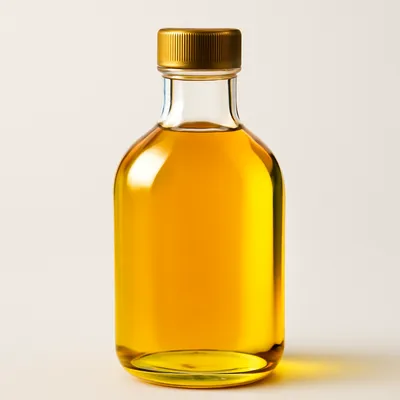












How it's made
11 steps · 50 min active + 3 hours 10 min waiting
- 112 min
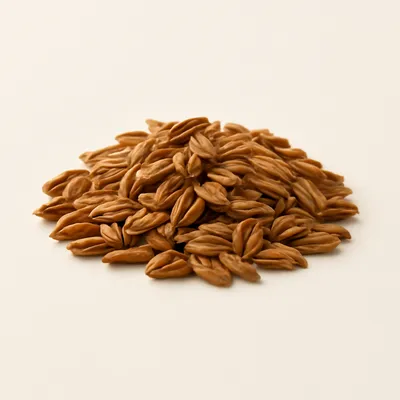
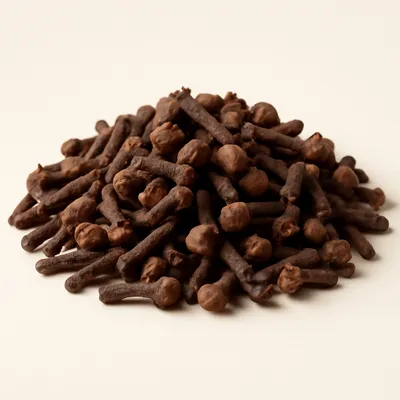
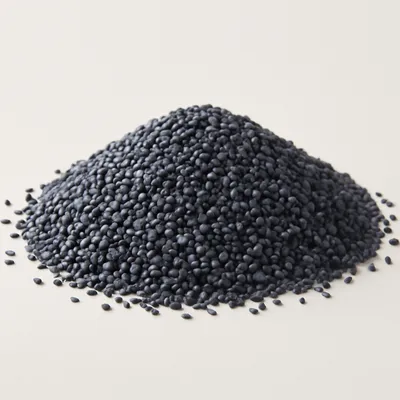
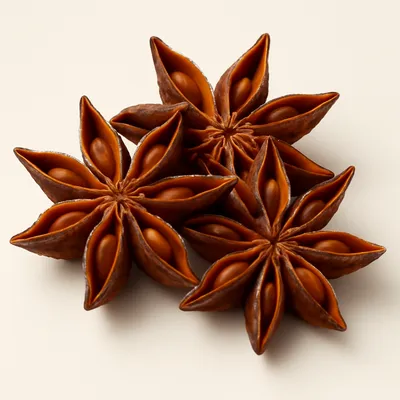
Make mezbani masala blend: in a dry skillet toast 2 tbsp coriander seeds + 1 tbsp cumin seeds + 1 tsp fennel seeds + 2 tsp black peppercorns + 1 tsp cloves + 4 green cardamoms + 2 black cardamoms + 1 tsp poppy seeds + 4 dried red chilies for 2 min until fragrant. Add 1 cinnamon stick + 2 bay leaves + 1 star anise + 4 mace blades. Cool; grind to fine powder. Add 1 tbsp turmeric + 2 tbsp red chili powder + 1 tbsp paprika + 1 tsp nutmeg powder + 1 tsp Kashmiri chili powder. This is your mezbani masala.
- 25 min
Prep beef: cut 1.5kg beef chuck or shoulder (bone-in preferred) into 4cm pieces. Don't trim too much fat — the fat is essential for the slow cook.
- 35 min
Heat 200ml mustard oil + 100g ghee in a heavy Dutch oven over medium-high. When the oil smokes lightly, add 4 tbsp ginger paste + 4 tbsp garlic paste. Sauté 2 min.
- 44 min
Add 6 tbsp of the mezbani masala. Sauté 3 min until the oil starts to separate. Add 3 tbsp salt + 2 tsp sugar.
Watch outSauté the masala until the oil starts to separate and pool at the edges — that's the sign the spices are cooked out.
- 52 min
Add the beef pieces. Stir to coat in the spice mixture. Don't add water yet — let the beef release its own juices.
- 632 min
Cover; reduce heat to medium-low; cook 30 min undisturbed (the beef will release water and partially cook in its own juices).
Watch outThe beef gives off its own water and simmers in it — no added liquid yet, just its own juices.
- 7195 min
Add 1L hot water. Cover; reduce heat to lowest setting; simmer 3-3.5 hours, stirring gently every 30 min, until the beef is meltingly tender and the sauce is deeply colored and thick.
- 832 min
In the last 30 min: add 2 tbsp roasted ground chickpeas (or use cornstarch + a few drops water) for body. Add 4 sliced green chilies. Continue to simmer.
- 92 min
Final step (canonical Chittagong): heat 4 tbsp mustard oil in a small skillet until smoking; add 1 tsp red chili powder + 1 tsp paprika; immediately pour this 'tarka' over the curry. Stir.
Watch outThe tarka of smoking mustard oil and chili should hit the curry with a loud sizzle — pour it over immediately.
- 1016 min
Rest 15 min before serving. The curry should be deeply red-orange, with a glossy oil layer floating on top (this is correct — Mezbani is intentionally oil-rich).
- 1110 min
Serve with white rice or Bengali pilau, alongside chickpea-curry (chola bhuna), boiled egg, salad, and lime wedge. Pair with sweet borhani or lassi.
Archive tool suggestions — not reviewed
These legacy suggestions have not been evidence-reviewed and are not presented as required tools.
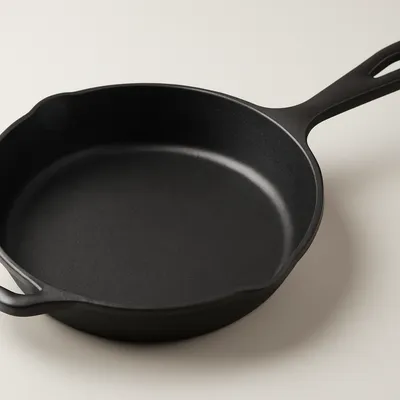
A heavy, single-piece cast iron pan, 25-30 cm across, weighing 1.5-2.5 kg. Once preheated, the thick mass holds 230°C+ even when a cold steak hits the surface — that's the secret to a deep crust. A well-seasoned skillet (multiple thin layers of polymerized oil baked into the iron) is essentially nonstick, gets better with use, and lasts a century. Lodge skillets from Tennessee have been in continuous production since 1896.
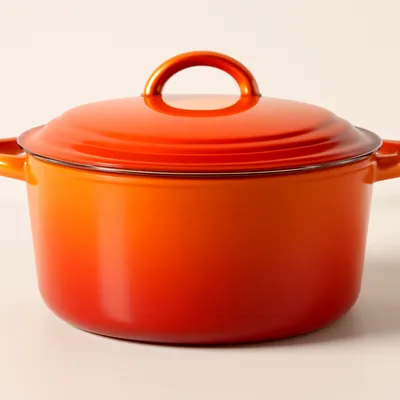
A heavy enameled or bare cast-iron lidded pot, 4-7 liters, with thick walls and a snug lid. The mass evens out hotspots; the lid traps moisture for braising. Sears on the stovetop, then transfers to a 150°C oven for 3-4 hours of even, contained heat — the structural difference between a beef bourguignon that comes out luminous and one that turns to gray mush. Le Creuset and Staub are the celebrated versions; an old American Wagner is functionally identical.


