
Sylheti citrus-beef curry — bone-in beef slow-braised with shatkora (a semi-wild Sylheti citrus, knobbly and lime-to-pomelo-like with an intensely bitter-sour flesh), onions, ginger, garlic, and a robust spice blend. The flesh is too bitter to eat and is discarded; the prized part is the thick fragrant rind, cut into wedges and stewed with the meat, where its citrus oils perfume the curry and cut the beef's richness. The result — often called simply 'Sylheti beef' — is the defining dish of Sylhet.




Shatkora (also hatkora; a cultivar of the semi-wild citrus Citrus macroptera) is the defining citrus of Sylhet — grown in the hills of the Surma valley, with a thick yellow-green rind packed with bitter-aromatic oils. The plant doesn't grow well outside Sylhet's specific humid-hill climate, so dried or frozen rind is shipped globally for diaspora cooks. The dish reached the wider world through migration: most British-Bangladeshis trace their roots to Sylhet, and they brought shatkora cooking with them. Some 85% of Britain's 'Indian' curry houses are in fact Bangladeshi-run — concentrated around 'Banglatown' on London's Brick Lane — and 'Sylheti beef' (or shatkora beef), long a clandestine 'staff-menu' dish, has lately been put proudly on the main menu by a younger generation reclaiming its heritage. The Sylheti style differs from the rest of Bangladesh in roughly three ways: the shatkora signature aroma, heavier use of fenugreek (methi), and less ghee in favour of mustard oil.
First bite of beef: fork-tender, deeply spiced with cumin and coriander, with a faint citrus undertone unlike any other curry. Then you reach a piece of shatkora rind — the whole point of the dish — and a gentle chew releases a wave of intensely floral-bitter citrus, like pomelo zest but with kaffir-lime-leaf herbal notes. The contrast is unforgettable: the beef's richness against the shatkora's bright bitterness. Eat with plain white rice, which soaks up the sauce; a bite of green chili adds heat.
Everything turns on the thick rind. Shatkora rind carries citrus essential oils that bloom in the hot fat and broth of the braise, lacing the whole sauce with a clean bitter-citrus aroma that offsets the beef's heaviness; the rind itself slowly softens over the long cook, turning from harshly bitter to mellow and chewable. The fenugreek's slight bitterness echoes it, the two complementary bitter notes building flavour 'depth,' and mustard oil's pungency adds a third layer. The key is restraint: the flesh and rind are intensely bitter, and too much turns the whole pot harsh and astringent — so only a few measured wedges go in. The beef itself needs two to three hours of low simmer to grow tender; pressure-cooker versions are quicker but lose some aromatic depth.
Variations
The Sylheti canonical version uses fresh shatkora rind with fenugreek and mustard oil; the British-Bangladeshi 'shatkora curry' is the diaspora version, often using frozen rind (freezing preserves the essential oils). Beyond beef, mutton and fish versions exist; a chicken version (shatkora morog) is common on non-beef days. Attempts to substitute lemon or kaffir lime never capture the flavour — the dish hinges entirely on shatkora and is hard to replicate without it.
On the Palate
Where Shatkora Mangsho sits in the Bangladeshi flavor cloud
Shatkora rind is intensely bitter, so use only a few measured wedges and pre-boil them — the goal is a clean citrus-aromatic lift over the beef, not an astringent, harsh pot.
Ingredients
Serves 6





How it's made
12 steps · 40 min active + 2 hours 20 min waiting
- 110 min
Prep shatkora: take 1/2 shatkora fruit (or substitute with thick-rind grapefruit + 2 kaffir lime leaves). Peel off the green outer skin (zest only, not white pith). Slice the rind into thin strips (1cm × 4cm). Boil rind 5 min in salted water; drain (this reduces excess bitterness).
Watch outPeel only the green outer zest — any white pith clinging on is where the harshest bitterness hides.
- 25 min
Cube 1.2kg bone-in mutton into 4cm pieces. Pat dry.
- 31 min
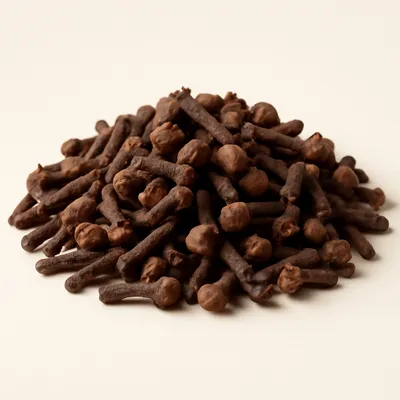
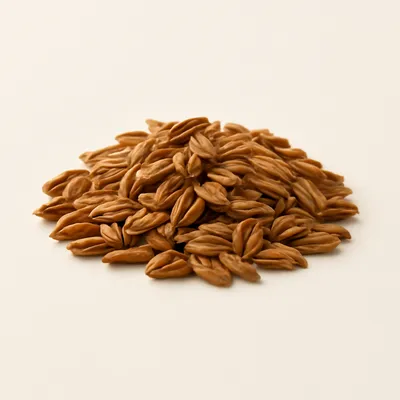
Heat 100ml mustard oil in a heavy Dutch oven over medium-high. Add 4 cardamoms (cracked) + 4 cloves + 1 cinnamon stick + 1 tsp cumin seeds. Sizzle 30 sec.
- 412 min
Add 3 large onions (thinly sliced). Fry 12 min until deep golden.
Watch outFry the onions patiently to a deep golden brown; this is the sweet, savory base the whole sauce builds on.
- 53 min
Add 3 tbsp ginger paste + 3 tbsp garlic paste; sauté 3 min.
- 68 min
Add the mutton; brown 8 min, stirring occasionally to color all sides.
- 72 min
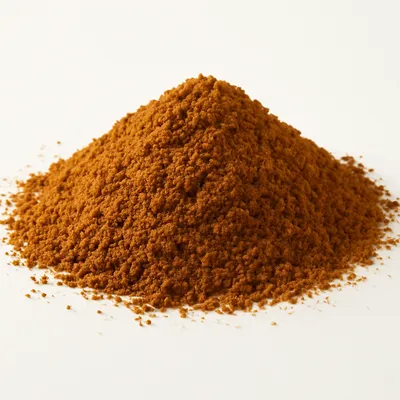
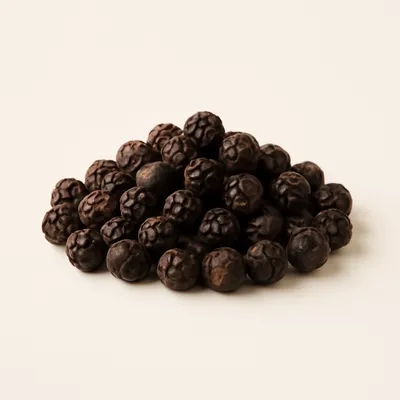
Add the spice mix: 1 tbsp turmeric + 2 tbsp red chili powder + 1 tbsp coriander powder + 1 tsp cumin powder + 1 tsp fenugreek powder + 1 tsp salt + 1/2 tsp black pepper. Stir 2 min until oil separates.
- 892 min
Add 250g chopped tomatoes + 500ml hot water. Bring to a boil; cover; reduce heat to lowest setting; simmer 90 min stirring every 30 min.
- 937 min
Add the prepared shatkora rind. Continue to simmer 30-45 min more until mutton is meltingly tender and shatkora rind has softened. The sauce should be thick and oil-glossy.
Watch outThe rind is ready when it's softened enough to chew and the sauce has gone thick and oil-glossy on top.
- 101 min
Add 4 green chilies (split) + 1 tsp garam masala + 1 tbsp lemon juice. Stir; remove from heat.
- 1110 min
Rest 10 min before serving (allows shatkora aroma to mellow into the sauce).
- 125 min
Serve with white basmati rice or pulao, alongside a side of dal, salad, and lime wedge. The Sylheti way: tear a piece of shatkora rind with each bite of mutton.
Archive tool suggestions — not reviewed
These legacy suggestions have not been evidence-reviewed and are not presented as required tools.



