
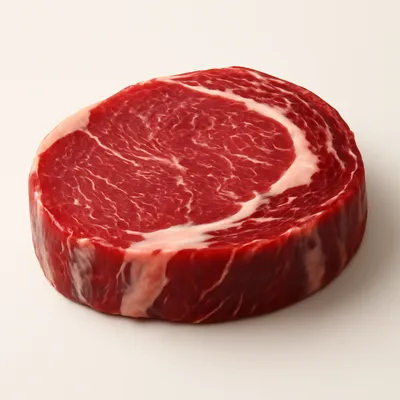





Chittagong (Chattogram) in southeastern Bangladesh is the acknowledged home of kala bhuna, from where it later spread to Sylhet, Khulna and the capital Dhaka to become a national favourite. It is closely tied to the city's mezban (mezbani) tradition — a Chittagonian community feast whose name comes from the Persian mezban ('host'), popularised from the late 1960s, thrown by a host to feed all comers on happy occasions rather than weddings alone. The spread centres on beef and uses nearly the whole animal: steamed white rice alongside chonar dal (a mung-bean curry with chunks of beef fat), nolar kanji (beef bone-marrow soup) and the kala bhuna among them, the most technically demanding of the set. Its near-black colour comes not from added sugar but from the layered browning of onions and meat over a long dry fry — the bhuna technique pushed to its limit.
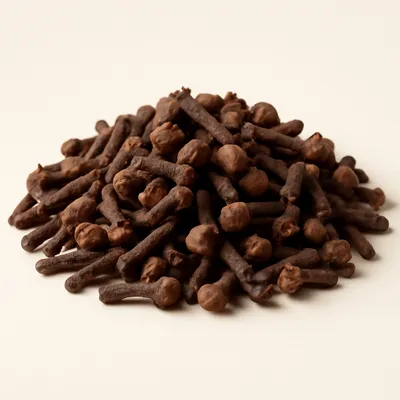
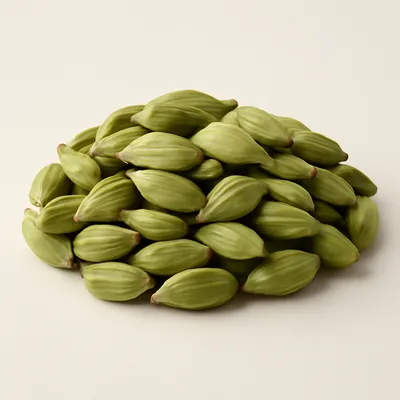
Glossy, near-black chunks of beef sheathed in an almost-dry, lacquer-dark spiced coating, with little loose oil or gravy in the dish — that hard, gleaming crust is the tell. The first note is the deep, brooding richness of mustard oil and long-fried spices, warmed by cinnamon, clove and cardamom, then closed by the faint bitter perfume of radhuni (wild celery seed). The meat, cooked low for hours, gives way at the press of a fork yet holds in chunks; the longer you chew, the more its toasted, roast-dark depth comes through.
Everything rides on the dry fry, not a simmer: the beef is cooked with plenty of onion and ground spices in mustard oil over low heat for two to three hours, stirred almost constantly. Two browning reactions drive the colour — the onions' sugars caramelise and Maillard-brown against their own proteins, while the surface of the meat browns over the same long, low fry — together carrying the pot past the usual red-brown into deep brown-black and reducing to a glossy, dry coating that clings to the meat. Mustard oil's raw pungency mellows over the long cook into nutty depth. Radhuni (wild celery seed, a Chittagong signature) is crushed in near the end. Many cooks finish with a bagar — fried garlic and onion, with whole spices and dried chilli bloomed in hot mustard oil, poured back over the dish — for an extra layer of toasty pungency, though it is not universal.
Variations
Beef is most common — Chittagonians favour a shoulder cut with some connective tissue, which turns meltingly tender over the long fry — though mutton is also used. Its most famous stage is the mezban communal feast, where a single pot must serve many guests and it is paired with steamed white rice; home cooks make it in one pot and eat it with paratha, pulao or khichuri. Hands differ: some work crisp fried onions (beresta) into the marinade and finish with more to deepen the near-black colour; some skip the final bagar tempering. A vegetarian version is essentially impossible for a beef dish where the meat IS the dish.
On the Palate
Where Kala Bhuna sits in the Bangladeshi flavor cloud
Ingredients
Serves 4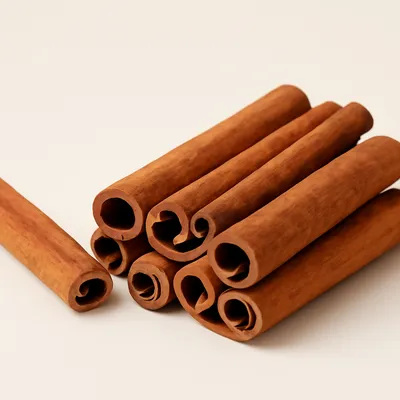

How it's made
4 steps · 30 min active + 3 hours waiting
- 130 min
Cut 1 kg beef chuck into 4 cm chunks; marinate 30 min with 2 tbsp ginger-garlic paste + 1 tbsp turmeric + 1 tsp salt.
- 215 min
Fry 4 sliced onions in 100 ml mustard oil 15 min until deep brown; remove and grind to paste.
Watch outTake the onions all the way to deep brown, not just golden — that darkness is what carries the whole pot to its final black color.
- 3150 min
Return onion paste to oil; add beef + whole spices (cinnamon, clove, cardamom, bay); cook covered low 2.5 hours stirring every 15 min.
Watch outKeep the heat low and the spoon moving — a long, dry, stirred fry, never a wet simmer; if it sizzles hard or sticks, drop the flame.
- 430 min
Uncover; cook 20 min more until gravy is dry-clinging black; rest 10 min; serve with paratha.
Watch outDone when the gravy has cooked away to a glossy near-black coat that clings to each chunk, with a rim of oil weeping out at the edge.
Archive tool suggestions — not reviewed
These legacy suggestions have not been evidence-reviewed and are not presented as required tools.


