
Nepal's everyday national meal — a mound of steamed rice (bhat) with a soupy lentil dal poured over it, a seasonal vegetable curry (tarkari), a tangy pickle (achaar), usually some fermented greens (gundruk/sag), and a small bowl of curd (dahi), sometimes with a meat curry added. Eaten by hand twice a day across Nepal, with the rice and dal endlessly refillable. The phrase 'dal bhat power, 24 hour' is the line Himalayan trekkers fuel up on.






Dal bhat tarkari is less a single dish than the rhythm of Nepali life: eaten twice daily by nearly every household, almost unchanging. Practices vary by community — Hindu Brahmins often eat it vegetarian; Buddhists may add chicken or fish; high-altitude Sherpa villages sometimes swap rice for barley or tsampa. It's always laid out on a metal thali ringed with small katori bowls. The phrase 'dal bhat power, 24 hour' caught on along the Annapurna and Everest trekking routes, where porters and guides cross the mountains fueled on this one meal — visitors took up the slogan.
For balanced nutrition there may be no more complete meal in the Himalayas: rice for carbohydrate, dal for protein, vegetable curry for fiber and vitamins, tangy pickle to whet the appetite, and a small bowl of curd to cool the spice and settle digestion — each component offsetting another. Nepali porters eat this twice a day; that carbohydrate-protein-vegetable combination is what sustains a full day of load-bearing walking. 'Dal bhat power, 24 hour' is no idle boast.
Three principles. (1) Tarka: spices bloomed in hot oil and stirred into the dal at the end is the canonical Nepali technique, and the whole pot's aroma rides on it. (2) The thali-and-bowls format puts rice, dal, vegetable, pickle, and curd each in its own place, so one meal covers savory and sour, hot and cool, balanced by design. (3) Unlimited refills of rice and dal — an unwritten convention that exists to fill the bellies of Nepalis doing hard physical work.
Variations
The Pahari (hill) version is the most common, typically vegetarian; the Newar of the Kathmandu valley may add choila (seared spiced meat) or bara (lentil cakes); high-altitude Sherpa swap tsampa for rice; meat versions with chicken, mutton, or fish curry are everyday; Kathmandu restaurants now plate upscale thali sets — but whichever the version, the old rule of free, unlimited rice-and-dal refills always holds.
On the Palate
Where Dal Bhat Tarkari sits in the Nepali flavor cloud
Ingredients
Serves 4








How it's made
8 steps · 1 hour active + 30 min waiting
- 138 min
Dal: rinse 200g lentils, pressure-cook 15 min with 1.5L water + 1/2 tsp turmeric + 1 tsp salt. Mash for soupy texture.
- 211 min
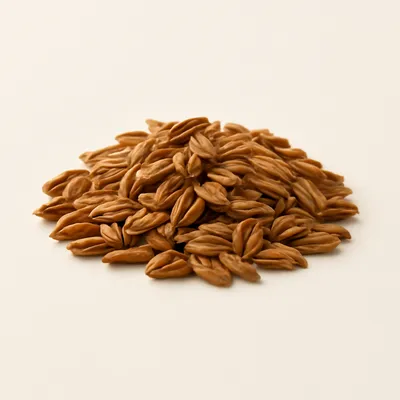
Tarka the dal: heat 2 tbsp ghee; sizzle 1 tsp cumin seeds 30 sec. Add 1 diced onion + 4 garlic + 2cm ginger; cook 5 min. Add 1 chopped tomato + 1 green chili; cook 3 min. Pour into dal.
Watch outSizzle the cumin in the ghee just until it darkens a shade and smells toasty before the onion goes in — don't let it burn.
- 328 min
Bhat: rinse 400g basmati rice; cook with 600ml water + 1 tsp salt, low heat 18 min covered. Rest 10 min.
Watch outCook the rice on low, covered and undisturbed, then rest it ten minutes so the grains firm up separate and fluffy.
- 417 min
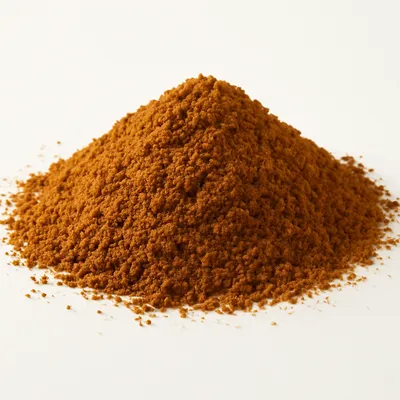
Tarkari: heat 3 tbsp oil; sizzle 1 tsp cumin + 1 dried chili. Add 1 onion + 4 garlic + 2cm ginger; cook 5 min. Add 1 tsp each turmeric, coriander, cumin powder, garam masala, chili powder, salt.
Watch outBloom the ground spices in the hot oil only a few seconds until fragrant — any longer over heat and they turn bitter.
- 512 min
Add 600g mixed vegetables (cauliflower, potato, carrot, beans, spinach) + 200ml water; simmer covered 12 min.
- 612 min
Achar: grate 1 daikon, squeeze water. Mix with salt, chili, mustard oil, lemon juice, turmeric. Rest 10 min.
- 75 min
Plate thali: rice mound center, surrounded by small bowls of dal, tarkari, achar, mahi (yogurt), lemon wedge, papad cracker.
- 85 min
Eat with right hand: mix small amounts of each per scoop. Unlimited refills of rice + dal + tarkari is canonical hospitality.
Archive tool suggestions — not reviewed
These legacy suggestions have not been evidence-reviewed and are not presented as required tools.


