




Gundruk sadeko is the everyday Nepali starter — found in every dal bhat thali and as a beer-hall side. The sun-dried gundruk lasts for months in the pantry, making it the universal Nepali winter vegetable when fresh greens disappear. The 'sadeko' technique (raw-marinated salad with hot mustard oil) is the broader Nepali category.
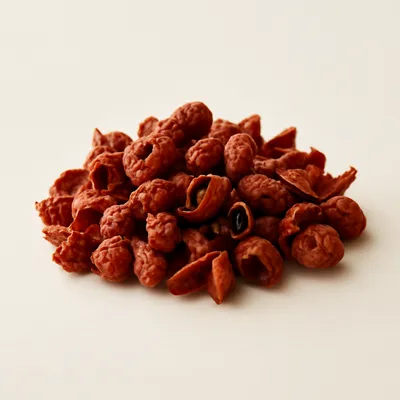
Pinch a small mound of gundruk sadeko with chiura beaten-rice flakes — the gundruk is dark-olive-brown, fibrous; the crushed soybeans look like small pale gravel; the red-onion and tomato bring color. Bite: the gundruk hits first — funky-fermented, sharply sour, like sauerkraut but with more umami depth; the roasted soybean adds nutty crunch; mustard-oil pungency; the timur tingle on the lips. With chiura flakes for substrate and a chilled lager, this is the most-Nepali bite in the country.
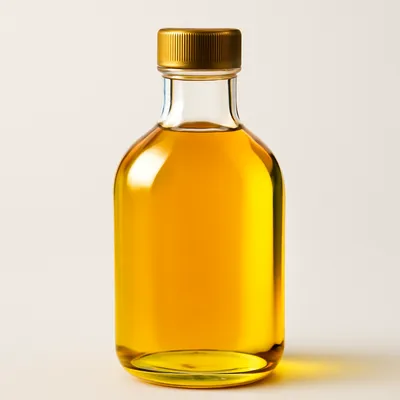
Briefly soaking the dried gundruk rehydrates without losing its fermented tang. The dry-roasted soybeans (bhatmas) provide textural contrast and rich nutty flavor that complements the gundruk's funk. The hot mustard-oil tarka step is the critical Nepali sadeko technique — the oil's pungency is mellowed by smoking before being poured over the raw aromatics, where it lightly cooks the onion and garlic without losing their freshness.
Variations
With tomato (more common in Kathmandu). Without tomato (more traditional). With cucumber (summer version). With dried fish (Tibetan-Nepali border). With paneer (modern restaurant version). With pickled bamboo (eastern Nepal).
On the Palate
Where Gundruk Sadeko sits in the Nepali flavor cloud
The whole dish turns on the hot mustard-oil tarka: heat the oil to just smoking to mellow its pungency, bloom the spices in it for seconds, then pour it sizzling over the raw aromatics so it lightly cooks the onion and garlic without killing their freshness.
Ingredients
Serves 4



How it's made
8 steps · 15 min active + 5 min waiting
- 111 min
Soak 100 g dried gundruk in warm water for 10 min until pliable. Squeeze dry thoroughly; chop coarsely.
Watch outSoak just until the gundruk is pliable, then wring it bone-dry — leftover water dilutes the tang.
- 27 min
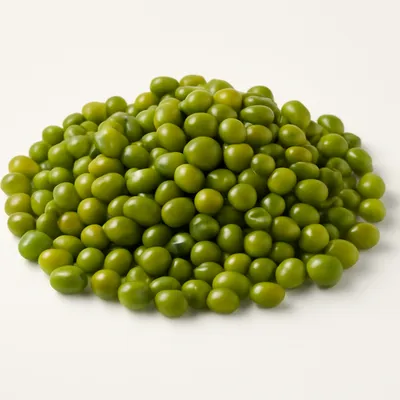
Roast 100 g dry soybeans in a hot dry pan 6-7 min until they pop and turn golden. Cool slightly; crush coarsely.
- 34 min
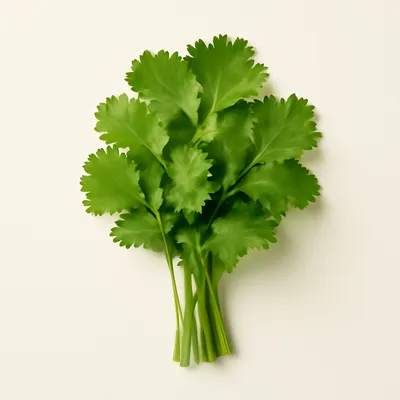
Combine gundruk, soybeans, 1 finely-chopped tomato, 1/2 finely-sliced red onion, and 2 tbsp chopped cilantro in a large bowl.
- 43 min
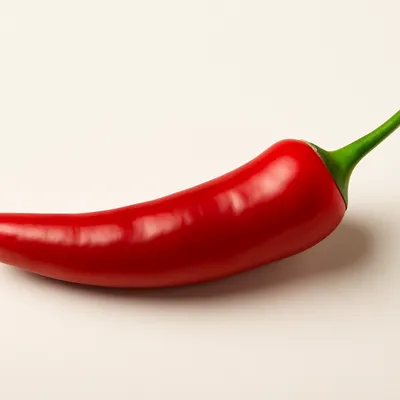
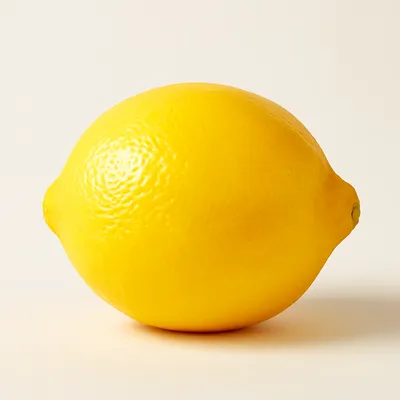
Add 1 tbsp grated ginger, 2 minced garlic cloves, 1 finely-sliced green chili, juice of 1 lemon, 1 tsp salt, 1/2 tsp toasted timur (Sichuan pepper).
- 51 min
Heat 2 tbsp mustard oil in a small pan until just smoking. Add 1/2 tsp fenugreek seeds, 1 dried red chili, 1/2 tsp turmeric; sizzle 10 sec.
Watch outHeat the mustard oil until it just smokes, then bloom the spices only 10 seconds before it burns.
- 62 min
Pour the sizzling tarka over the gundruk mixture; toss hard immediately to coat.
Watch outPour the tarka over while it's still sizzling and toss hard at once, so the hot oil coats and lightly cooks everything.
- 75 min
Rest 5 min for flavors to develop; the lemon and oil will continue to 'cook' the onion.
- 82 min
Serve at room temperature with chiura (beaten rice flakes), as a dal-bhat side, or as bar snack with cold beer.


