Bengali fire-roasted eggplant mash — a whole eggplant charred over open flame until the skin blisters and the inside is meltingly soft, then peeled and mashed with mustard oil, fried onion, garlic, green chili, and cilantro. Served as a starter with rice. The Bengali bharta family (mashed-vegetable preparations) is iconic — distinguishing Bengali cuisine from neighboring South Asian cooking by its embrace of raw mustard oil and fire-roasting.
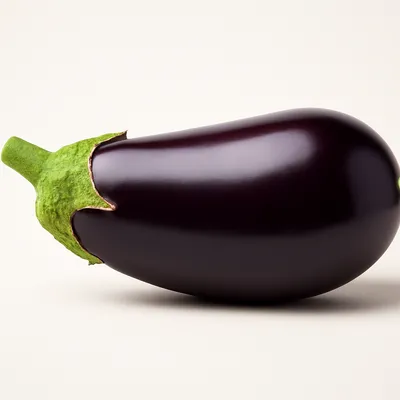



Bharta — the technique of fire-roasting and mashing vegetables with raw mustard oil — is Bengal's distinctive contribution to South Asian cuisine. Found across Bangladeshi, West Bengali, and Northeast Indian kitchens, the bharta technique is used for eggplant, potato, tomato, dried fish, and many other ingredients. Begun Bharta (eggplant) is the most iconic. The Khulna-Barisal style uses a slightly more pungent mustard oil and adds fried onions for sweetness contrast. The dish is everyday peasant-to-bistro food: incredibly cheap, easy to make, and intensely flavorful. Bengali home kitchens use a gas-stove flame or wood fire to char the eggplant; modern restaurants may use a charcoal grill. The slight bitterness of the smoke-blackened skin (left as flecks in the bharta) is the canonical signature.
Begun Bharta is Bengali soul food. The first bite: smoky-charred eggplant flesh that's tender and silky, with bright sparks of raw red onion, herbal cilantro, and the unmistakable pungency of fresh mustard oil. The flavor depth is unexpected from such a simple dish — the fire-roasting creates dozens of subtle smoke compounds that taste like 'campfire' combined with 'good cooking.' The fried onion adds caramelized sweetness; the raw onion adds sharp bite; the green chili threads through with heat. Mixed with plain white rice, each spoonful is comfort-food perfection. Bengali grandmothers can taste exactly how long the eggplant was charred just from one bite.
Fire-roasting eggplant produces complex flavor through several mechanisms: (1) Maillard browning of the surface skin creates roasted compounds; (2) the high heat caramelizes the eggplant's natural sugars; (3) smoke compounds (phenols, guaiacols) from the open flame absorb into the flesh; (4) the rapid internal cooking + steam pressure inside the intact skin breaks down cell walls completely, creating the meltingly-soft texture. The fork-mashing (vs blending) preserves texture variety — some chunks, some paste. Fresh raw mustard oil (added off heat) preserves the volatile mustard isothiocyanates that dissipate quickly when heated. The contrast of fried + raw onion creates a sweet-sharp axis.
Variations
Khulna canonical (fire-roasted, mustard oil, fried + raw onion); Sylheti version adds tomato + fenugreek; Dhaka home version may use peanut butter for nutty depth (modern); North Indian 'baingan bharta' uses onion-tomato sauce instead of raw oil (different category); modern restaurant version may add yogurt or cream (some purists reject); vegan-friendly throughout; the technique applies to many vegetables (aloo bharta = potato, tomato bharta).
On the Palate
Where Begun Bharta sits in the Bangladeshi flavor cloud
Char the whole eggplant directly over an open flame until the skin is blackened and the flesh collapses — that live-fire smoke absorbed into the soft flesh is the entire dish.
Ingredients
Serves 4

How it's made
9 steps · 25 min active + 25 min waiting
- 12 min
Choose 2 large purple eggplants (700g total, similar to Italian eggplant). Wash; pat dry.
- 212 min
Char the eggplants: hold each whole eggplant directly over an open gas flame, turning continuously with tongs, for 8-12 min per eggplant, until the skin is blackened all over and the flesh is meltingly soft (a sharp knife should pierce easily). Alternative: roast at 230°C in oven for 35 min until collapsed. Best is grilling over wood embers — adds extra smokiness.
Watch outTurn the eggplant continuously until every side is blackened and a knife slides straight through the soft center.
- 310 min
Place charred eggplants in a bowl; cover with a plate; let rest 10 min (steam loosens the skin).
- 44 min
Peel: use your fingers or a knife to peel off the charred skin. Leave a few small flecks for smoky character. Discard the stem. Place the soft flesh in a bowl.
Watch outPeel off most of the charred skin but leave a few black flecks for smoky character.
- 52 min
Mash the flesh with a fork or potato masher — the texture should be coarse-rustic, NOT smooth puree.
- 67 min
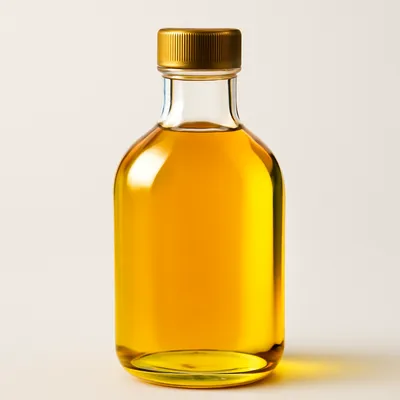
Heat 4 tbsp mustard oil in a small skillet over medium. Add 1 large finely-chopped onion + 4 garlic cloves (minced) + 2 finely-chopped green chilies. Sauté 6-7 min until onions are deep golden-brown.
Watch outFry the onions to deep golden-brown so their sweetness balances the sharp raw onion added later.
- 74 min
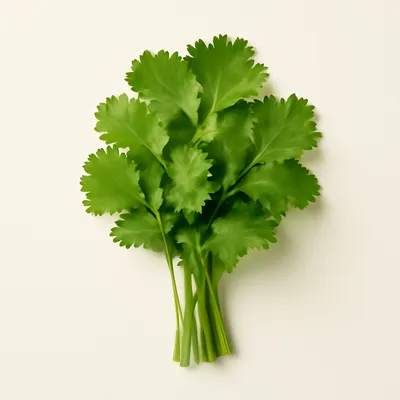
Pour the hot oil-onion mixture over the mashed eggplant. Add 1/2 tsp salt + 1/4 tsp turmeric (optional, for color) + 2 tbsp chopped cilantro + 2 tbsp finely chopped raw red onion. Mix well.
- 81 min
Drizzle 1 tbsp fresh raw mustard oil over the bharta. Mix once. Taste; adjust salt.
Watch outAdd the raw mustard oil off the heat and mix just once — don't cook it in.
- 95 min
Serve at room temperature in a small bowl as part of a Bengali meal. Eat with plain white rice (each spoonful of rice topped with a teaspoon of bharta), alongside dal and a piece of fried fish or curry. The bharta keeps refrigerated 2-3 days.
Archive tool suggestions — not reviewed
These legacy suggestions have not been evidence-reviewed and are not presented as required tools.