


Dhaka
Old Dhaka's Mughal kacchi biryani, kebabs, and Bengali Muslim feast cooking.
Kacchi Biryani
Old Dhaka raw-cook mutton biryani
View page →At Hajir Biryani in Old Dhaka's Kazi Alauddin Road (Nazira Bazar) since 1939, a copper pot of Kacchi Biryani is being unsealed — saffron-flecked basmati rice over slow-cooked goat, perfumed with kewra, rose water, and dum-cooked spices. Across the alley, a beguni vendor fries thin slices of eggplant in turmeric-and-nigella-seed batter for Iftar. In a Tangra district restaurant, Tehari simmers in a deep pot — yellow rice with beef chunks, ready for 1pm office-worker lunch. Dhaka's culinary identity is Mughlai-Bengali fusion: medieval Persian-Turkic biryani techniques meet Bengali rice agriculture; date-palm jaggery sweetens the regional palate; the kewra-rose-saffron perfume scents weddings and Eid feasts. This is the kitchen of the Bangladeshi capital, refined over 400 years.
The Palate
Start Here
Old Dhaka's wedding-table centerpiece — raw mutton dum-cooked under partially-cooked basmati rice for 3 hours, perfumed with kewra, rose water, and saffron.
Why start here · Kacchi Biryani is the most ambitious dish in Bangladeshi cuisine — it captures the dum-pukht tradition refined for Bengali ingredients.
Dhaka's everyday beef-and-rice — basmati cooked with cubed beef in a turmeric-and-cumin broth, finished with green chili and fried onion.
Why start here · Tehari is the working-class one-pot — fast, satisfying, and the Bangladeshi everyday counterpart to the wedding-day Kacchi.
Iftar essential — thin eggplant slices dipped in turmeric-rice-flour batter and deep-fried until shatteringly crispy, eaten with puffed rice.
Why start here · Beguni is Ramadan in a bite — it teaches the Bengali Iftar tradition and the crispy-fritter category that defines Bengali snacking.
The Pantry




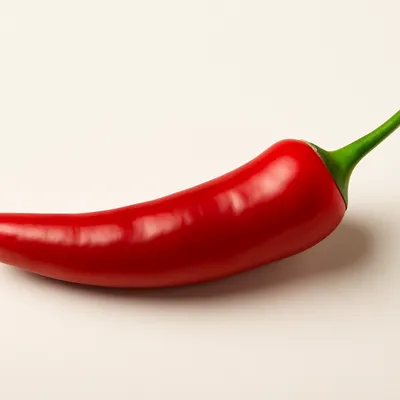



See all 98 ingredients›







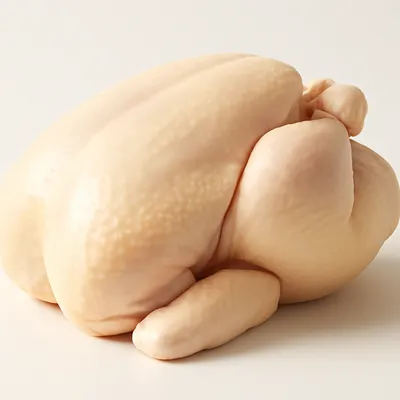
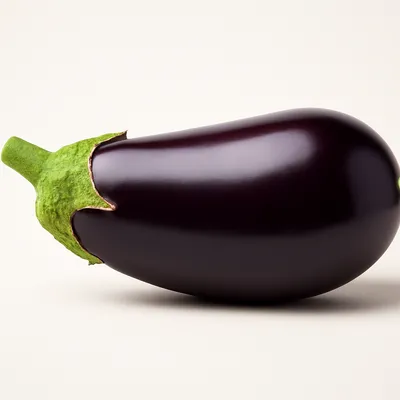

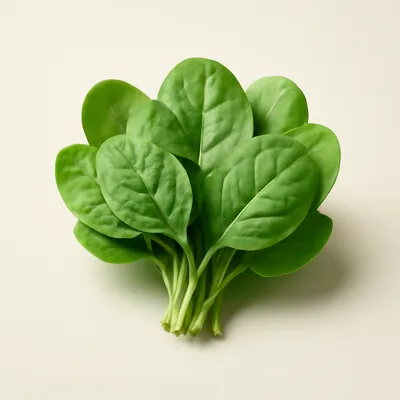





Herbs & Spices























How They Cook
Techniques that define this cuisine
Kindred Kitchens
Cuisines built on the same signature ingredients
Other regions
Siblings within Bangladeshi — each its own tradition.


