
South Sudan's celebration centerpiece — sorghum flour cooked into a thick, smooth, stiff dome of dough, served with a depression at the top filled with mulah (meat-and-okra stew). Eaten communally from a large platter with the right hand. The Sahel-Nile heritage dish shared with Sudan.
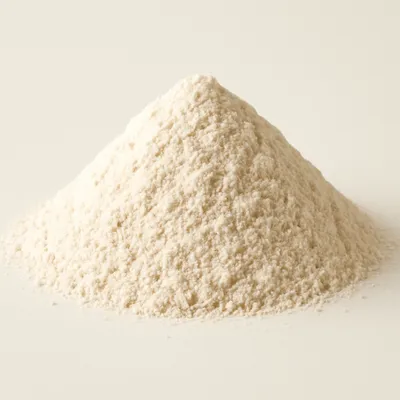


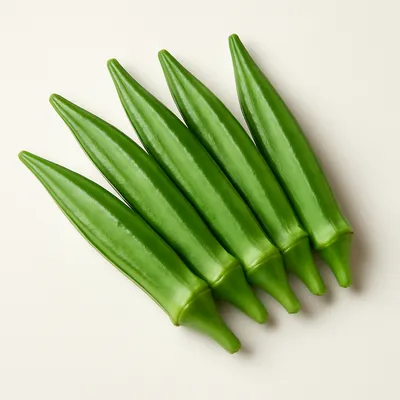


Aseeda in South Sudan is essentially the same dish as Sudanese asida — both countries share the Sahel-Nile food tradition. Dinka, Nuer, and Shilluk peoples have prepared aseeda for celebrations like weddings, harvest festivals, and reconciliation ceremonies for millennia. The dome-and-well presentation is identical; the filling differs (more cattle-milk-based yogurt sauces in South Sudan).
Pinch off a piece of warm aseeda from the dome — pale-tan, dense, smooth-but-elastic. Press a thumb-well, scoop mulah from the central well — fragrant beef-okra-tomato stew, glossy with oil. Bite: the aseeda's earthy sorghum flavor mingles with the deep-savory mulah, the dense-elastic texture pairs with the chunky stew. Each pinch carries mulah from the communal well to your mouth — the South Sudanese family-meal in its essential form.
Same mechanism as Sudanese asida — sorghum starch gelatinizes with vigorous mechanical action. The wet-hands shaping technique is critical for the dome. Communal eating from the well is a fundamental Sahel-Nile dining ritual.
Variations
Yogurt aseeda fills the well with sauced yogurt + greens. Honey aseeda fills with melted honey + ghee. Cattle-milk aseeda cooks the porridge in cow milk. Goat-stew aseeda uses goat. Bukra aseeda uses pearl millet. Modern Juba restaurant aseeda is portioned individually.
On the Palate
Where Aseeda South Sudanese sits in the South Sudanese flavor cloud
Get the sorghum porridge right: stream the flour in two stages while whisking hard, then keep stirring on low until it turns glossy and pulls off the pot sides — that pull-away moment is what lets the dome hold its shape.
Ingredients
Serves 4

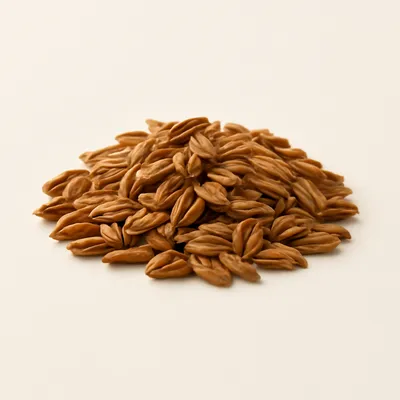




How it's made
11 steps · 30 min active + 15 min waiting
- 137 min
Make simple mulah filling: sauté 1 chopped onion + 4 minced garlic in 2 tbsp oil 5 min. Add 250 g cubed beef + 1 tbsp tomato paste + 2 chopped tomatoes + 150 g sliced okra + 1 tsp cumin + 1 tsp paprika + salt. Add 250 ml water; simmer 35 min until thick. Set aside hot.
- 24 min
Bring 1.2 L water + 1 tsp salt to a boil.
- 33 min
While whisking, slowly stream in 200 g sorghum flour. Whisk vigorously.
- 43 min
Reduce heat to medium-low. Continue stirring with a wooden spoon for 3 min.
- 53 min
Add another 200 g sorghum flour in a slow stream while stirring vigorously.
- 611 min
Continue stirring 10-12 min on low heat. The mixture will become very thick, glossy, and pull away from the pot sides.
Watch outWatch for the porridge turning glossy and pulling cleanly off the pot sides — that is the doneness cue.
- 71 min
Wet a large round serving plate with cold water.
- 84 min
Turn the aseeda out onto the plate. Wet your hands and shape into a smooth dome.
Watch outWork fast with wet hands while the porridge is still hot and pliable, before it sets.
- 92 min
Press a deep depression at the top with a wooden spoon — about 6 cm wide and 4 cm deep.
Watch outPress the well deep enough (about 4 cm) so it holds a full ladle of mulah without overflowing.
- 101 min
Pour the hot mulah into the depression. Garnish with chopped cilantro.
- 113 min
Serve immediately, hot. Family members tear off pinches of aseeda with the right hand from the side, dip into the mulah well, and eat.


