


Najd
Jareesh: cracked wheat, slow-cooked to cream.
Jareesh Najdi
Jareesh — cracked wheat slow-cooked with yogurt or meat — is the defining Najdi comfort dish, eaten across the central plateau.
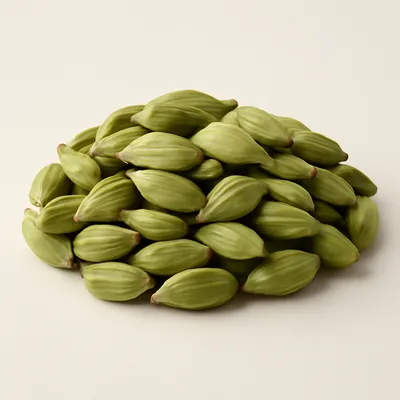
View page →Najd is the central plateau of Saudi Arabia, home to Riyadh, and the place Saudis themselves point to as the origin of the country's most recognisable flavors. Historically Bedouin grazing land, its kitchen is grain-based, built on wheat, rice, yogurt and lamb. The most ubiquitous dish is kabsa — long-grain rice cooked with tomato, onion, cardamom, cinnamon, cloves and a whole sheep or chicken in one pot until the grains are glossy. Jareesh, the soul of the Najdi table, cracks wheat, ferments it, and slow-cooks it with yogurt or meat into a thick, faintly sour porridge. Masoub blends torn bread with banana, honey and cream into a sweet mash; kleija is a date-filled griddle cake. The flavors here do not pile on spices; they rest on the honest taste of grain, date and fermented milk.
The Palate
Start Here
Cracked wheat fermented then slow-simulated with yogurt until thick and tangy — the dish that defines a Najdi breakfast.
Why start here · The Najdi kitchen in one bowl: grain, ferment, patience.
One-pot spiced rice with tomato, cardamom and whole lamb or chicken, the grain glossed in its own stock.
Why start here · The dish every Saudi kitchen cooks, at its Najdi source.
Flatbread torn into a spiced vegetable-and-meat stew, thickened by the dough itself.
Why start here · Shows the grain-as-thickener logic of the central plateau.
The Pantry
























How They Cook
Techniques that define this cuisine
Kindred Kitchens
Cuisines built on the same signature ingredients
Other regions
Siblings within Saudi — each its own tradition.