
Saudi Arabia's iconic light-roast coffee — Arabica beans lightly roasted only to amber, coarsely ground, then brewed with green cardamom (and sometimes saffron, cloves, rose water) into a pale-yellow, intensely-fragrant, bitter coffee. Served in tiny finjan cups (50 ml); the host pours from a tall-spouted dallah brass pot and refills continuously until the guest gently shakes the cup to signal 'enough.' The universal Saudi hospitality ritual — the bedrock of Arabian social life.

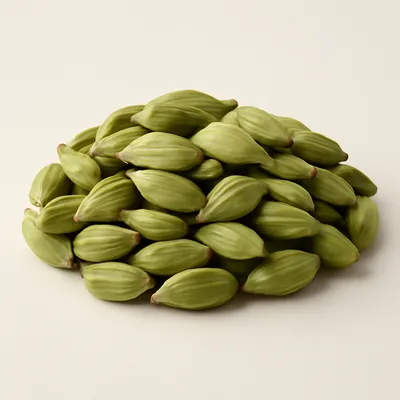
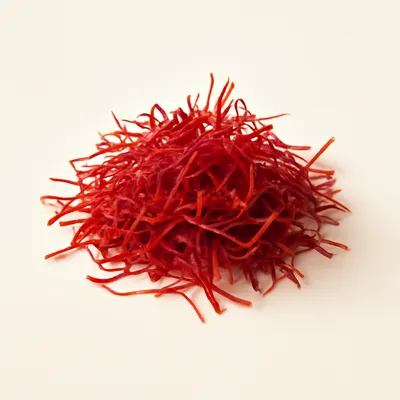
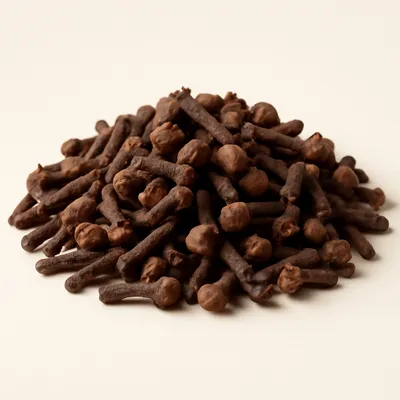


Saudi qahwa (also called gahwa, Arabic coffee) traces to 15th-century Yemen, where coffee was first brewed (the Sufi monks of the Mocha port discovered the technique). The drink spread to the Arabian Peninsula and became the Bedouin hospitality ritual. The Saudi version is distinguished by the very-light roast (vs the dark espresso roast) — the beans are roasted only briefly to amber, preserving the bean's natural flavors and creating a pale-yellow brew rather than dark coffee. The cardamom-heavy brewing is the iconic Saudi touch; saffron, cloves, or rose water variations exist regionally. The qahwa is poured from a tall brass dallah (the Arabian coffee pot, with a long spout for serving from a distance) into tiny finjan cups (about 50 ml capacity). The host serves the eldest or most-honored guest first, working clockwise around the majlis (sitting room). The serving ritual is strictly choreographed: the host holds the dallah in the left hand and the finjan in the right; the guest receives with the right hand; refills continue until the guest gently shakes the empty cup. Saudi qahwa is served with dates (tamr) and sometimes halwa or ma'amoul. The ritual is included in UNESCO Intangible Cultural Heritage. Saudi households serve qahwa at every guest visit; the dallah is always ready in every Saudi home and office.
Lift the small finjan cup to your nose — the aroma alone is profound: bright cardamom, faint saffron-honey, the toasted-coffee bean's warm undercurrent, a hint of rose. Take a tiny sip: surprisingly bitter (Saudi qahwa is unsweetened), the cardamom's freshness arrives instantly, the saffron's golden warmth follows, the coffee's lighter-than-espresso character feels more like a herbal infusion than a traditional coffee. Bite into a fresh Medjool date: explosive sweetness, caramel notes, the contrast electrifying with the bitter qahwa. Each sip-and-date combination is a complete bite. The host watches; smiles; extends the dallah for a refill. The shake signals 'one more is plenty.' This is Saudi hospitality — generations of welcome in a tiny cup.
Light roasting preserves the green-coffee bean's natural flavors (citrus, herbal, floral notes) that disappear in dark roasts. Coarse grinding allows the cardamom and other spices to infuse into the brew without over-extracting bitterness from the coffee. Simmering (not boiling) extracts the coffee's flavors gently. The cardamom pods (cracked but whole) provide bursting freshness rather than the muted flavor of pre-ground cardamom. Pouring back-and-forth between pots aerates the qahwa, creating a slight froth and enhanced aroma. Serving in tiny cups encourages slow, contemplative sipping — the antithesis of fast-coffee culture.
Variations
Saudi qahwa with saffron only (Hejazi style). Saudi qahwa with cardamom and cloves (Najdi style). Saudi qahwa with rose water (special occasions). Bedouin qahwa with only cardamom (most-traditional). Modern Riyadh cafes serve specialty qahwa with single-origin Arabica beans. The Yemeni qahwa version is closer to traditional Mocha coffee with cardamom.
On the Palate
Where Saudi Qahwa sits in the Saudi flavor cloud
Ingredients
Serves 8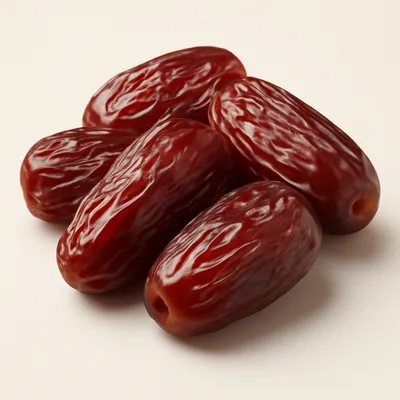
How it's made
14 steps · 20 min active + 10 min waiting
- 17 min
Source: 100 g Saudi qahwa beans (lightly-roasted Arabica beans — the green amber color, not dark espresso). If unavailable, lightly toast green Arabica beans in a dry pan 5-7 min until pale amber-yellow (not brown).
Watch outToast the beans only to a pale amber-yellow — stop before they brown, or the brew turns bitter and dark.
- 25 min
Cool the beans; grind coarsely (similar to French press grind — not as fine as espresso).
- 32 min
Crack 15 green cardamom pods to expose the seeds; you'll add them whole during brewing.
- 46 min
Optional: prepare 1/4 tsp saffron threads; soak in 1 tbsp warm water for 5 min. Optional: 2 whole cloves.
- 54 min
In a brass dallah (or stainless-steel pot with a spout), bring 1.5 L water to a boil.
- 61 min
Add 4 tbsp coarsely-ground Saudi qahwa beans + the cracked cardamom pods + (optional) cloves; reduce heat to low.
- 79 min
Simmer 8-10 min — the coffee should turn pale-amber-yellow (not brown).
Watch outThe simmering coffee should turn pale amber-yellow, not brown — that pale color is the whole point.
- 86 min
Off heat; add the saffron water (if using) + 1 tbsp rose water (optional). Let stand 5 min to settle.
- 91 min
Optional: pour the qahwa back and forth between two pots to froth and aerate.
- 102 min
Carefully decant into a clean dallah, leaving the grounds and pods behind.
- 111 min
To serve: hold the dallah in your LEFT hand. With the finjan cup in your RIGHT hand, pour about 25-30 ml into the cup (cups should only be 1/3 to 1/2 full — never to the brim).
- 121 min
Offer to the most-honored guest first. The guest receives the cup with the RIGHT hand. After finishing, the guest extends the cup back to the host for refill.
- 131 min
Continue refilling 1-3 times per guest. The guest signals 'enough' by gently shaking the empty cup horizontally (this is the universal Bedouin sign for 'no more').
- 144 min
Accompany with: dates (Medjool, Khalas, Ajwa, Sukkari varieties), ma'amoul cookies, baklava, or fresh fruit. The dates' sweetness perfectly balances the qahwa's bitterness.


