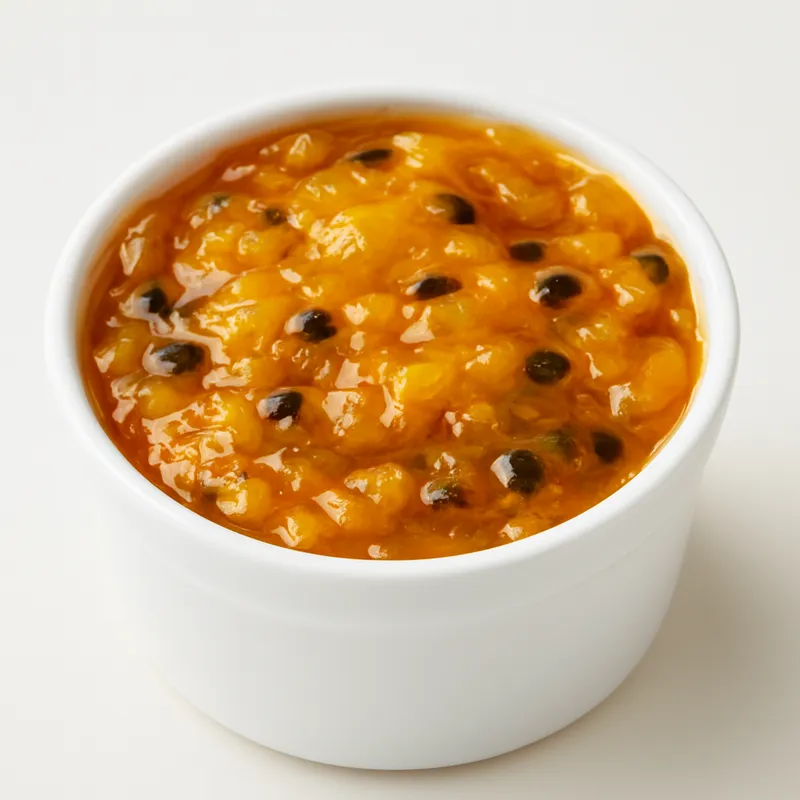
A quick desert curry that turns a pantry of papad into a dish — no fresh vegetable required. Papadums are broken into pieces and simmered briefly in a tangy gravy of besan-thickened yogurt or buttermilk, sharpened with a tadka of cumin, mustard, garlic and chili. The papad softens just enough to soak up the sauce while keeping a faint chew, making a savory accompaniment to roti or rice from almost nothing.

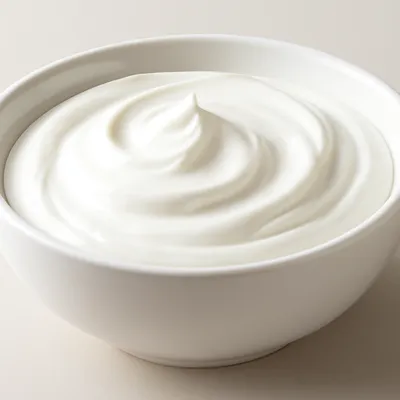

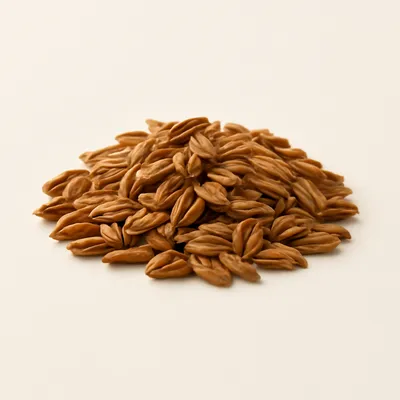


Papad ki sabzi belongs to Rajasthan's repertoire of 'no-vegetable' curries, born of a desert climate where fresh produce was scarce and dishes were improvised from dried and shelf-stable staples. Papad — thin sun-dried wafers of gram flour or lentil — keeps indefinitely, and turning it into a simmered sabzi was a way to put a vegetable-style course on the thali during the dry months when nothing green was at hand. It shares this resourceful logic with the region's other besan and dried-ingredient dishes such as gatte ki sabzi and ker sangri, all built on what the dry land could store rather than grow fresh.
Pale yellow and lightly tart, thin enough to spoon. The papad pieces sit somewhere between crisp and tender — the edges that meet the gravy turn soft and slippery while thicker centers hold a gentle bite, and they carry the lentil-and-spice flavor of the wafer itself. The tadka brings warmth and a hit of garlic; a roasted papad crumbled on top at the end adds crunch against the soft. It is comfort food in the plainest sense, quick and homely rather than rich.
Timing is the whole trick: papad dissolves in liquid if left too long, so it goes in near the end and simmers only a minute or two — long enough to hydrate and soak up flavor, not so long that it disintegrates into the gravy. A besan slurry thickens the yogurt or buttermilk base and, as in any kadhi, the yogurt must be heated with constant stirring so the proteins do not curdle and split. Roasting the papad first deepens its flavor and helps the pieces keep a little structure; the finishing tadka, bloomed hot in ghee, layers aroma over the mild sour base.
Variations
Some households build a tomato-and-yogurt gravy; the strictly desert version uses only buttermilk and besan with no tomato at all. Garlic-and-chili papad makes a spicier sabzi, while plain papad keeps it mild; a few cooks add a pinch of kasuri methi at the finish. Where even buttermilk was short, a thin besan-water gravy stood in. It is most at home alongside bajra roti or steamed rice.
On the Palate
Where Papad Ki Sabzi sits in the Indian flavor cloud
Ingredients
Serves 4



How it's made
6 steps · 10 min
- 14 min
Roast the papadums lightly over a flame or in a pan, then break them into bite-size pieces.
- 23 min
Whisk yogurt or buttermilk with gram flour, turmeric, chili and salt into a smooth, lump-free mixture.
- 34 min
Heat ghee and temper cumin, mustard seed, slit green chili and crushed garlic until fragrant.
- 46 min
Pour in the yogurt mixture with a little water and bring to a gentle simmer, stirring constantly so it does not split.
Watch outStir the yogurt base constantly as it heats — stop and the proteins curdle and the sauce splits.
- 52 min
Drop in the papad pieces and simmer just 1 to 2 minutes until softened but still holding shape.
Watch outDrop the papad in for only a minute or two — left longer it dissolves into the gravy and vanishes.
- 61 min
Finish with chopped coriander and a crumble of roasted papad, and serve hot with roti or rice.
Archive tool suggestions — not reviewed
These legacy suggestions have not been evidence-reviewed and are not presented as required tools.