Black chickpeas slow-cooked in a dark, roasted-coconut masala — the canonical breakfast partner to Kerala's steamed puttu. The curry's depth depends entirely on the varutharacha technique: grated coconut dry-roasted with whole spices until deep amber, then ground to a paste that stains the chickpeas nearly black. From roadside stalls to five-star hotels, it appears on every Kerala breakfast table.





Black chickpeas have been cultivated on the Indian subcontinent for millennia, appearing in ancient agricultural texts, and along Kerala's trade routes they became a protein staple for ordinary households across the Malabar coast. The varutharacha method — in which coconut and whole spices are dry-roasted until oil begins to seep from the coconut before grinding — developed within Kerala's vegetarian cooking as a technique for building a dark, complex gravy without cream or tomato, and Kadala Curry became its most enduring expression. The pairing of black chickpea curry with steamed puttu rice cake is documented as a fixed breakfast unit in Kerala across generations, made weekly in most households and prepared for festivals including Vishu. The pressure cooker's arrival in mid-twentieth-century Kerala households cut the overnight-soaked chickpea's long stovetop cook from two or more hours to under twenty minutes, extending the dish from a festival and weekend preparation into an everyday morning routine.
Dense, earthy chickpeas coated in a thick, near-black coconut gravy — the roasted-coconut's toasted depth meeting the chickpeas' mineral sweetness, lifted at the end by a sharp tempering of mustard seeds and curry leaves. Broken over steamed puttu, the curry melts into the rice cylinders within seconds.
Overnight soaking hydrates the black chickpeas, softening the seed coat and allowing interior starch granules to absorb water; pressure cooking at around 120°C rapidly gelatinizes this starch, yielding a creamy, mealy interior while the skins remain intact. Dry-roasting coconut drives off moisture and initiates Maillard browning of the coconut's sugars and amino acids, generating the dark pigments and intense nutty flavor that define the curry's color. Grinding the roasted coconut ruptures oil-bearing cells, releasing fat that forms a semi-emulsified paste and thickens the curry without added starch. Kerala garam masala's fennel and mace contribute sweet anise-adjacent volatiles that round off the bitterness of the deep-roasted coconut.
Variations
Varutharacha style with dry-roasted coconut paste — the most common and darkest version; lighter version using fresh coconut milk in place of roasted coconut; semi-dry version cooked down to a thick, clingy masala rather than a gravy; served with appam, idiyappam, or parotta as alternatives to puttu.
On the Palate
Where Kadala Curry sits in the Indian flavor cloud
Ingredients
Serves 4

How it's made
9 steps · 20 min
- 1480 min
Soak black chickpeas in plenty of cold water overnight (8-12 hours); drain and rinse well.
- 220 min
Pressure cook the drained chickpeas with salt and enough water to cover by 2 inches for 4-5 whistles (about 20 minutes); set aside with the cooking liquid.
- 310 min
Dry-roast grated coconut with fennel seeds, black peppercorns, dried red chilies, and a cinnamon stick over low heat, stirring constantly, until deep amber and fragrant (8-10 minutes); do not let it burn.
Watch outRoast the coconut low and slow to deep amber, stirring constantly — that dark toast is where the curry's colour and nutty flavour come from, but a shade too far and it turns bitter.
- 45 min
Cool the roasted coconut mixture and grind with minimal water to a smooth, thick paste; set aside.
- 58 min
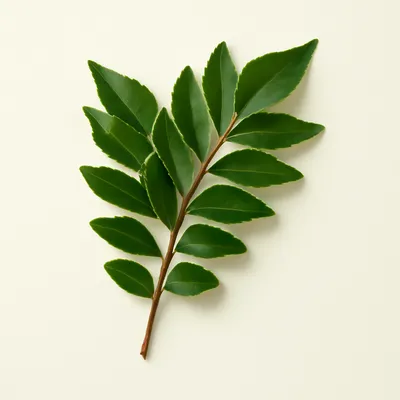
Heat coconut oil in a heavy-bottomed pan; add mustard seeds and wait for them to pop; add dried red chilies and curry leaves, then sliced onion, green chilies, ginger, and garlic; sauté until the onion turns deep golden.
- 65 min
Add chopped tomatoes and cook on medium heat until completely soft and oil separates at the pan's edges.
Watch outCook the tomato down until oil beads at the pan's edges — that separation means the base is cooked out and ready for the chickpeas.
- 75 min
Add the pressure-cooked chickpeas along with their cooking liquid; stir in the roasted coconut paste and bring to a gentle simmer.
- 812 min
Simmer on medium-low for 10-12 minutes, adjusting consistency with water; taste and correct salt; the gravy should coat the back of a spoon.
Watch outSimmer until the gravy coats the back of a spoon — too thin and it's watery, too thick and the roasted coconut turns pasty.
- 93 min
Finish with a drizzle of coconut oil and a pinch of Kerala garam masala; scatter fresh curry leaves on top and serve hot with puttu or appam.