A beloved Cuttack-Bhubaneswar street snack: spongy urad-dal lentil fritters (bara) are served soaked in or alongside a thick, spiced curry of yellow peas (ghuguni), topped with onion, sev, and lemon. It is the warming heart of the Odia winter street stall, and a sibling of dahi bara aloodum.


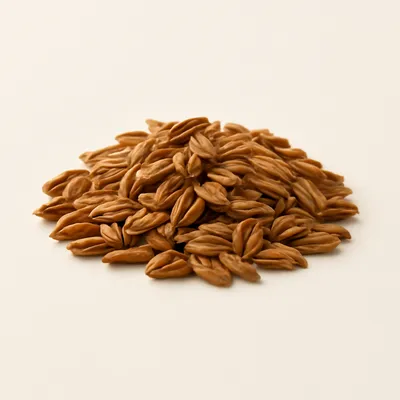
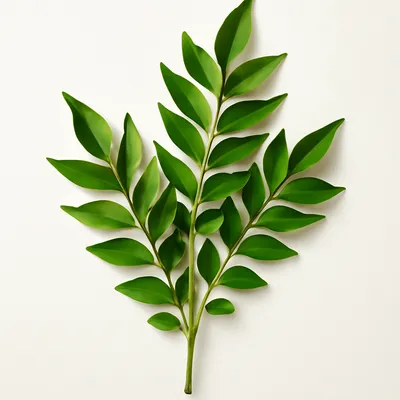

Bara ghuguni is an everyday street snack of Odisha, especially of the Cuttack-Bhubaneswar-Puri corridor, where roadside stalls fry fresh urad-dal baras through the morning and ladle a thick yellow-pea curry over them. Its two parts each have older roots: the bara is the Odia form of the pan-Indian urad-dal vada (close to the medu vada), and the ghuguni is a dry-style yellow-pea (or white-pea) curry tempered with cumin, curry leaf, and ginger — a dish shared across eastern India. The combination, served hot with chopped onion, sev, and lemon, is the quintessential Odia comfort snack, closely related to the better-known dahi bara aloodum in which yogurt and potato curry are added. It is a winter specialty, when the pea curry's warmth and the fresh-fried bara are most welcome, and it is sold from decades-old stalls whose names — Dandapani, Kalia Bhai — are local landmarks.
A spongy, just-fried lentil cake drinking in a thick, warmly spiced pea curry, with the crunch of sev and raw onion cutting through.
The interplay depends on the bara's porosity and the ghuguni's body. The urad-dal batter, ground fluffy and aerated by fermentation or vigorous beating, traps air that expands in the hot oil to form the sponge-like interior; when the fried bara meets the warm pea curry, that porous structure wicks the curry inward by capillary action, softening the fritter while carrying the spice throughout. The ghuguni is thickened not by any flour but by the starch released from the cooked and broken yellow peas, whose cell walls rupture under long cooking; this gives the curry a body that clings to the bara. A final tempering of cumin and curry leaf in hot oil delivers the lipid-soluble aromatics at the moment of serving, and the raw onion and sev added on top supply a fresh, crunchy contrast to the soft mass beneath.
Variations
The dahi bara aloodum ghuguni combo layers yogurt and potato curry on top; some stalls add a sweet tamarind chutney, and a chicken or mutton ghuguni is a richer non-vegetarian form.
On the Palate
Where Bara Ghuguni sits in the Indian flavor cloud
Ingredients
Serves 4

How it's made
6 steps · 20 min
- 18 min
Soak urad dal, grind to a fluffy batter with ginger and green chili, and ferment briefly.
- 28 min
Soak yellow peas overnight, then boil with turmeric and salt until soft.
- 36 min
Shape the batter into ringed vadas and deep-fry until golden and spongy.
Watch outFry the vadas until golden and spongy inside — that airy porous crumb is what soaks up the pea curry later; dense ones stay hard and don't drink the sauce.
- 410 min
Temper cumin, curry leaves, onion, ginger-garlic, and chili in oil, then add the boiled peas and a little water to make a thick curry.
Watch outSimmer the boiled peas until they break down and thicken the curry on their own starch — that clinging body is what makes it coat the baras; no flour needed.
- 54 min
Place hot baras in a bowl and ladle the ghuguni over them.
- 62 min
Top with chopped onion, sev, coriander, and a squeeze of lemon, and serve immediately.


