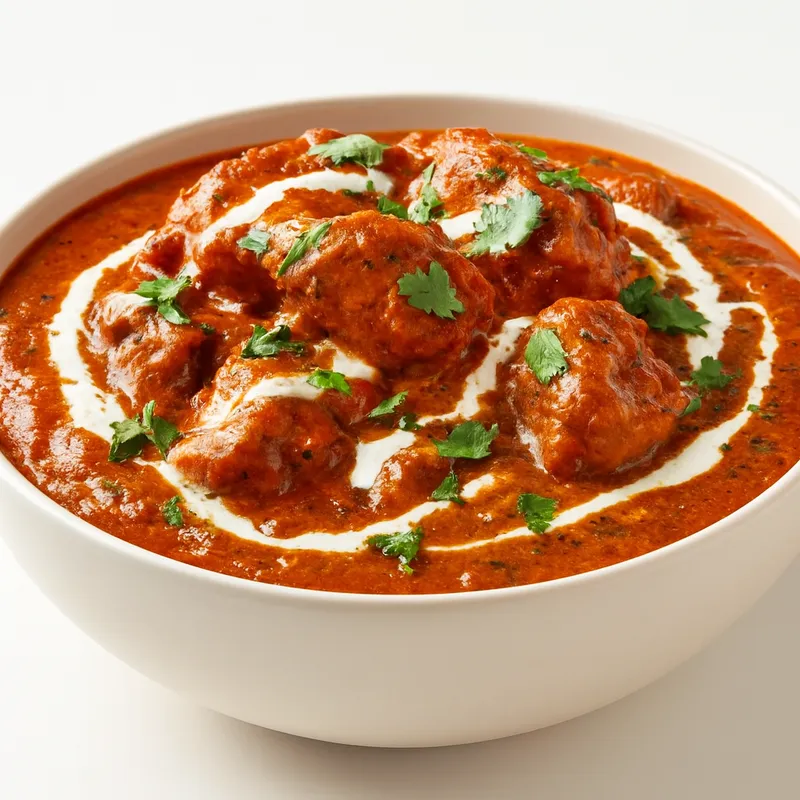
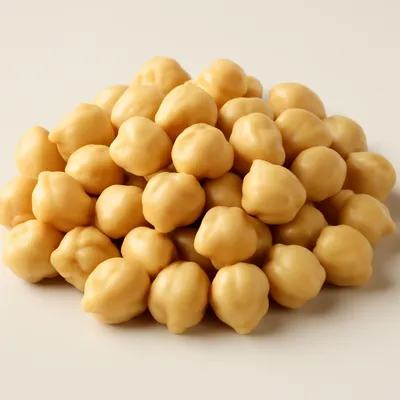
Sundal is a Tamil Nadu festival staple of boiled legumes — chickpeas, black-eyed peas, green moong, or peanuts — tempered in hot oil with mustard seeds, dried red chili, curry leaves, and asafoetida, then finished with grated fresh coconut. It is the ritual prasad of Navratri golu (the nine-night doll festival), with a different legume prescribed for each of the nine days.



Boiled and spiced legume offerings to temple deities are among the oldest documented elements of Tamil devotional practice; classical Sangam poetry (c. 300 BCE–300 CE) references cooked legumes in festival contexts. The nine-day Navratri golu custom — presenting painted clay figurines on tiered shelves and distributing a different prescribed legume as prasad on each of the nine days — is a distinctly Tamil observance, its codified day-by-day sequence (black chickpeas on the first night, green moong, field beans, peanuts, and others rotating across all nine) documented in temple and household manuals from the medieval Bhakti period onward. South Indian culinary scholarship places the tadka tradition — oil-popping mustard seeds with dried chili and asafoetida, then tossing boiled pulses in the infused fat — at the core of Tamil vegetarian cooking, continuous across temple kitchens and domestic hearths.
Tender but intact legumes with a gentle chew, coated in aromatic coconut-scented oil; the quick bite of mustard and dried chili gives way to the clean sweetness of fresh coconut shred.
Prolonged soaking fully hydrates the legume's cell walls; pressure cooking at around 120°C drives starch gelatinization (complete between 60–80°C depending on the legume) and softens pectin in cell walls, yielding a tender texture without bursting the outer skin. Tempering works by dissolving fat-soluble flavor compounds: as mustard seeds hit hot oil, surface moisture flashes to steam and glucosinolates break down into pungent isothiocyanates. Asafoetida's sulfur-containing organics — primarily diallyl disulfide — dissolve readily in the hot oil and coat every legume surface, masking beany aroma. Dried chilies release fat-soluble capsaicin and capsorubins inaccessible in water-based cooking. Fresh coconut's lipids and residual sugars interact lightly with the warm legume surface in a mild Maillard reaction, adding a faint nutty depth.
Variations
The nine-day Navratri cycle uses black chickpeas, green moong, field beans (mochai), cowpeas (karamani), peanuts, horse gram, and dried peas in rotating sequence. Coastal Tamil households add grated raw green mango for tartness. A Brahmin household variant omits onion and increases asafoetida. Chettinad versions cook the coconut down into the legumes rather than folding it in fresh.
On the Palate
Where Sundal sits in the Indian flavor cloud
Ingredients
Serves 4

How it's made
7 steps · 15 min
- 1480 min
Rinse dried chickpeas (or the day's prescribed legume) and soak in plenty of cold water for 8 hours or overnight.
- 215 min
Drain the soaked chickpeas; pressure cook with enough water and a pinch of salt for 3–4 whistles on medium heat until tender but not mushy.
Watch outPressure-cook the chickpeas until tender but still holding their shape — mushy legumes fall apart in the toss and turn the sundal to paste.
- 35 min
Drain the cooked chickpeas well and spread on a kitchen towel for a few minutes to remove excess moisture.
- 42 min
Heat oil in a wide, heavy pan over medium heat; add mustard seeds and wait until they splutter and pop.
Watch outWait for the mustard seeds to splutter and pop before the rest goes in — that pop means the oil's hot enough to release their pungent aroma.
- 51 min
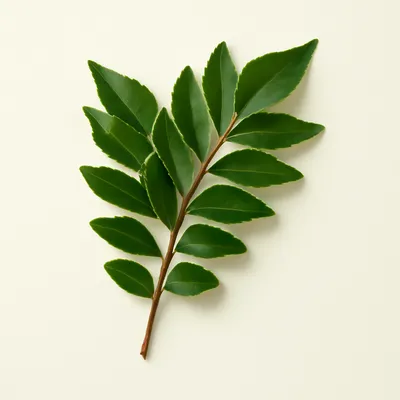
Add the dried red chili, curry leaves, and asafoetida; fry for 30 seconds until the curry leaves crisp and the aromatics are fragrant.
- 63 min
Add the drained chickpeas and toss to coat evenly with the tempered oil; cook for 2–3 minutes, stirring frequently.
- 72 min
Remove from heat, fold in grated fresh coconut and adjust salt; serve warm or at room temperature.