
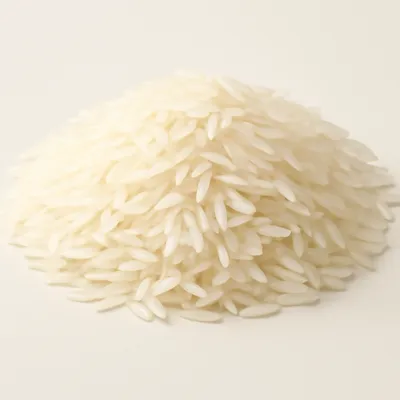
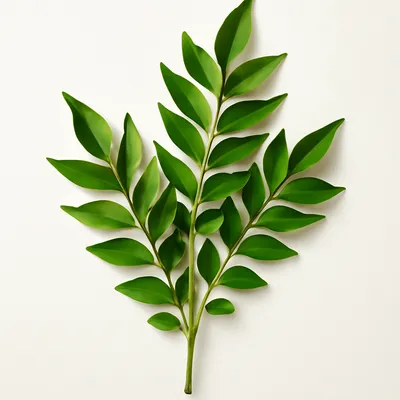
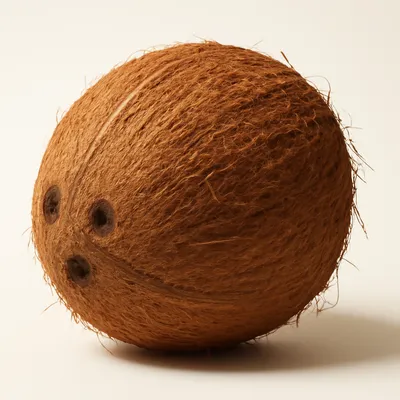
Small, golden, round dumplings cooked in a heavy dimpled cast-iron or brass pan whose wells give each ball a crisp, browned shell and a soft, steamy middle. The batter is the same fermented rice-and-urad-dal mix used for idli and dosa, which makes Kuzhi Paniyaram a thrifty way to finish off leftover batter. The savoury version is stirred through with a tempering of mustard seeds, dal, curry leaves, green chili, onion and ginger, sometimes with bits of coconut; a sweet version leans on jaggery, cardamom and banana. A staple Tamil tiffin closely tied to Chettinad kitchens, it is served hot with coconut or tomato chutney.



Kuzhi Paniyaram belongs to a wide family of South Indian batter dumplings rather than to any single inventor or date. In Tamil, kuzhi means a pit or hollow, naming the dimpled pan—the kuzhi paniyaram kal or chatti—while paniyaram is a general word for a cooked batter cake; the dish is most strongly associated with Chettinad and broader Tamil tiffin cooking. Because the base is ordinary fermented idli-and-dosa batter, the dish grew up as a household way to use up batter left over from a morning's idlis, dressed up with a savoury tempering or sweetened with jaggery. The same wells-pan and fermented rice-lentil batter recur across the region under different names: paddu or guliyappa in Karnataka, gunta ponganalu in Andhra and Telangana, and appe in Maharashtra, each tuned to local tempering and palates.
You bite through a thin, crackly shell into a hot, airy crumb that pulls apart in soft threads. The fermented batter carries a gentle sour tang underneath; mustard seeds pop with a faint nuttiness, curry leaf turns toasty and green chili leaves a slow warmth at the back. Onion goes sweet and soft inside, and a coconut chutney on the side answers the crisp edges with something cool and creamy.
An overnight ferment does the heavy lifting: wild lactobacilli and yeast sour the rice-and-urad-dal batter while throwing off carbon dioxide, so the mix is already tangy and inflated with bubbles before it ever hits the pan. Urad dal's mucilaginous proteins trap that gas, giving the dumplings their lift and soft, spongy interior. The dimpled pan is the other half of the trick—each oiled well bakes the batter from all sides at once: the metal sears the contact surface into a thin Maillard-browned, crisp shell, while steam from the wet batter inflates and gently cooks the core, and a flip browns the second face. A thread of mustard, dal and curry leaf bloomed in hot oil layers in aroma without weighing the batter down.
Variations
The everyday savoury (kara) version folds a mustard-dal-curry-leaf tempering with onion, green chili and ginger into the batter, sometimes with grated coconut; a sweet version swaps in jaggery, cardamom, coconut and mashed banana, often built on a plainer rice-jaggery batter. The same wells-pan dish reappears across the south under its own names: paddu or guliyappa in Karnataka, gunta ponganalu in Andhra and Telangana, and appe in Maharashtra—each with its own tempering, sometimes leftover-rice based rather than fresh batter.
On the Palate
Where Kuzhi Paniyaram sits in the Indian flavor cloud
Ingredients
Serves 4

How it's made
8 steps · 20 min
- 115 min
Soak idli rice and urad dal (with a little chana dal) separately for 4 to 6 hours, then grind to a thick, smooth batter and combine with salt.
- 2480 min
Cover and let the batter ferment in a warm spot overnight, about 8 hours, until it rises and smells pleasantly sour.
Watch outFerment overnight until the batter rises and smells pleasantly sour — that rise is the wild yeast inflating it with gas, and without it the dumplings bake dense instead of spongy.
- 38 min
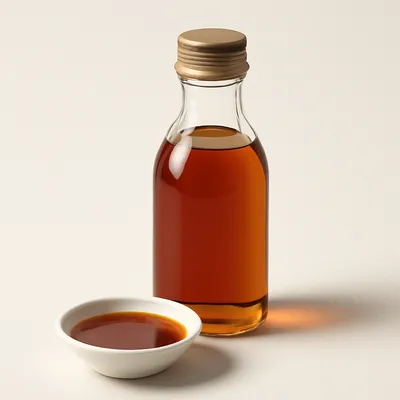
Heat a little sesame oil and crackle mustard seeds, urad and chana dal, then add curry leaves, green chili, ginger and onion; saute until the onion softens.
- 43 min
Stir this tempering, along with optional grated coconut, into the fermented batter; it should drop thickly from a spoon.
- 52 min
Heat the dimpled paniyaram pan over medium heat and brush a few drops of oil into each well.
- 68 min
Spoon batter into each well until about three-quarters full and cook undisturbed until the bottoms are crisp and golden.
Watch outCook undisturbed until the bottoms are crisp and golden before you flip — nudge them early and they stick and tear instead of releasing clean.
- 76 min
Flip each ball with a skewer or spoon, add a touch more oil, and brown the second side until cooked through.
- 82 min
Lift out the paniyaram and serve hot with coconut or tomato chutney.
Archive tool suggestions — not reviewed
These legacy suggestions have not been evidence-reviewed and are not presented as required tools.


