
Sattu paratha is the everyday Bihari stuffed flatbread: whole-wheat dough wrapped around a spiced filling of roasted gram flour (sattu) sharpened with mustard oil, garlic, ginger, ajwain and a spoon of pickle masala, then rolled and griddle-cooked until blistered. The sattu inside stays dry and crumbly and carries a deep roasted-nut flavour, while the outside crisps on a hot tawa with ghee. It is a hot-weather and travel food — filling, protein-rich and good cold — usually eaten with curd, pickle and raw onion.




The paratha is a pan-North-Indian griddle bread, but stuffing it with sattu is distinctly Bihari and eastern Uttar Pradesh, where roasted gram flour has been a household staple for centuries. Sattu's value in this region was always its convenience: a pre-roasted flour that needs no cooking and travels well, ideal for binding into a quick filling for working people and for the brutal Gangetic summers when heavy cooking is avoided. The dish carries no single origin story; it grew out of everyday thrift in Bihari kitchens, where the same sattu also becomes a cold drink and the filling for litti.
A blistered, ghee-flecked flatbread that flakes and tears, giving way to a dry, sandy, deep-savoury sattu filling. The filling crumbles rather than oozes — there is nothing wet inside — and it hits with mustard oil pungency, raw garlic and ginger heat, the medicinal warmth of ajwain and a sour, salty tang from the pickle masala. Against the plain wheaty bread and a cool spoon of curd, the spiced sattu is intensely flavoured. Best eaten hot off the tawa, though it stays good packed cold.
The filling works because sattu is already roasted: milling parched gram develops nutty flavour and removes raw starch, so it needs no further cooking and simply has to be moistened and seasoned. Crucially the filling is kept barely damp — too much liquid turns it pasty and makes the paratha split while rolling — so mustard oil and lemon bind it just enough while keeping it crumbly. The bread is cooked on a dry-then-greased tawa over high heat: rapid surface dehydration and Maillard browning give the blisters and the flaky, slightly crisp shell, while the sattu inside, sealed from steam, stays dry. Resting the dough relaxes the gluten so it rolls thin around the filling without tearing.
Variations
Households vary the filling's heat and sourness — more green chilli, more pickle oil, or a little chopped onion and coriander. Some add nigella seeds or a pinch of carom-heavy spicing. The same spiced sattu fills litti, where it is roasted over coals instead of griddled. It is commonly served alongside aloo bharta or baingan chokha, with curd and a sharp mango or chilli pickle; a version without the stuffing, simply dusted, is sometimes made for children.
On the Palate
Where Sattu Paratha sits in the Indian flavor cloud
Keep the sattu filling barely damp: because the gram flour is already roasted it needs no cooking, only enough mustard oil and lemon to bind it crumbly — too wet and it turns pasty and splits the paratha as you roll.
Ingredients
Serves 4
How it's made
6 steps · 30 min
- 122 min
Knead whole-wheat flour with salt, a little oil and water into a soft, pliable dough; rest 20 minutes.
- 210 min
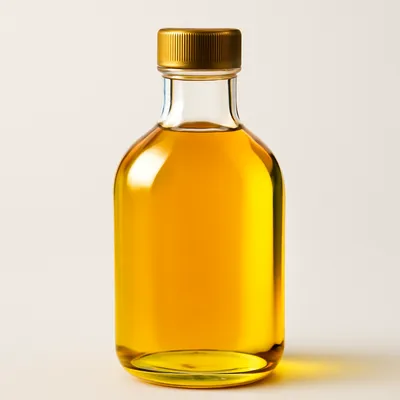
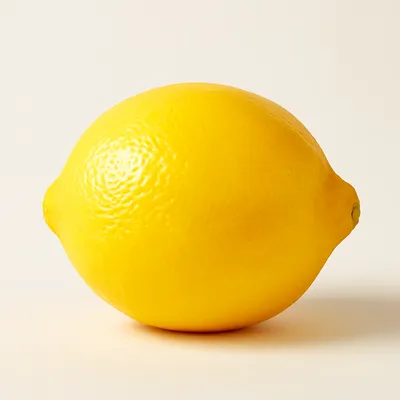
Combine roasted gram flour with mustard oil, minced garlic, grated ginger, chopped green chilli, ajwain, pickle masala, lemon juice, chopped coriander and salt into a just-moist, crumbly filling.
Watch outThe filling should just hold together when squeezed in your fist yet fall apart when released — that's the right barely-damp point.
- 38 min
Divide dough into balls; roll one out, place a mound of sattu filling in the centre, gather the edges over it and seal into a stuffed ball.
- 46 min
Gently roll the stuffed ball into a round paratha, dusting with flour, taking care not to let the filling break through.
Watch outRoll slowly; the moment you see a damp patch or filling showing through, stop pressing there.
- 510 min
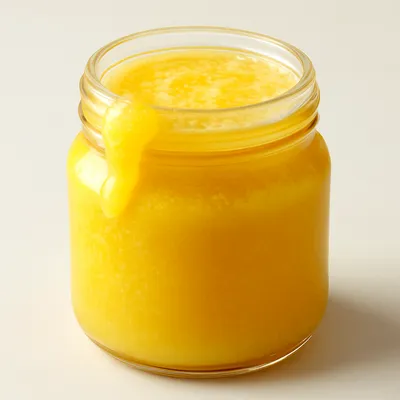
Cook on a hot tawa, turning once, until brown blisters appear, then brush both sides with ghee and crisp.
Watch outWait for brown blisters to puff up before brushing with ghee — that's when the shell crisps.
- 63 min
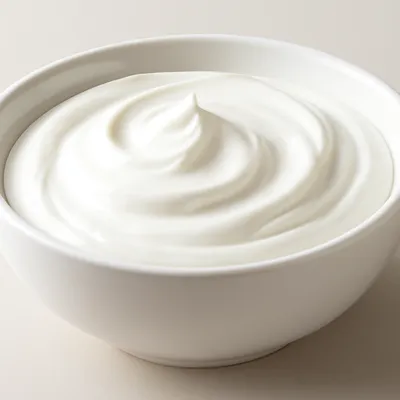
Serve hot with curd, pickle, raw onion and a green chutney.
Archive tool suggestions — not reviewed
These legacy suggestions have not been evidence-reviewed and are not presented as required tools.


