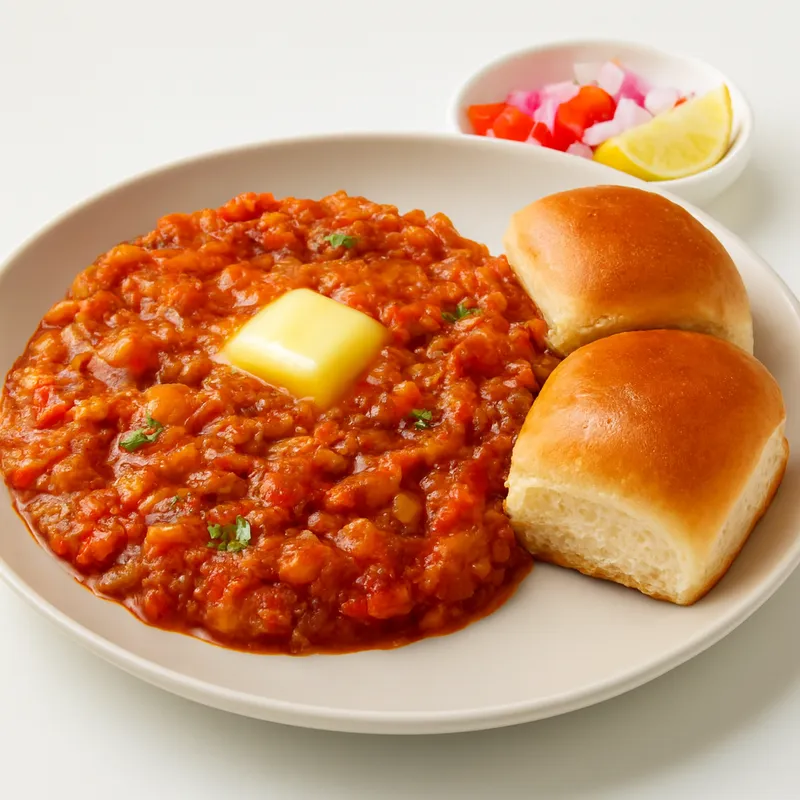
Sabudana khichdi is a Maharashtrian dish of sago (tapioca) pearls tossed with peanuts, potato and mild spices, eaten above all on Hindu fasting days. Despite the name khichdi it contains no rice or lentils: instead the pearls are soaked until they soften and swell, then stir-fried in ghee with cumin, green chilli, cubed potato and a generous amount of coarsely crushed roasted peanuts. Cooked well, the sago turns glossy and separate rather than sticky, and the dish is finished with lemon and coriander. It is a classic upvas (fasting) food across Maharashtra, also eaten as a regular breakfast or snack.




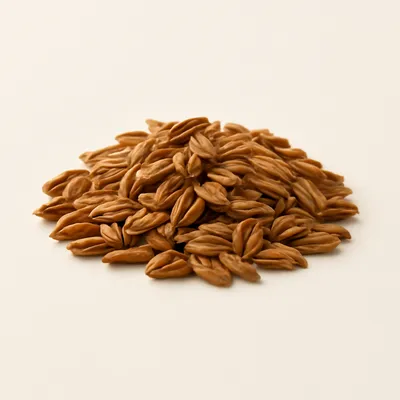

Sago itself is foreign to India: tapioca (cassava) was carried from the Americas by Portuguese traders and took hold as a hardy famine crop, notably in 19th-century Travancore, while the small pearl form known as sabudana was established by pearl factories around Salem in Tamil Nadu in the 1940s. The dish became woven into Maharashtrian fasting practice because cassava is a root, not a cereal, so its pearls are permitted on Hindu fast days (vrat or upvas) when grains and pulses are avoided; high in starch and quick to cook, they made an ideal energy-rich fasting food. Built up with peanuts and potato — both also fast-friendly — sabudana khichdi spread from Maharashtra across western and central India.
A plate of separate, glistening, pearly-translucent beads, pale and faintly sticky, studded with golden potato and split peanuts. Each pearl is soft and bouncy with a slight chew at the centre, slicked in ghee; the peanuts add crunch and a nutty richness, the green chilli a clean heat, and lemon a bright sourness over the top. Eaten hot, often with a spoon of cooling yogurt alongside. Cooked badly the pearls clump into a sticky lump — the mark of a good cook is keeping them loose and distinct.
The trick of sabudana khichdi is hydrating the pearls correctly. Sabudana is almost pure tapioca starch; rinsed to wash off loose surface starch and soaked in just enough water (the pearls roughly doubling in size) for several hours, each bead absorbs water all the way to its centre and swells without dissolving. Too much water or too long a soak gelatinises the outsides into glue; too little leaves hard, chalky cores. Properly soaked and drained pearls, tossed briefly in hot ghee, turn translucent and stay separate because there is no excess free starch to bind them. The crushed peanuts are not just seasoning — their fat and rough texture coat the pearls and help keep them from sticking.
Variations
Families differ on sweetness and sourness: some add a pinch of sugar to balance the lemon in the Maharashtrian manner, others keep it plain and tangy. The same soaked pearls are made into sabudana vada, deep-fried spiced patties, and into sabudana kheer, a sweet milk pudding; dahi sabudana folds the cooked pearls into yogurt for a cooling fasting dish. Because it is a fast food, fasting cooks use rock salt (sendha namak) in place of ordinary salt and keep to fast-permitted ingredients throughout.
On the Palate
Where Sabudana Khichdi sits in the Indian flavor cloud
Ingredients
Serves 3

How it's made
6 steps · 5 hours
- 1300 min
Rinse the sago pearls until the water runs clear, then soak in just enough water to cover for 5 to 6 hours or overnight until soft.
Watch outSoak the pearls in just enough water to cover — too much or too long gelatinizes their outsides to glue, too little leaves hard chalky cores.
- 25 min
Drain the soaked pearls well and fluff them, mixing in the crushed roasted peanuts and salt.
- 34 min
Heat ghee and temper cumin seeds and chopped green chilli until fragrant.
- 46 min
Add the cubed potato and saute until cooked through and lightly golden.
- 55 min
Tip in the peanut-coated sago pearls and toss gently over heat until they turn translucent and glossy.
Watch outToss the drained pearls just until they turn translucent and glossy and stay separate — over-stir and they clump into a sticky mass.
- 63 min
Finish with lemon juice and chopped coriander, and serve hot, with yogurt if liked.
Archive tool suggestions — not reviewed
These legacy suggestions have not been evidence-reviewed and are not presented as required tools.