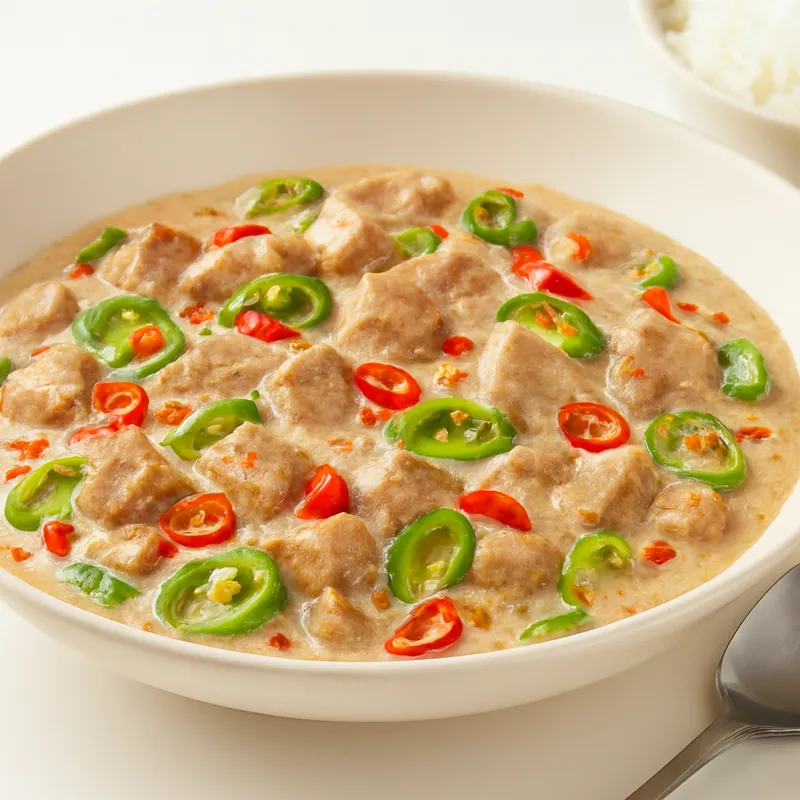
Food for the Gods is a dense, chewy Filipino bar studded with chopped dates and walnuts, set on a buttery brown-sugar batter much like a butterscotch blondie. Baked in a tray and cut into squares or fingers, the bars are rich, sticky, and deeply caramelized. They are a Christmas gift-giving staple, wrapped one by one in bright cellophane and given in boxes during the holidays. Eaten year-round as merienda with coffee, they are at their most festive in December.
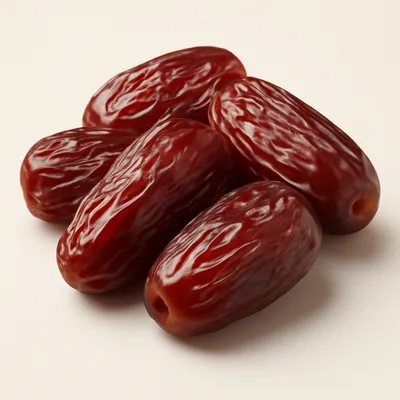





The exact origin of Food for the Gods is uncertain, and it is not native to the Philippines. A "food for the gods" pudding made with dates and walnuts appears in an early American community cookbook of 1909, and the Filipino bar is variously traced to American date bars or to a Spanish date-and-walnut cake; the American version likely arrived through the home-economics teaching of the American colonial period (1898–1946). The grand name is usually explained by the cost of its ingredients: dates and walnuts were imported luxuries few could afford, so a sweet made from them was, half-jokingly, fit for the gods.
Soft, sticky, and chewy in the center, with a faintly crisp edge where the brown-sugar batter caramelizes against the pan. The dates melt into jammy, honeyed pockets while the walnuts add toasty crunch and a slight bitterness that keeps the sweetness in check. It is unapologetically rich — buttery, molasses-deep, and dense rather than cakey. A small square goes a long way.
Brown sugar brings molasses, which deepens flavor and holds moisture so the bars stay chewy rather than drying out; melted butter and a low flour ratio keep the crumb dense and fudgy instead of light and cakey. In the oven the sugars caramelize at the edges through the Maillard reaction and caramelization, building the butterscotch notes. The dates are naturally high in sugar and pectin, so they soften into sticky pockets that bind the bar together.
Variations
Cashews or pecans sometimes stand in for the walnuts, and some bakers add a splash of vanilla or a pinch of cinnamon. A two-layer version sets a date-and-nut filling between sheets of the brown-sugar batter, for a more pastry-like bar. The bars are close cousins of the American date-nut bar and the butterscotch blondie, and are sold by Filipino bakeries year-round but boxed up most heavily for Christmas.
On the Palate
Where Food for the Gods sits in the Filipino flavor cloud
Ingredients
Serves 16

How it's made
8 steps · 20 min
- 18 min
Chop the dates and walnuts and lightly dust them with a little of the flour.
- 28 min
Cream the butter with brown sugar until light, then beat in the eggs.
Watch outCream the butter and brown sugar only until light — over-beating whips in too much air and the bars bake up cakey instead of the dense, fudgy chew you want.
- 35 min
Fold in the flour, baking powder, and vanilla to make a thick batter.
- 43 min
Stir in the chopped dates and walnuts until evenly distributed.
- 54 min
Spread the batter into a lined baking tray.
- 630 min
Bake in a moderate oven until set and the edges are deep golden.
Watch outBake just until set with deep golden edges — the center should stay soft and chewy, so pull it before it firms all the way through or it dries out.
- 730 min
Cool completely in the tray before cutting.
- 810 min
Slice into squares or fingers and wrap individually to serve or gift.
Archive tool suggestions — not reviewed
These legacy suggestions have not been evidence-reviewed and are not presented as required tools.