Fricandó traces to the French fricandeau — larded veal slices braised in stock — adopted into Catalan cooking probably during the 18th century when French and Catalan kitchens mixed across the Pyrenees. The Catalan version diverged through two additions: the sofregit base and the picada finish, both pre-existing medieval Catalan techniques. Moixernons (Calocybe gambosa) appear in spring around St. George's day on Pyrenees pastureland; the dried-mushroom version is the year-round form.
Catalan adaptation of French fricandeau, crossed the Pyrenees in the 18th century. Calocybe gambosa moixernons appear around St. George's day on Pyrenees pasture; the dried-mushroom soaking water is the secret stock — discard it and you've thrown away half the dish.
Veal that surrenders to the side of a fork, sauce the colour of strong tea with dark flecks of mushroom and tomato. The moixernons are doing the heavy lifting — a deep mineral-mushroom note, almost sweet, that fresh button mushrooms cannot produce. The sauce is thick but never gluey, the picada-bread crumb visible if you drag a spoon through. Eaten with bread or boiled potatoes; never rice.
Two thickeners are stacked: the flour dredge on the veal dissolves into the sauce as a roux equivalent during the 60-minute braise, and the picada bread provides starch and structure at the end. The moixernons soaking water is the secret stock — concentrated mushroom umami that no fresh mushroom version can match. Discard it and you've thrown away half the dish.
Variations
Vic version uses local veal and ratafia liqueur in the picada; Empordà cooks add tomato confit; Berguedà mountain version uses dried rovellons (saffron milk caps) when moixernons are out of season.
On the Palate
Where Fricandó amb Moixernons sits in the Spanish flavor cloud
Ingredients
Serves 4








How it's made
5 steps · 25 min
- 130 min
Soak 30g dried moixernons in 300ml warm water 30 minutes. Lift them out, squeeze gently, and reserve both mushrooms and soaking water — strain the liquid through a coffee filter to remove grit.
Watch outMoixernons hold sand in their gills — straining the soaking water is non-negotiable, or the sauce ends up gritty.
- 210 min
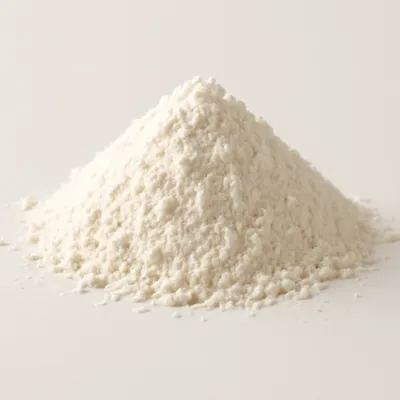
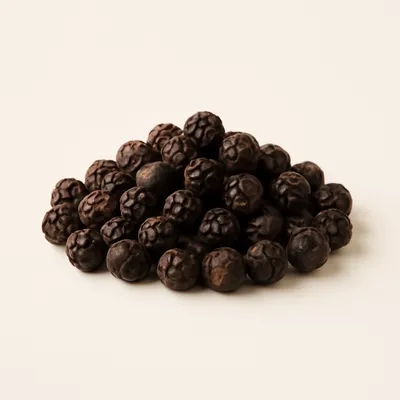
Pat dry 600g veal topside cut into 1cm slices, season with salt and pepper, dust lightly in flour. Heat 4 tbsp olive oil in a heavy casserole. Brown veal in batches, 1 minute per side. Remove.
Watch outDon't crowd the pan — meat steams instead of browns and the flour goes pasty.
- 327 min
Lower heat. Add 2 finely chopped onions and a pinch of salt. Sweat 15 minutes until soft and caramel-coloured. Add 3 grated tomatoes and reduce 12 minutes to a thick sofregit.
Watch outOnions must turn jam-dark before tomato goes in — pale onion = pale sauce.
- 465 min
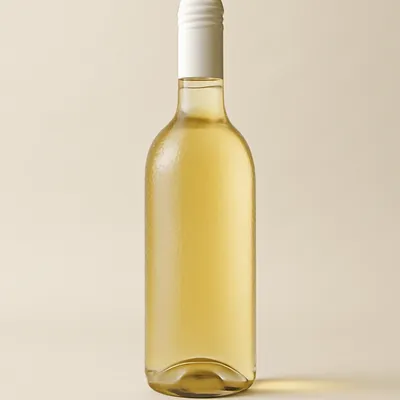
Return veal. Add moixernons, the strained soaking water, 100ml dry white wine, 200ml beef stock, and a bay leaf. Bring to a tremble, cover, and braise on the lowest possible heat 60 minutes until veal is fork-tender.
Watch outIf it boils, the veal seizes and dries. A bare tremble — bubble every 5 seconds — is the target.
- 515 min
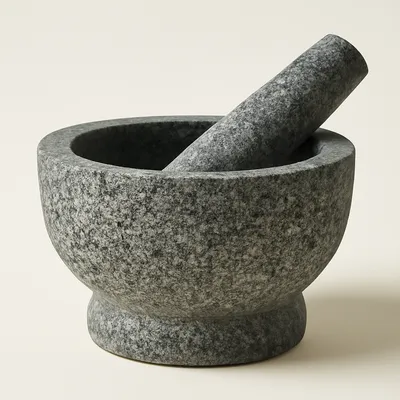
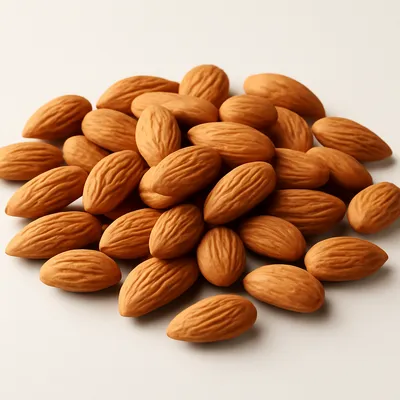
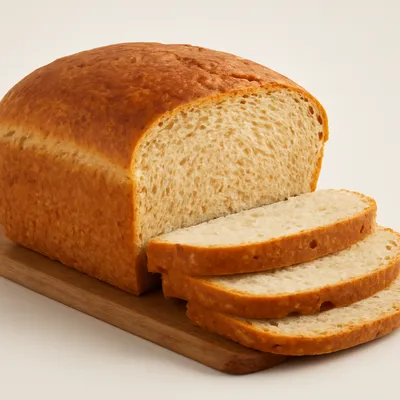
Make a small picada: pound 8 toasted almonds, 1 garlic clove, 4 sprigs parsley, and 1 fried slice of bread (toasted in a little oil) in a mortar. Loosen with 2 tbsp braising liquid. Stir into the casserole. Simmer uncovered 5 minutes — sauce thickens to coat a spoon. Rest 10 minutes before serving.
Watch outThe fried bread is the thickener — without it the sauce stays loose.
Archive tool suggestions — not reviewed
These legacy suggestions have not been evidence-reviewed and are not presented as required tools.