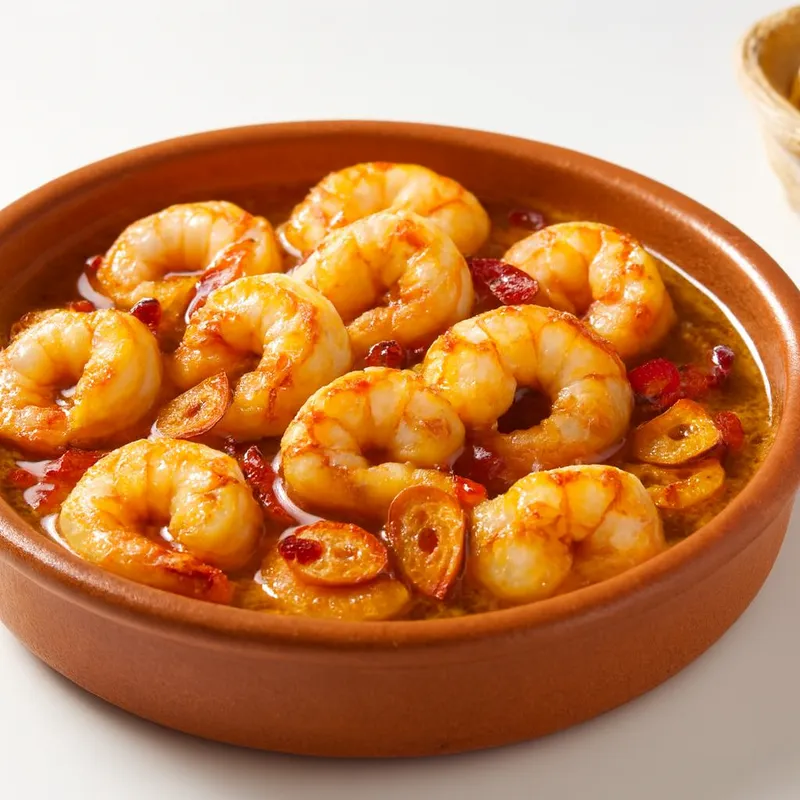
Born in mid-19th-century Valencia, in the rice paddies around Albufera lagoon — a farmer's lunch cooked outdoors over orange-wood fire, eaten communally straight from the pan with wooden spoons. Seafood paella (Paella de Marisco) and mixed paella (Mixta) came later, mostly for tourists. Adding chorizo is a deeply offensive heresy in Valencia — there's an entire Twitter account dedicated to shaming it.
A vibrant masterpiece from Valencia, paella is all about layering flavors and showcasing color. It's a feast for both the eyes and the palate.
A wide shallow steel pan (la paellera, not a stockpot) with rice in a single thin layer, finished tableside. The bottom should crackle when scraped — that's the socarrat, the toasted rice stuck to the pan, the most prized bite. Authentic Valencian has rabbit, chicken, snails, and beans — no seafood, no chorizo.
The pan's geometry is the dish. A paella pan is wide and shallow specifically so all the rice sits in one layer 1cm thick — that ratio of rice-to-pan-bottom is what produces socarrat. A deeper pot can never make paella; rice on top steams while rice on the bottom burns. Stock-to-rice ratio is also fixed: about 3:1 by volume, finished by absorption (no draining), which leaves the rice bone-dry and grain-separate.
Variations
Paella valenciana (rabbit + snails, the canonical); paella de mariscos (seafood, tourist-favorite); arroz negro (squid ink); fideuà (toasted vermicelli instead of rice); arroz al horno (oven-baked).
On the Palate
Where Paella sits in the Spanish flavor cloud
Build the socarrat — the toasted, crackling rice crust — by spreading the rice one thin layer thick in a wide pan and never stirring once the stock goes in, so the bottom caramelizes while the top steams tender.
Ingredients







How it's made
5 steps · 37 min
- 110 min
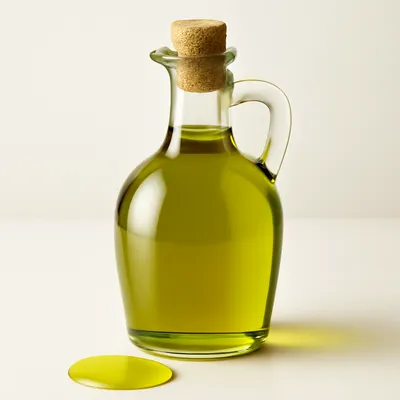
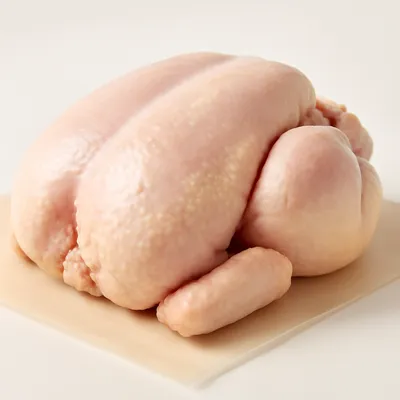
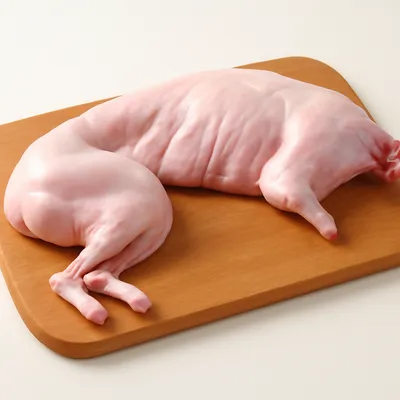
Heat olive oil in a wide, shallow paella pan over medium heat. Add chicken and rabbit pieces, searing until golden brown on all sides. Remove and set aside.
Watch outThe chicken and rabbit should turn deep golden and release easily from the pan — a good sear here builds the browned base flavor. If the meat sticks or stays pale, the oil isn't hot enough.
- 25 min
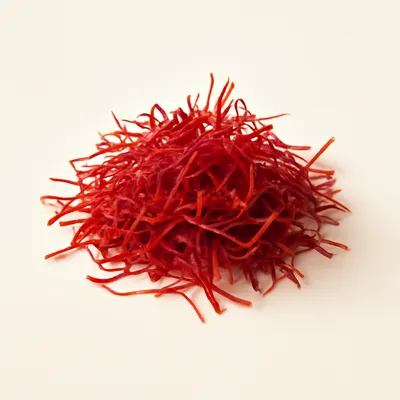
In the same pan, sauté chopped garlic and tomatoes until the tomatoes break down and the mixture becomes fragrant. Stir in saffron, allowing it to bloom in the oil.
Watch outCook the garlic and tomato down until jammy and the raw watery look is gone; when you stir in saffron it should sizzle and bloom into the oil, tinting it orange and turning fragrant.
- 35 min
Add short-grain rice to the pan, stirring to coat each grain in the tomato mixture. Pour in stock, gently shaking the pan to distribute the rice evenly.
Watch outStir the dry rice through the sofrito until every grain glistens and looks coated; then pour the stock and shake the pan level. This is the last time you touch the rice.
- 415 min
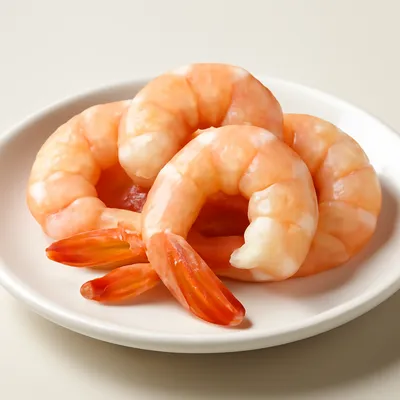
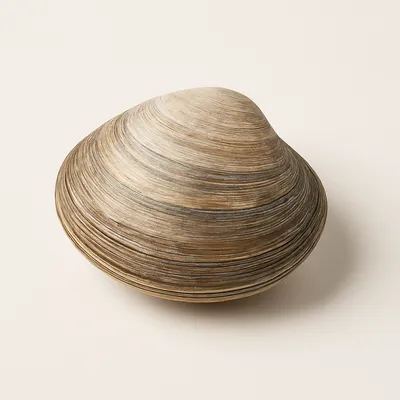
Nestle clams, shrimp, and vegetables like green beans and peas into the rice. Simmer without stirring, allowing the rice to absorb the liquid and develop a crust on the bottom.
Watch outThe surface should bubble gently and steadily, liquid sinking as the rice drinks it. Don't stir. Toward the end, tilt an ear close — a faint crackle means the socarrat is starting to form on the bottom.
- 52 min
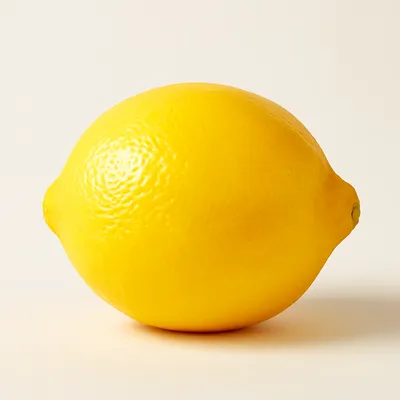
Once the rice is tender and the seafood is cooked through, remove the pan from heat. Garnish with lemon wedges and let rest for a few minutes before serving.
Watch outThe rice should be tender and bone-dry on top, grains separate, seafood just opaque. Rest a few minutes off the heat before serving so the socarrat sets and lifts cleanly when scraped.
Archive tool suggestions — not reviewed
These legacy suggestions have not been evidence-reviewed and are not presented as required tools.

A wide, shallow, two-handled steel pan, 30-50 cm across, made for one purpose: to cook paella over an open wood fire so every grain of rice gets direct contact with the metal. The wide-and-shallow profile means the rice layer is thin (1.5-2 cm), maximizing the bottom socarrat — the prized golden-brown crust. Carbon-steel pans must be dried thoroughly after washing or they rust within a day.

A heavy flat griddle, often 40-60 cm across, made from cast iron or chrome-plated steel, used in Spanish (and southern French) cooking for fast searing of seafood, meats, and vegetables. The dense metal holds 250-280°C steady; food is laid directly on the surface (no oil) and gets a deep crust without overcooking. Restaurant planchas are gas-or-electric flat-tops; the home version sits across two stovetop burners.