

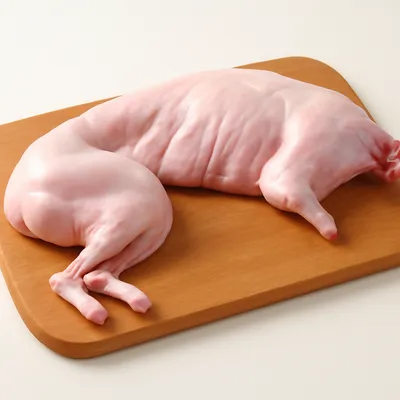




This is the original paella — invented in the Albufera marshlands south of Valencia city in the mid-19th century by farmworkers cooking over orange-wood and grapevine cuttings during midday breaks. Rabbit, snails, beans, and rice were what the field provided. The seafood paella that became globally famous is a coastal adaptation popularized in the 20th century. Local Valencians still consider 'paella valenciana' to mean specifically rabbit-chicken-snails — adding seafood is a separate dish (paella mixta or paella de mariscos).
The actual original paella — invented mid-19th century by farmworkers in the Albufera marshlands south of Valencia, cooked over orange-wood and grapevine cuttings during midday breaks. Snail mucus releases mild calcium that helps grains stay separate. No seafood. No chorizo. No peas.
Mahogany rabbit on rust-red rice, snails clinging to grain. Each bite is gamy-brown rabbit then mineral snail then orange-grove smoke from the wood fire (or its memory, in city kitchens). Bomba grains have absorbed the rabbit drippings so they taste like meat in cereal form. The socarrat at the bottom is the prize fought over — Valencians scrape the pan loud. If your rice is uniformly brown without that crust, you missed the high-heat finish. No seafood, no chorizo, no peas — those are tourist additions.
Three load-bearing things separate authentic Valencian paella from imitation. First: a wide flat pan and aggressive heat — a paella is wide, not deep, so liquid evaporates faster than it absorbs, forcing the grains to fix in place rather than mash together. Second: never stir after the liquid goes in — that releases starch and gives you risotto, not paella. Third: orange-wood fire matters because the smoke perfumes the rice subtly; gas works but produces a flatter result. The snail is structural too — its mucus releases mild calcium that helps grains stay separate.
Variations
Valencia-city standard with rabbit-chicken-snails (the canonical IGP definition); the Albufera area near Valencia adds duck alongside the snails; many Valencian villages add costilla de cerdo (sometimes replacing rabbit), while Castellón is known for adding artichokes. Paella mixta with seafood is a separate dish, not a variant.
On the Palate
Where Paella de Conejo y Caracoles sits in the Spanish flavor cloud
Ingredients
Serves 4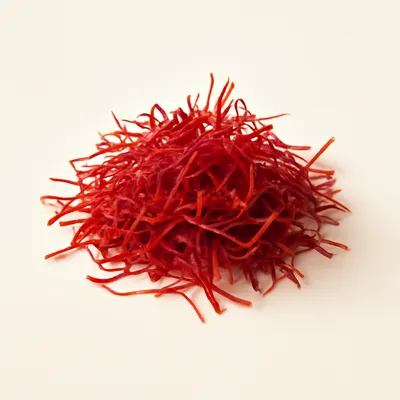


How it's made
6 steps · 55 min active + 20 min waiting
- 15 min
Soak 200g cleaned vaqueta or burgundy snails in salted water 1 hour, drain. (If using canned, rinse twice.) Cut 1 rabbit into 8 pieces; salt 30 min before cooking.
Watch outLive snails purge in salted water — discard any that don't retract when poked.
- 210 min
In a 40cm paella pan over medium-high, heat 80ml olive oil. Brown rabbit pieces 10 min on all sides — slowly enough that the fond builds dark on the pan. Push to the rim.
Watch outIf rabbit goes white-grey instead of mahogany, your fire is too low — paella needs aggressive heat.
- 310 min
In the rabbit fat, add 200g garrofó (Valencian flat white beans, or use butter beans), 150g flat green beans (ferraura/bachoqueta) cut to 5cm. Sauté 4 min. Add 4 minced garlic and 2 grated tomatoes; cook 6 min until the sofregit dries to brick-red paste.
- 45 min
Off heat, stir in 1 tsp pimentón dulce and a heaped pinch (0.2g) saffron threads, briefly toasted. Pour in 1.4L hot chicken or rabbit stock. Return rabbit. Add snails. Bring to a hard boil and taste for salt now — once the rice is in, you cannot adjust evenly.
Watch outSalt the broth assertively — the rice needs to absorb the seasoning, and bland broth gives bland rice.
- 518 min
Pour in 380g Bomba or Senia rice in an even ribbon, distributing across the pan. Do not stir. Boil hard 8 min on full heat, then drop to medium 10 min until liquid is gone.
Watch outIf the pan has hot spots over a domestic burner, rotate it every 2 min — never with a spoon, only with the pan.
- 67 min
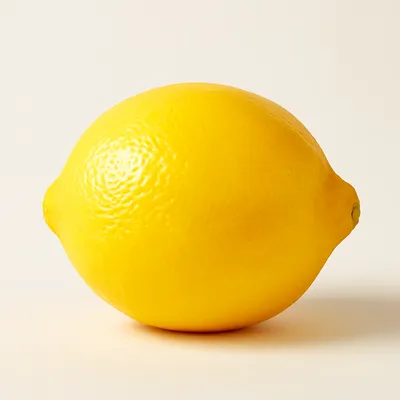
Crank to high last 90 seconds for socarrat — listen for crackle, smell for toasted-not-burnt. Cover with foil or a clean cloth, rest 5 min off heat. Serve in the pan with lemon wedges; diners eat directly out of the pan with wooden spoons in the traditional way.
Archive tool suggestions — not reviewed
These legacy suggestions have not been evidence-reviewed and are not presented as required tools.


