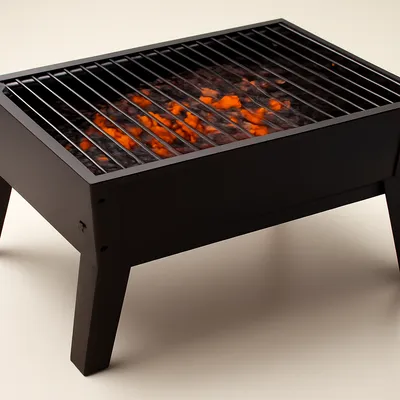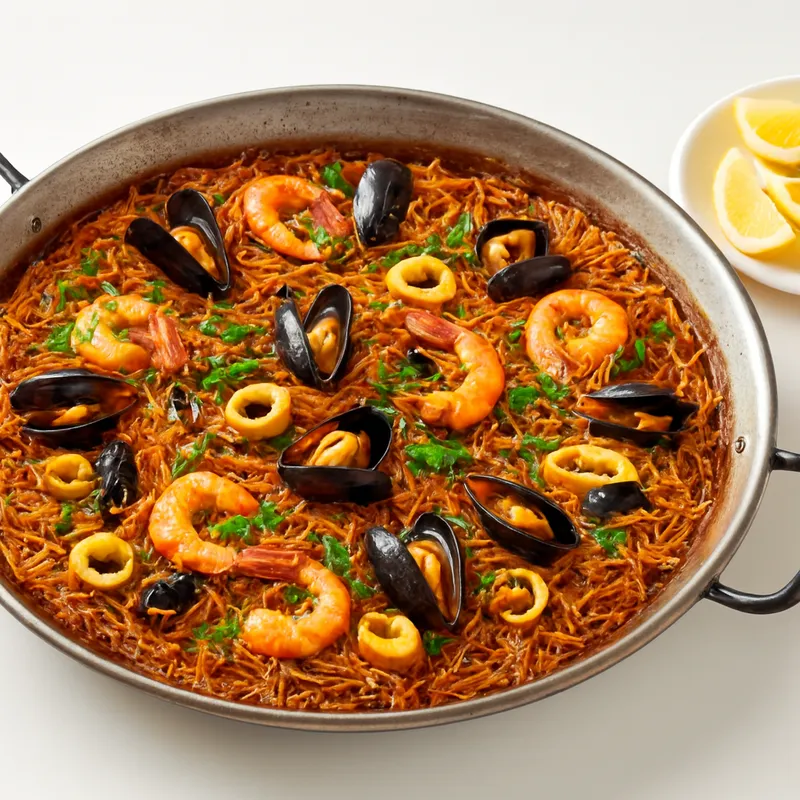
Caldero is the rice tradition of the fishing villages around the Mar Menor — the salt lagoon on Murcia's coast that holds a high-salinity inland sea. Originally cooked at sea by fishermen on small charcoal braziers, using the day's unsold rockfish and rice carried on board, the dish moved ashore in the 19th century to the bars of Cabo de Palos and San Pedro del Pinatar. The ñora pepper — dried locally since the 16th century after Atlantic peppers reached the coast — is the technique's anchor.
Murcian fishermen's lagoon rice from Cabo de Palos — cooked at sea on charcoal braziers before moving ashore in the 19th century. Two-course service is technical, not ceremonial: rockfish needs 25 minutes for gelatin release, rice needs only 18; cooking together leaves both wrong. Ñora pepper is the smoky-sweet anchor where pimentón-paella uses paprika.
The rice is dense, mahogany-tinted, glossy from ñora oil and saffron — each grain holds its shape but the bottom layer has gone slightly sticky against the iron. First spoon: deep fish-stock savor cut by ñora's raisin-sweet smokiness. Then the fish course arrives — clean, white-fleshed, almost neutral after the rice — and the allioli pulls it forward. If the rice is mushy or pale yellow, the cook over-stirred and under-reduced the stock.
Two-course service is load-bearing, not ceremony: the rockfish needs ~25 minutes to release its gelatin and stock flavor, but rice needs only 18 — cooking them together leaves the fish dry-shredded and the rice under-flavored. Pulling the fish out and reusing the strained stock for the rice is the technical move. The ñora delivers the smoky-sweet pigment that pimentón gives to paella, but with more raisin-fruit and no heat — the pepper is sweet, not piquant.
Variations
Cabo de Palos canonical version uses dorada and gallineta; San Pedro del Pinatar leans on mújol (mullet); Santa Pola Alicante neighbors call the dish arroz a banda but skip the lagoon ñora; modern Murcia restaurants finish with a quenelle of allioli on the rice.
On the Palate
Where Caldero del Mar Menor sits in the Spanish flavor cloud
Ingredients
Serves 4

How it's made
6 steps · 1 hour active + 30 min waiting
- 14 min
Stem and seed 4 dried ñoras (small round dried sweet peppers from Murcia). Toast them briefly in 60ml olive oil over low heat in a wide caldero (iron pot) — 30 seconds per side, until they puff. Remove immediately and reserve; the oil is now red-tinted.
Watch outToast the ñoras just to a puff, 30 seconds a side; pull them the instant they swell or they'll go bitter.
- 210 min
In the same oil, fry 6 crushed garlic cloves until pale gold, then add 4 ripe tomatoes (grated, skins discarded). Cook on medium 8 minutes until the sofrito darkens and the oil separates at the edge.
Watch outCook the sofrito until it darkens and the oil separates at the edge — that's the flavor base ready.
- 330 min
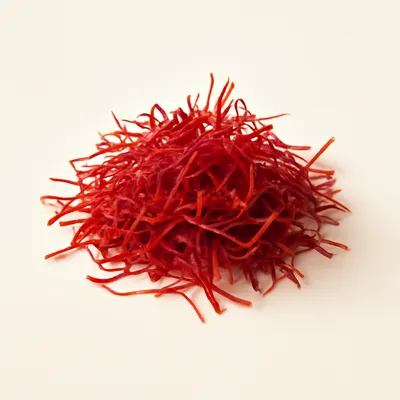
Add 1.2kg cleaned rockfish (gallineta, rascasse, or scorpionfish — heads and bones in for flavor) plus the toasted ñoras. Cover with 2L water, a generous pinch saffron, salt. Simmer uncovered 25 minutes. Lift the fish out gently with a slotted spoon — keep them whole — and reserve warm. Strain the stock; you should have ~1.5L.
Watch outLift the fish out whole and gently the moment it's cooked, before it flakes apart in the stock.
- 420 min
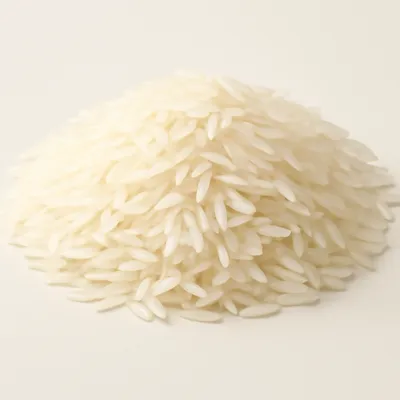
Measure 400g bomba or Calasparra rice. In the cleaned caldero, bring 1L of the strained stock to a hard boil, scatter in the rice in an even layer, do not stir. Boil 8 minutes on high, then reduce to medium-low for 10 more minutes. Rice should finish slightly dry on top with no liquid pooling.
Watch outBoil the rice hard first, then drop to medium-low; it should finish slightly dry on top with no pooling liquid.
- 55 min
Off heat, cover with a clean cloth and rest 5 minutes — the grains finish on residual heat. While resting, plate the reserved fish on a warm platter with a separate bowl of allioli (garlic-olive oil emulsion).
- 61 min
Serve in two courses: first the rice in the caldero with a spoon dragged through the bottom for the sticky grains; then the fish with allioli alongside.
Archive tool suggestions — not reviewed
These legacy suggestions have not been evidence-reviewed and are not presented as required tools.