




Where it comes from
Fideos a la cassola is inland Catalan, predating fideuà by centuries — Sephardic Jewish kitchens in medieval Barcelona used dry pasta (fideos) in clay-pot cooking; after the 1492 expulsion the technique stayed in Christian Catalan cooking. The seaside seafood version (fideuà) emerged on the Valencia coast only in the 1960s. The clay cassola — wide, shallow, glazed only on the inside — distributes oven heat evenly and is named for its shape, not its size; in Catalonia, dishes named 「a la cassola」 always mean baked in this vessel.
On the plate
A baked dish you eat with a spoon — fideos at the top stand on end like a forest of tiny hooks, deep-gold and crisp; lower down the pasta is soft, saturated with rabbit-and-pimentón broth. Forking through reveals rabbit pieces that pull from the bone and dark sausage chunks. A dab of allioli on the side cuts through. The contrast — crisp top, wet bottom — is the entire point.
How it works
Two cooking methods stack: hard boil for 3 minutes hydrates the fideos through; oven-bake at 220°C dries the surface and creates the curled-and-crisped top. Stock-to-pasta ratio is critical — about 3:1 — too much liquid and you get soup, too little and the bottom scorches. Pimentón timing is the only step that ruins the dish: the spice burns at oil temperatures, but blooms perfectly when added off-heat then immediately deglazed with hot stock.
Inland Catalan, predates fideuà by centuries — Sephardic kitchens in medieval Barcelona used fideos in clay pot before the 1492 expulsion. Boil 3 minutes, then bake at 220°C; stock-to-pasta ratio sits at 3:1.
Variations
Lleida uses rabbit and botifarra; Tarragona's coastal kin is fideuà with seafood; Vic sub-version uses pigeon; Empordà cooks add a final allioli swirl on top.
On the Palate
Ingredients
Serves 4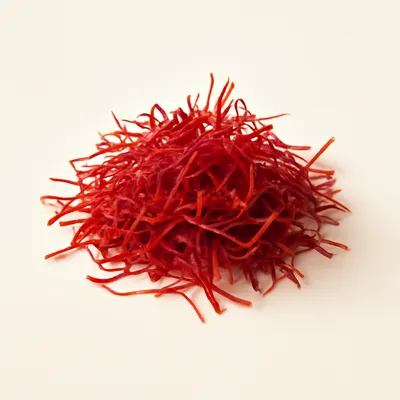

How it's made
6 steps · Show ↓35 min active · 15 min waiting
How it's made
6 steps · Show ↓- 15 min
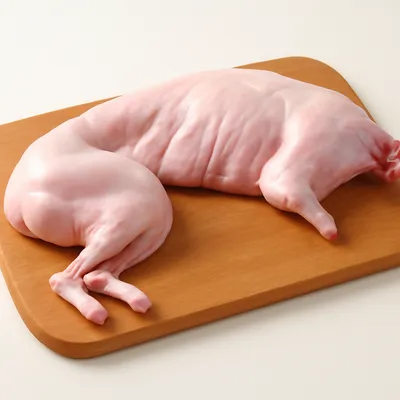
Heat oven to 220°C. Cut 1 small rabbit (about 1kg) into 8 pieces; season with salt. Slice 200g botifarra (Catalan pork sausage) into 2cm rounds.
- 211 min
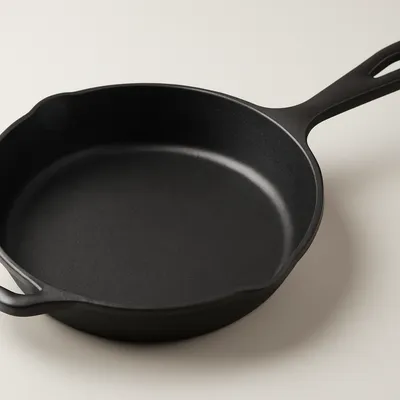
In a 28cm shallow earthenware cassola (or oven-safe heavy skillet), heat 4 tbsp olive oil over medium-high. Brown rabbit pieces 8 minutes total, turning. Add sausage rounds; brown 3 minutes. Remove all and reserve.
Watch outRabbit is lean — brown fast and don't dry it out. Surface colour, not internal cooking, is the goal here.
- 318 min
Lower heat. Add 1 finely chopped onion, sweat 10 minutes until jam-soft. Add 1 grated tomato; reduce 8 minutes to a tight sofregit.
- 42 min
Pull cassola off heat. Stir in 1 tsp pimentón dulce and 1/2 tsp pimentón picante — 10 seconds off-heat — then immediately add 1L hot chicken stock and a pinch of saffron. Pimentón scorches in under 30 seconds on direct heat.
Watch outThis is the make-or-break moment — pimentón added to hot oil turns acrid black instantly. Off-heat first, liquid in second, fire back on third.
- 54 min
Bring to a boil. Add 350g fideos n°2 (short tubular pasta about 2cm) and the reserved rabbit and sausage. Stir once to distribute. Boil hard 3 minutes — the pasta starts soaking up stock.
Watch outFideos must be the short Spanish kind, not vermicelli or angel hair — the tubes are what give the baked dish its forky, ridged texture.
- 622 min
Transfer cassola to the oven uncovered. Bake 12 minutes at 220°C until the top fideos curl up and brown to deep gold (some Catalans flick on the broiler the last 2 minutes for the classic 「peluts」 spiky effect). Stock should be fully absorbed. Rest 10 minutes; serve from the cassola with allioli on the side.
Watch outThe dish is done when fideos on top curl upward like little hooks — that visual cue is the doneness signal.