
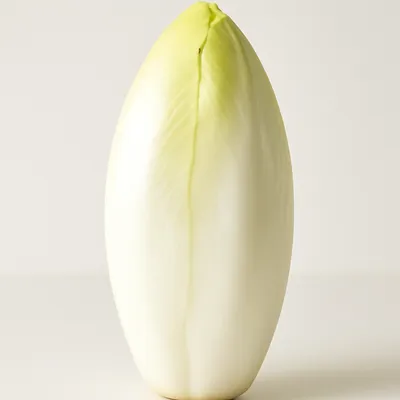
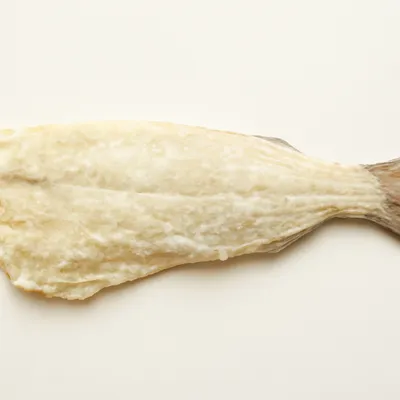
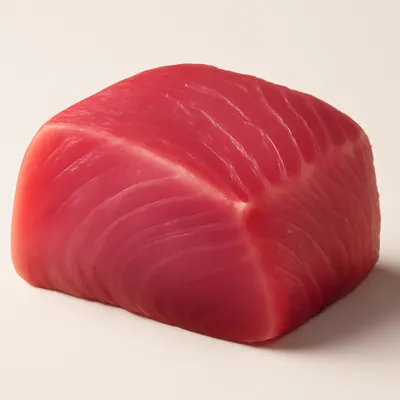
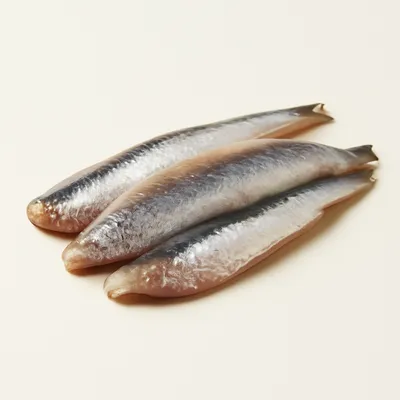
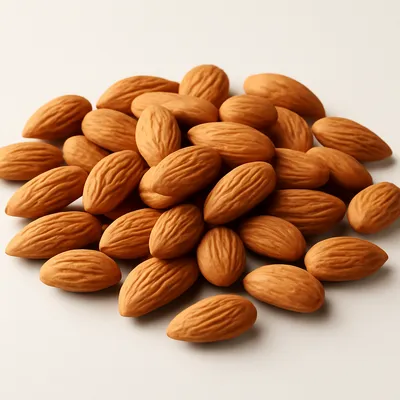
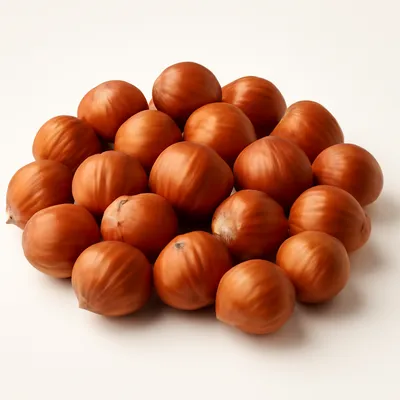
A winter salad from the Garraf and Penedès coast of Catalonia, served as a starter. A base of curly endive or escarole is topped with shredded desalted salt cod, canned tuna and anchovy fillets, and bound with xató sauce — a romesco-family paste of toasted almonds and hazelnuts, dried nyora pepper, garlic, olive oil and vinegar, sometimes thickened with fried or stale bread. The greens are torn, the cod is soaked and flaked raw, and the thick, brick-red sauce is spooned over or tossed through at the table. It is the centrepiece of the communal xatonada meals held around Carnival, and is usually followed by grilled meats and omelettes.
Xató belongs to the wine country of the Penedès and the neighbouring Garraf, the coastal strip between Barcelona and Tarragona, and its season runs through the depths of winter when escarole, salt cod and salt-cured anchovies were all to hand. At least four towns claim to have invented it and dispute the recipe — Vilanova i la Geltrú, Sitges, El Vendrell and Vilafranca del Penedès, with Sant Pere de Ribes and Calafell also in the running — so a single birthplace cannot be established. Vilanova rests its case on what it calls the first written mention, in the Barcelona paper El Sol in 1850; Sitges points to an 1896 notice in the Eco de Sitges. The name is unsettled too: the popular account ties it to aixetonar, the act of fitting a small tap (aixetó) to a barrel of the season's new wine, the festive meal at which the salad was eaten; the philologist Joan Coromines instead linked it to deixatar, 'to dissolve or thin', after the pounding-out of the sauce. The five towns today run a joint 'Ruta del Xató' to promote the dish and its Carnival-season gatherings.
Served cool, the salad is built on contrasts. The torn escarole is crisp and faintly bitter, the cool counterweight to a sauce that is rich, dense and a little sweet from the toasted nuts, with the dried pepper bringing a mild, fruity warmth rather than heat. The fish supplies salt and savour on three levels — the firm, mild flakes of desalted cod, the oily softness of tuna, the sharp, briny punch of anchovy — while the vinegar in the sauce cuts the oil and lifts the whole plate. The sauce coats rather than soaks, leaving the leaves with crunch.
The sauce is the dish, and it works like its cousin romesco: toasted almonds and hazelnuts are pounded with garlic, the soaked flesh of dried nyora peppers, salt and vinegar, then olive oil is worked in slowly. The ground nuts and any added fried bread are loaded with both starch and their own oil, and act as the emulsifier and thickener — they hold the added oil and water in a stable, spoonable paste rather than letting it split, much as ground almonds thicken a romesco without any dairy. The nyora is sun-dried and only mildly hot, so it gives colour and sweet, gently smoky pepper flavour without the burn of a fresh chilli. The salt cod is not cooked: it is desalted first by soaking in several changes of cold water over a day or more, which leaches out the curing salt by diffusion and rehydrates the fibres, leaving the flesh firm, mild and ready to flake raw into the salad. The bitterness of the escarole is structural — its slightly bitter, crisp leaves stand up to the heavy sauce where a soft, sweet lettuce would collapse.
Variations
The greens-and-fish base is broadly agreed; the dividing line between towns is the sauce. The Sitges version uses only raw garlic; Vilafranca del Penedès combines raw and roasted garlic and even crumbled Maria biscuits; El Vendrell works in roasted onion; and Calafell swaps the nyora for romesco peppers. The same sauce family underlies romesco proper and the milder salvitxada eaten with grilled calçots, all built on nuts, dried pepper and garlic but tuned to their dish. The whole communal meal is the xatonada, a Carnival-season feast where the salad opens the table before grilled meats, sausage and omelettes. Xató is sometimes confused with esqueixada, another Catalan salt-cod salad, but the two are distinct: esqueixada is shredded raw cod dressed simply with tomato, onion and oil, with no nuts and no escarole base.
On the Palate
Where Xató sits in the Spanish flavor cloud
Ingredients
Serves 4



How it's made
7 steps · 40 min
- 120 min
A day ahead, soak the salt cod in cold water in the fridge for 24–48 hours, changing the water 3–4 times, until it tastes only lightly salty; drain, pat dry and flake into pieces, removing skin and bones.
- 28 min
Toast the almonds and hazelnuts in a dry pan or oven until golden and fragrant; rub the hazelnuts to remove loose skins.
Watch outToast the almonds and hazelnuts until golden and fragrant — that toasting deepens the nutty base of the sauce; raw nuts taste flat and thin.
- 310 min
Soak the dried nyora peppers in warm water until soft, then scrape the soft flesh from the skins.
- 412 min
Pound or blend the toasted nuts, garlic, nyora flesh and a little salt to a thick paste; loosen with vinegar, then drizzle in the olive oil slowly to make a thick, emulsified brick-red sauce (add a little fried or stale bread if you want it thicker).
Watch outPound to a paste, then drizzle the oil in slowly — the ground nuts' starch and oil emulsify it into a thick brick-red sauce; add the oil too fast and it splits.
- 58 min
Wash and dry the curly endive or escarole, tearing the paler inner leaves into bite-size pieces, and arrange in a wide bowl.
- 63 min
Top the greens with the flaked cod, drained tuna and anchovy fillets.
- 74 min
Spoon the xató sauce generously over the salad and serve cool, tossing at the table just before eating.
Archive tool suggestions — not reviewed
These legacy suggestions have not been evidence-reviewed and are not presented as required tools.


