
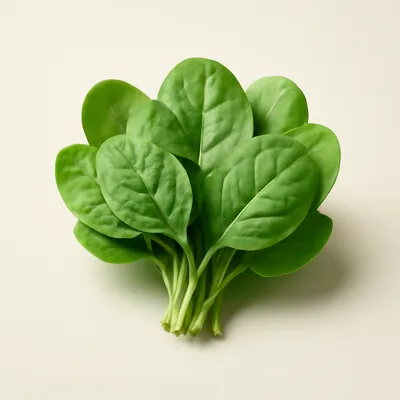
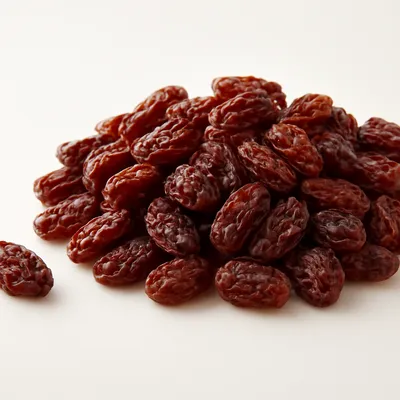
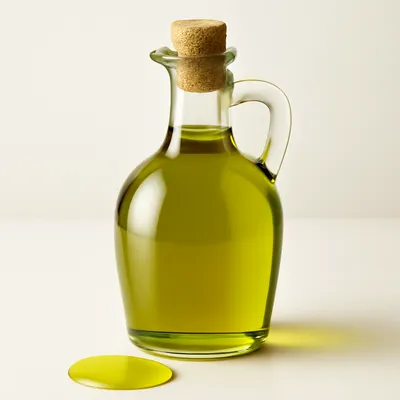
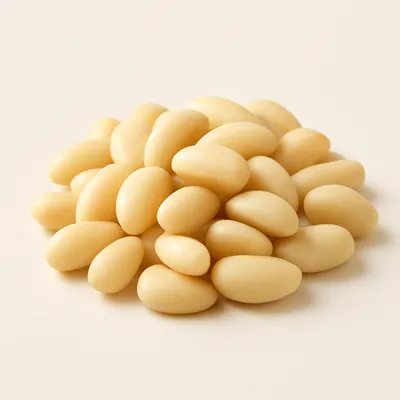
Spinach sautéed fast in olive oil with sliced garlic, plump soaked raisins, and toasted pine nuts. The sweet-savoury pairing of dried fruit and nuts against an earthy green is a signature of medieval Catalan cookery, and the dish carries that legacy into the everyday Catalan kitchen. It is eaten as an everyday side and, being meatless, also as a Lenten dish. The same mixture turns up as a filling for cannelloni and savoury turnovers, a topping for coca flatbread, or a base for baked fish.


The sweet-savoury combination of raisins and pine nuts with greens belongs to the dried-fruit-and-nut cookery documented across medieval Catalan texts. The Llibre de Sent Soví, composed around the mid-14th century and the oldest surviving culinary text in Catalan, already records dishes built on nuts, honey, and dried fruit. The earliest known recipe pairing spinach with raisins appears in the Llibre del Coch, written by Mestre Robert (Rupert/Ruperto de Nola) around 1490 and first printed in Catalan in Barcelona in 1520 — the oldest printed cookbook in Catalan, several of whose recipes descend from Sent Soví. A precise origin for the modern dish in its exact present form is not recorded; what is documented is the medieval lineage of the sweet-savoury technique, which by the 18th century had settled close to the version Catalans cook today.
Tender, just-wilted spinach still holding a little body rather than collapsing into mush. The sweetness arrives in bursts from the raisins, the pine nuts give soft-toasted crunch and a resinous, buttery note, and sweetened garlic and good olive oil run underneath. The interest is the swing between salt, the raisins' sweetness, and the faint mineral edge of the spinach itself.
Spinach is roughly 90% water, so it goes into a hot pan and is cooked fast: high heat flashes off surface moisture and wilts the leaves before they can stew in their own released liquid and turn grey and watery. The raisins are soaked first so they plump and turn juicy-sweet instead of staying hard and chewy. Pine nuts are toasted separately — gentle heat drives the Maillard reaction and releases their oils for a deeper, nuttier flavour, but they scorch into bitterness in seconds if pushed too far. The garlic is warmed slowly in the oil so it sweetens rather than browns and turns acrid. Spinach carries a gritty, faintly astringent edge linked to its oxalate content; the raisins' concentrated sweetness doesn't neutralise that chemically but balances it on the palate, which is the point of the medieval sweet-savoury pairing.
Variations
Some cooks slip in a chopped anchovy for a salty backbone, or finish with a splash of cream. A Swiss chard (bledes) version is common where chard is the everyday green. The nuts-and-fruit balance shifts by household — pine-nut-only, raisin-and-pine-nut, sometimes with a few toasted almonds. Note that 'espinacas con garbanzos' — spinach with chickpeas, cumin, and pimentón — is a separate Andalusian dish, not this Catalan one; chickpeas do not belong in espinacs a la catalana.
On the Palate
Where Espinacs a la Catalana sits in the Spanish flavor cloud
Ingredients
Serves 4How it's made
5 steps · 15 min
- 115 min
Soak the raisins in warm water for about 15 minutes until plump, then drain.
- 24 min
Toast the pine nuts in a dry pan over medium-low heat, stirring, until golden and fragrant; set aside.
Watch outToast the pine nuts over medium-low, stirring, only until golden and fragrant — they scorch to bitterness in seconds if you push them.
- 33 min
Warm the olive oil in a wide pan over medium heat and gently cook the sliced garlic until soft and just turning pale gold — do not let it brown.
- 43 min
Raise the heat, add the spinach in batches, and toss quickly so it wilts fast without stewing.
Watch outRaise the heat and add the spinach in batches so it wilts fast — crowd the pan and it stews in its own water, turning grey and soggy.
- 52 min
Stir in the drained raisins and toasted pine nuts, season with salt, and toss for a minute to combine. Serve warm.
Archive tool suggestions — not reviewed
These legacy suggestions have not been evidence-reviewed and are not presented as required tools.


