Papas arrugadas are pre-Columbian in lineage but Canary-specific in technique. The Canary Islands were the first European stopover for potatoes brought back from the Andes in the 16th century, and a few heirloom varieties (papas antiguas, papas negras, papas bonitas) survived only there — protected by isolation and volcanic soil. The wrinkle method came from boiling potatoes in seawater on the coast; inland cooks now substitute heavy salt brine. Mojo, in red and green forms, is the islands' table sauce — present at almost every meal.
Canary heirloom potatoes (papas antiguas, papas negras) boiled in ~10% brine until the skins crackle and white-dust with salt. The Andean stock survived only on the islands; volcanic soil and isolation kept varieties intact since the 16th century.
A pile of golf-ball potatoes with crackled, salt-frosted skins — the surface tastes briny, then the flesh underneath is sweet and firm, more concentrated than a steamed potato because the salt drew water out. The mojo rojo is paprika-warm and garlic-thick; mojo verde is grassy and sharp from cilantro and vinegar. Eaten skin-on, alternating reds and greens. If the skins aren't visibly wrinkled and white-dusted, the cook pulled them too early.
The salt does the structural work. At ~10% brine, the osmotic gradient pulls water from the potato flesh outward through the skin — the skin then dries and contracts, wrinkling visibly. The flesh, denied free water, becomes denser and tastes sweeter (sugars concentrate). Critical detail: don't peel. The skin is the membrane that lets water out without letting all the salt in, so the potato is seasoned, not over-salted. Pimentón timing in the mojos: never bloom over heat — vinegar and oil only, or the paprika scorches.
Variations
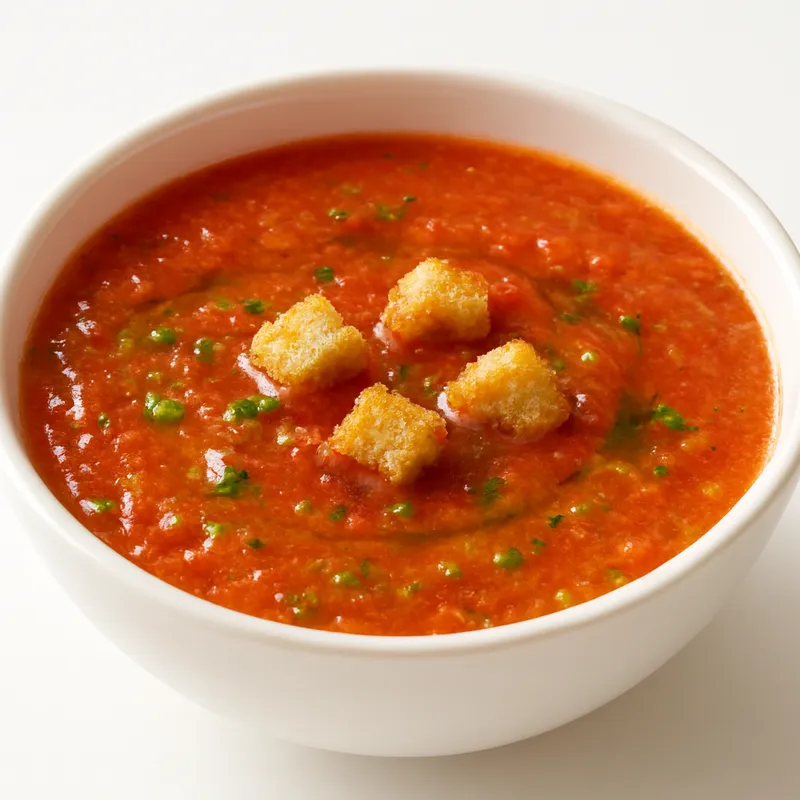
Tenerife mojo rojo runs garlic-heavy with bola pepper; La Palma's mojo palmero is made with the island's own pimienta palmera and characteristically blends in almonds for a thicker, creamier texture; Lanzarote home cooks bloom toasted cumin into the red; mojo verde varies between cilantro-led (Gran Canaria) and parsley-led (Tenerife).
On the Palate
Where Papas Arrugadas con Mojo sits in the Spanish flavor cloud
Ingredients
Serves 4







How it's made
6 steps · 20 min active + 30 min waiting
- 15 min
Scrub 1kg small Canarian potatoes (papas antiguas, papas negras, or any waxy small potato 3-5cm), keep skin on. Place in a wide pot, add water to barely cover, then dump in 100-150g coarse sea salt — yes, that much.
Watch outSalt ratio is roughly 10% by water weight — looks shocking but the skin keeps most out of the flesh.
- 230 min
Bring to a boil and cook 25-30 minutes until a knife slides through easily. The potatoes should bob in brine, not poach gently — keep at a steady rolling boil.
Watch outKeep a steady rolling boil so the potatoes tumble in the brine — a gentle poach won't drive off enough water.
- 34 min
Drain almost all water, leaving 1cm in the pot. Return to low heat and shake the pan as the last water evaporates — 3-4 minutes. The skins wrinkle and a fine white salt crust forms on the surface.
Watch outShake the pan over low heat as the last water evaporates until the skins pucker and a white salt crust powders the surface.
- 48 min
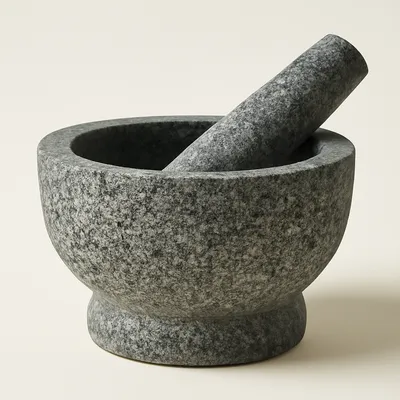
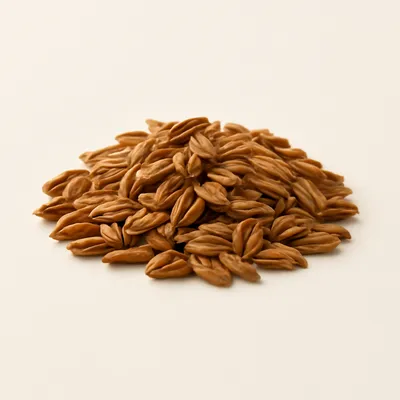
For mojo rojo: pound 4 garlic cloves, 1 tsp cumin, 1 tsp coarse salt in a mortar. Add 1 tbsp pimentón dulce, 1 tsp pimentón picante, 1 dried red Canarian pepper (pimienta palmera) rehydrated and seeded. Pound to paste, then stream in 100ml olive oil and 2 tbsp red wine vinegar.
Watch outPound the garlic, cumin and salt to a paste before streaming in the oil — that base is what carries the mojo.
- 58 min
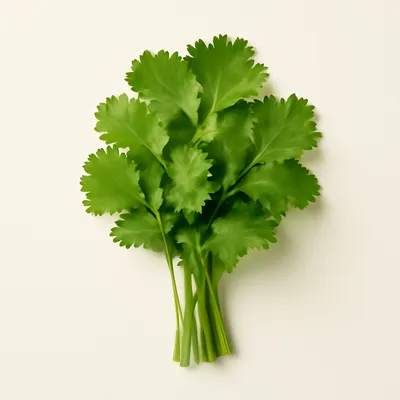
For mojo verde: pound 3 garlic cloves, 1 tsp cumin, salt with a large bunch of cilantro (50g leaves) and 1 small green pepper. Add 100ml olive oil and 2 tbsp white wine vinegar. Both mojos rest 30 minutes before serving — flavours need to settle.
- 61 min
Serve potatoes hot in their wrinkled jackets, salt crust visible, with the two mojos in small bowls. Eaters split each potato with a fork and dunk.
Archive tool suggestions — not reviewed
These legacy suggestions have not been evidence-reviewed and are not presented as required tools.