



Borage (borraja, Borago officinalis) is a Mediterranean herb whose flowers and young leaves Anglo cooks use as garnish — but in Aragon, the thick mature stems are the prize. The Ebro valley around Zaragoza is the centre of Spanish borage cultivation; it is one of Aragon's flagship vegetables, accounting for roughly 75% of Spanish borage production. The dish dates to medieval kitchen-garden cooking. Aragonese tradition specifies the refrito of garlic, pimentón, and vinegar — known locally as ajada — which converts a humble boiled vegetable into a registered regional plate.
Aragonese borage stems with potato — the Ebro valley around Zaragoza is Spain's borage capital, with regional Denominación Específica protection. Stems carry silica trichomes; mechanical peeling is non-negotiable, boiling alone won't soften them.
Borage stems are pale jade, soft like cooked celery but less stringy, with a flavour somewhere between cucumber and oyster — faintly briny, vegetal. Potato cubes are floury-soft, neutral foil. The garlic-pimentón oil pools at the bottom of the dish; you tilt to spoon it back. Cool-eating dish, not hot — heat blunts borage's clean herbal note. If your borage is hairy on the tongue, the peeling was incomplete and the dish is unsalvageable.
Borage stems carry tiny silica hairs (trichomes) on their surface — same compound as cactus spines. Boiling alone doesn't soften them; only mechanical peeling removes them. This is the dish's load-bearing prep step. The refrito is built off-heat for two reasons: pimentón scorches above 150°C, and the vinegar splash arrests any garlic over-browning instantly. Vinegar is essential — it lifts the borage's faintly metallic mineral note and brightens the potato.
Variations
Zaragoza tradition uses ajada (garlic-pimentón-vinegar refrito); Navarre cooks add jamón; modern Aragonese restaurants serve borage with poached egg and almond cream as a tasting-menu update.
On the Palate
Where Borraja con Patatas sits in the Spanish flavor cloud
Ingredients
Serves 4


How it's made
6 steps · 35 min active + 15 min waiting
- 120 min
Trim 1kg fresh borage (borraja). Cut off the bottom 2cm and the leafy tops; you want only the thick green stems. Working in cold water, peel off the fuzzy outer fibres with a paring knife — like de-stringing celery, but more thorough.
Watch outSkip the peeling and the fuzz feels like cactus spines on the tongue — non-negotiable step.
- 23 min
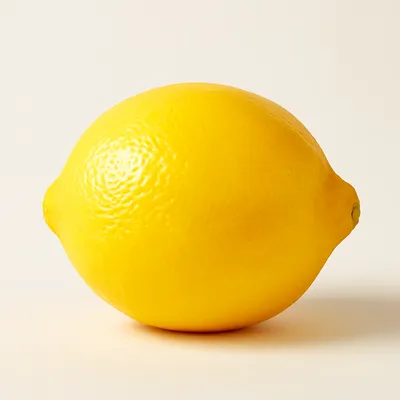
Cut peeled stems into 5cm batons. Drop straight into a bowl of cold water with juice of 1 lemon to prevent browning while you finish peeling.
- 312 min
Bring a large pot of water with 2 tsp salt to a hard boil. Drop in the borage batons. Boil 10-12 minutes until tender — a knife slides through with no resistance. Drain and set aside.
- 415 min
While the borage cooks, peel and cube 600g potatoes into 3cm pieces. Boil in salted water 15 minutes until fork-tender. Drain.
- 53 min
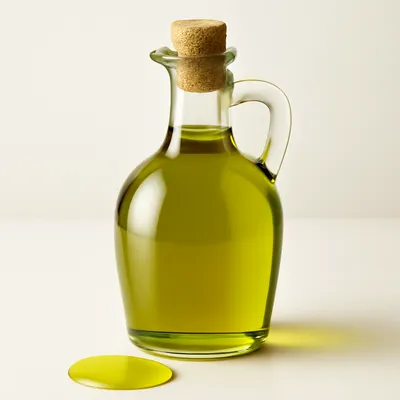
Make refrito: heat 60ml olive oil in a small pan over medium with 4 sliced garlic cloves. Fry until garlic is just turning gold, 90 seconds. Pull pan off the heat. Stir in 1 tsp pimentón dulce and 1 tbsp white wine vinegar — it sizzles and bonds.
Watch outPimentón goes in off-heat or you scorch it — and the vinegar splash kills any residual heat instantly.
- 62 min
Plate the borage and potato side by side or interlaid. Spoon the warm refrito generously over the top — about 2 tbsp per serving. Eat warm, not hot.
Archive tool suggestions — not reviewed
These legacy suggestions have not been evidence-reviewed and are not presented as required tools.