In Practice
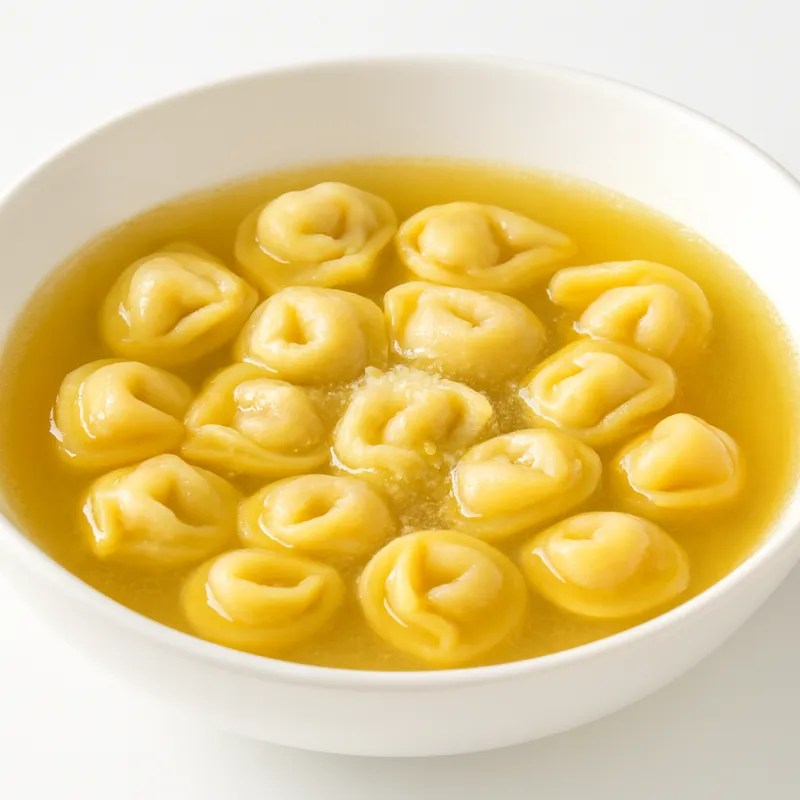
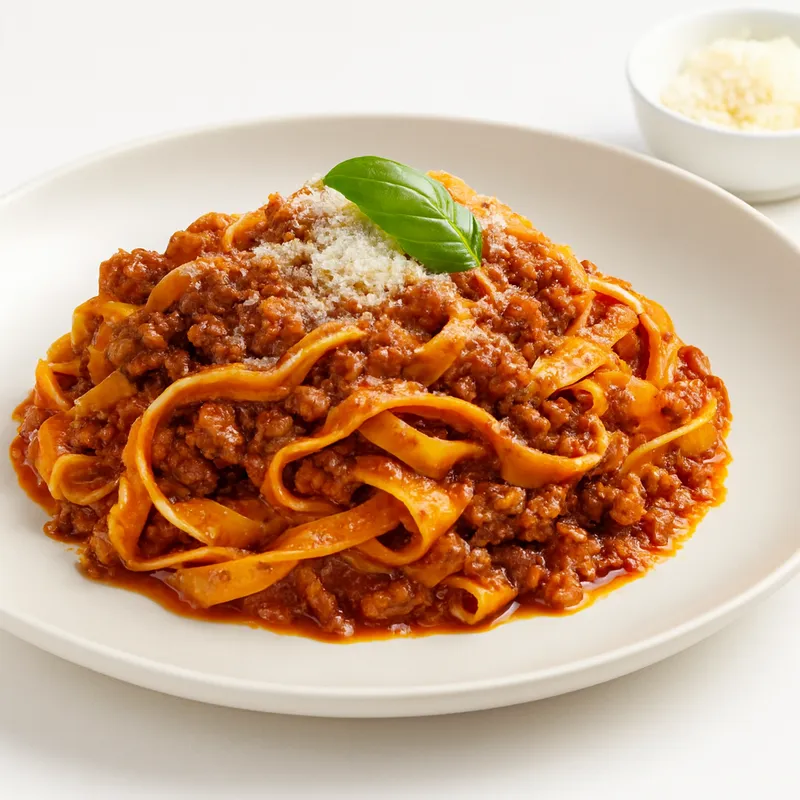
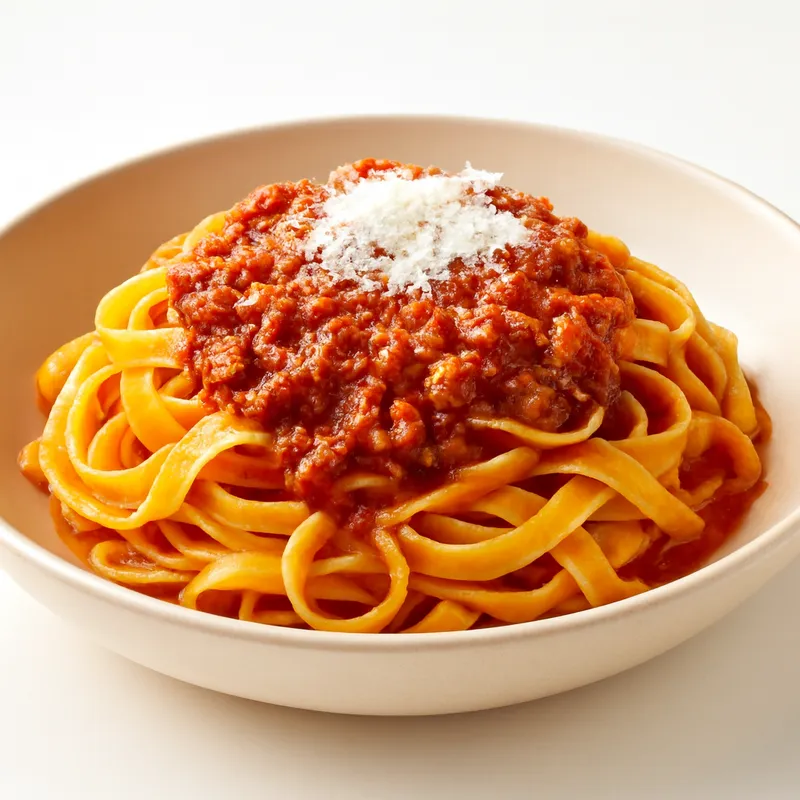
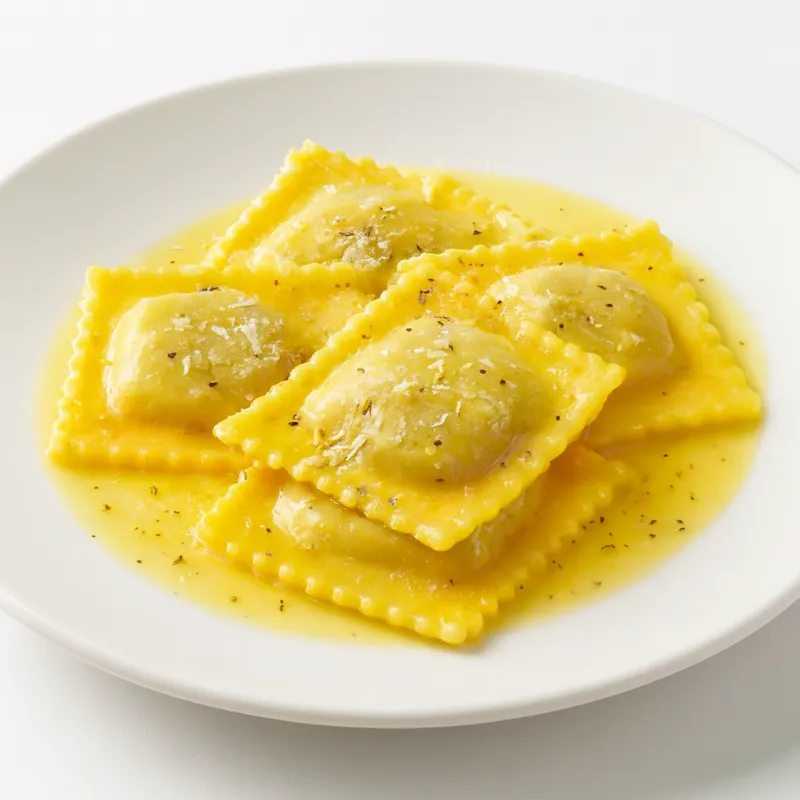
Classic Emilian ratio: 100g flour per egg (mix of whole + extra yolk for tortellini-grade). Knead 10-12 minutes until the dough springs back when pressed and shows a smooth, even surface; rest covered 30 minutes for gluten to relax. Roll with a 90cm tapered mattarello on unfinished wood (the slight friction grips the sheet so the pin stretches rather than slides). Each rotation: quarter-turn, roll from center outward. Final sfoglia for tagliatelle is ~0.8mm; for tortellini 0.5mm — light readable through it. Failure modes: insufficient kneading leaves a sheet that breaks at thinning stage; rolling on a polished/oiled surface lets the dough slide instead of stretch; rest skipped means the dough fights back and contracts.
Background
In the 16th century, within the fertile plains of Emilia-Romagna, the art of sfoglia took shape. This region, cradled between the Apennine Mountains and the Po River, boasted a bounty of wheat, eggs, and culinary innovation. It was here that the skilled hands of the 'sfoglina' began to transform these humble ingredients into delicate, translucent sheets of pasta. This was not mere sustenance; it became a symbol of regional pride, a testament to the abundance and creativity of Emilian kitchens.
As centuries passed, the technique of sfoglia traveled beyond Emilia, adapting to various local customs and ingredients. While the Emilian sfoglia remained true to its original form, characterized by its egg-rich dough, other regions developed their interpretations. In Tuscany, thinner sheets were favored for lasagna, while in the south, semolina replaced soft wheat flour. Each variation tells a story of its people and their lands, but the Emilian sfoglia remains the benchmark of finesse and tradition.
How It Works
Soft wheat (tipo 00, 9-11% protein) hydrated only with egg yolk — not water — develops a tighter, more elastic gluten network than water-doughs. Kneading aligns glutenin chains into long fibrils. Rolling with the mattarello (long thin pin) stretches gluten unidirectionally, then quarter-turns redistribute strain. The yolk's lecithin acts as both emulsifier and tenderizer, while the disulfide bridges in egg proteins reinforce structure, letting the sheet thin to <0.5mm without tearing.




Through Time
Documented in 16th-century Emilian convent and noble household records — Bartolomeo Scappi's 1570 *Opera* details rolled sheet pasta. The role of sfoglina (woman pasta-roller) was professionalized in the 19th century around Bologna; the tortellini-making tradition was codified by the Dotta Confraternita del Tortellino (founded 1965). Contemporary canon-holders include Alessandra Spisni at La Vecchia Scuola Bolognese and the late Valeria Piccini at Da Caino. Marcella Hazan's 1973 *Classic Italian Cookbook* translated the technique to American kitchens.
Related cooking knowledge
Pasta all'uovo with rolling-machine extrusion is the industrial-scale relative — same dough, mechanical instead of hand sheeting. Strudel dough (Austrian) is the closest non-Italian sibling, stretched paper-thin by hand over a tablecloth. Chinese hand-pulled noodle (la mian) and Indian roti share egg-less single-source gluten development but use different geometries. Hand-cut pici (Tuscan) is sfoglia's rustic counterpart — same dough family, different shape.