

Egyptian legend ties Umm Ali ('mother of Ali') to the 13th-century Mamluk court. The name is said to belong to a wife of Sultan Izz al-Din Aybak — the one who bore him a son, Ali, and who stood as rival to Aybak's other consort, the queen Shajar al-Durr. In the tale, Shajar had Aybak assassinated while he bathed (c. 1257); Umm Ali avenged him by having her maidservants beat Shajar to death with wooden clogs, then ordered a celebratory dessert named for herself, with some versions adding that every household in Cairo contributed an ingredient. The story is folkloric, with no historical basis and many variants, and the earliest recorded recipe dates only to the 19th century.
Mamluk-era court sweet that legend ties to 1250 and the rival of Shajar al-Durr — every Cairo household reportedly ordered to send an ingredient. Pastry must go in dry-toasted; raw filo turns to glue under hot milk. 220°C for ten minutes — surface caramelises before the inside dissolves.
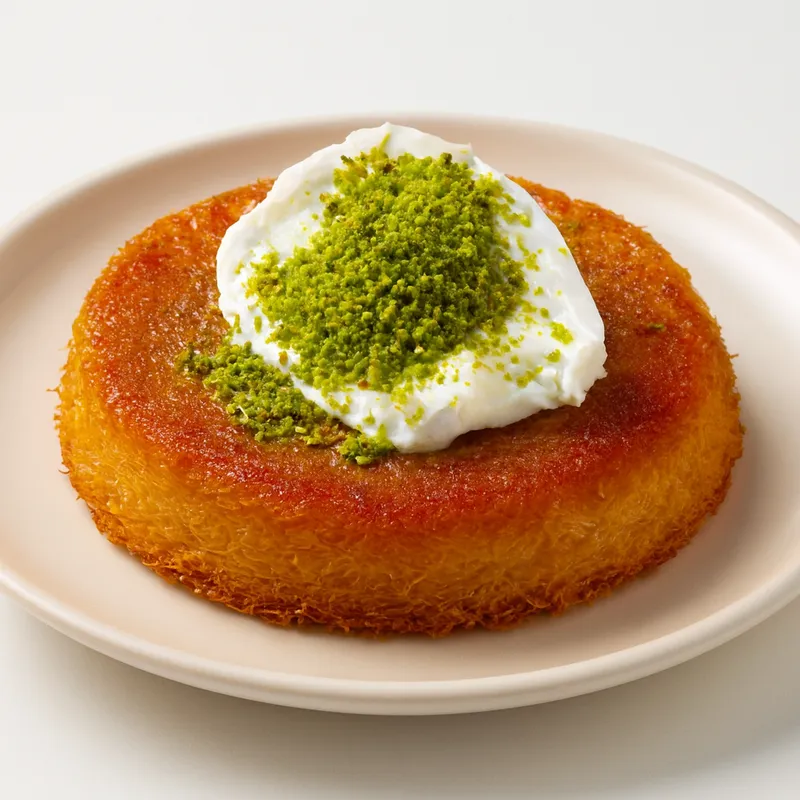
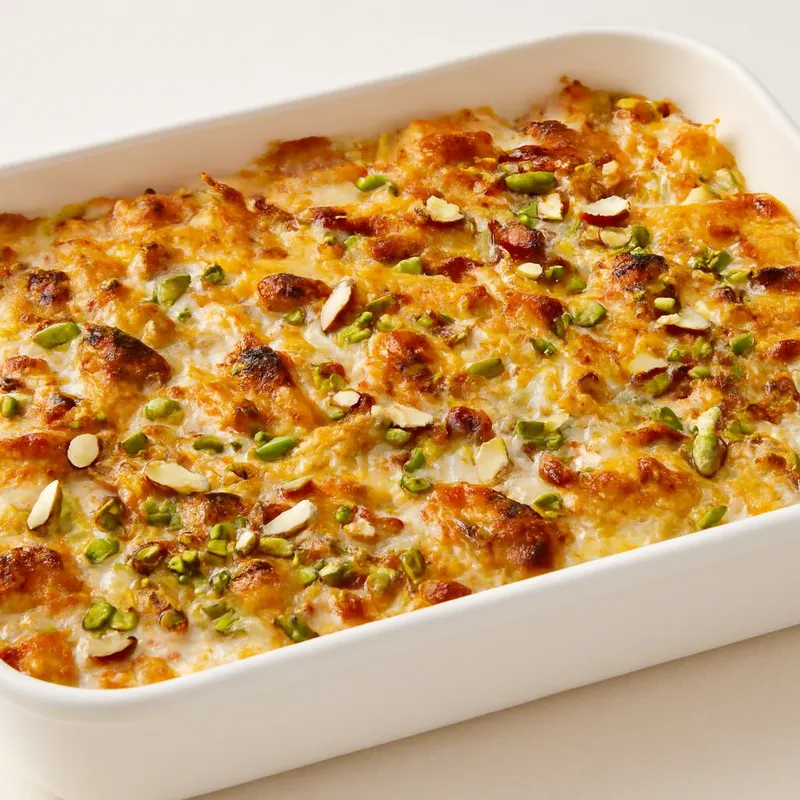
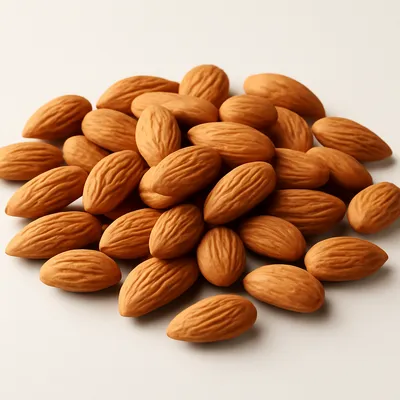
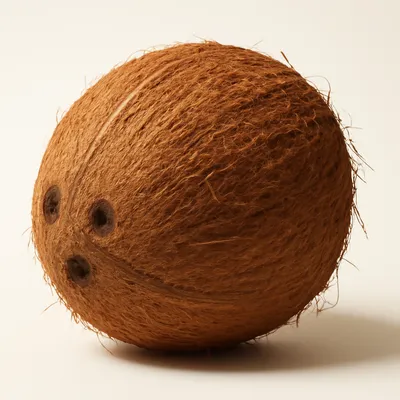
Torn pieces of puff or filo pastry baked under hot sweetened milk until the top sheets crisp into a golden crust and the bottom turns into a pudding. Pistachio, almond, coconut and raisin go between the layers. Served straight from the oven in the same dish; spoon should hit a wet middle and a cracking top in the same scoop.
The pastry must go in dry and toasted first — raw filo turns to glue under hot milk. Modern shortcuts use frozen puff (croissant scraps work too), torn small so capillary action pulls the milk up unevenly: the trick is the contrast, not even saturation. Bake hot and short, around 220 °C for ten minutes, so the surface caramelises before the inside dissolves.
Variations
Cairo home version (puff pastry, raisin and coconut); Alexandria-style with extra cream layer on top; modern luxe versions at hotels like Mena House add white chocolate; Levantine 'aish el saraya is the bread-not-pastry cousin (toasted bread soaked in syrup, mascarpone on top).
On the Palate
Where Umm Ali sits in the Egyptian flavor cloud
The pastry must go in dry and toasted, never raw — bake the torn puff until crisp and golden first, then pour the hot milk over, so it drinks the milk and stays layered instead of dissolving into glue.
Ingredients
How it's made
5 steps · 33 min
- 15 min
Preheat the oven to 350°F (175°C). Tear the puff pastry into bite-sized pieces and layer them in a baking dish, ensuring an even distribution.
Watch outTear the puff small and toast it until crisp and deep golden, not just warm — this is the whole trick, a raw shortcut collapses to paste.
- 23 min
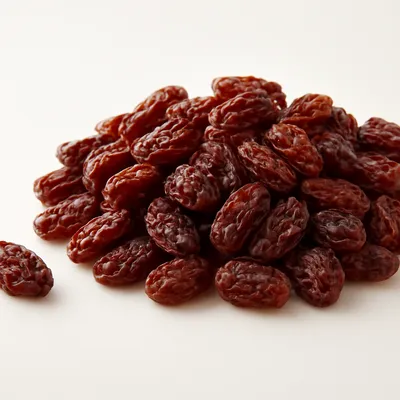
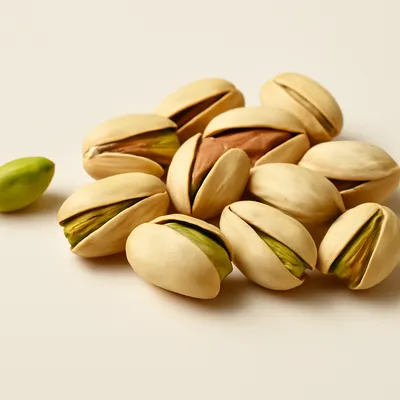
Sprinkle the pastry with a generous amount of sugar, nuts, and raisins, creating a rich, textured layer.
- 35 min
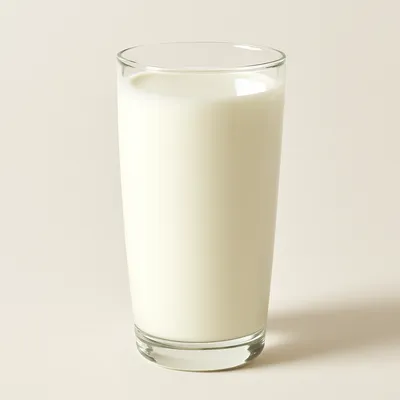
In a saucepan, warm milk until steaming but not boiling. Pour it evenly over the pastry mixture, allowing it to soak through and soften the layers.
Watch outPour the milk when it's steaming but still — cover the pastry unevenly on purpose, the contrast of soaked and crisp is the point, not even saturation.
- 420 min
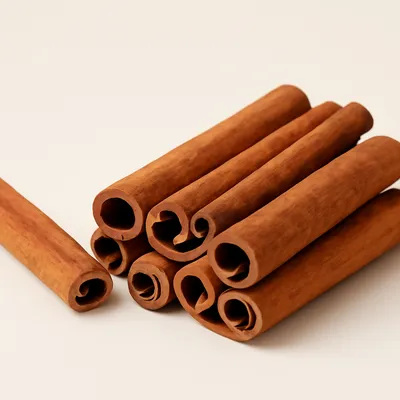
Sprinkle cinnamon over the top, then bake in the preheated oven until the surface is golden brown and crispy, about 20 minutes. The aroma should be sweet and spiced, filling the kitchen.
Watch outWatch for the surface going deep golden and crackly and the kitchen turning sweet and spiced — that caramel crust means it's done before the inside dissolves.
- 50 min
Let the dish cool slightly before serving, allowing the flavors to meld and the dessert to set.
Archive tool suggestions — not reviewed
These legacy suggestions have not been evidence-reviewed and are not presented as required tools.