
Uruguay's national cookie — two delicate, melt-in-mouth shortbread-style disks (made with cornstarch for extreme tenderness) sandwiched around a generous filling of dulce de leche, then the edges rolled in shredded coconut. Sometimes coated in chocolate or dusted with powdered sugar. The Uruguayan childhood treat, the cafe accompaniment to coffee or mate, the holiday-gift-box centerpiece.



Alfajor traces its name to Arabic — either Andalusi-Arabic 'al-hasu' ('the filling') or, per linguist Manuel Alvar, an Andalusian variant of 'al-fakhir' ('luxurious'). The cookie tradition came to Iberia with Moorish rule (first recorded in Spanish in Nebrija's 1492 Latin-Spanish dictionary) and was brought to the Rio de la Plata by Spanish-Andalusian immigrants. The original Spanish alfajor (still made in Andalusia) is a honey-and-nut-stuffed bar; the Uruguayan-Argentine version is fundamentally different. The round two-disk sandwich filled with dulce de leche is a 19th-century Rio de la Plata creation — its convent precursor was a square biscuit pair joined by dulce de leche under a sugar glaze, and the round form is generally credited to Augusto Chammas, a French chemist who arrived in the Rio de la Plata in 1840 and founded a sweets workshop in Cordoba in 1869, making what is regarded as the world's first round alfajor. The cornstarch-based version (softer, coconut-fringed) followed later in the 19th century as cornstarch entered local baking. By the 20th century, alfajor had become Uruguay's signature cookie, with dozens of brands (local artisanal versions plus the Argentine import Havanna). The cornstarch-and-flour ratio gives the cookies their distinctive melt-in-mouth tenderness — different from the more crumbly Argentine alfajor. Uruguayans eat alfajores at all hours: with breakfast coffee, afternoon mate, as a snack, as dessert.
Pick up an alfajor — small disk, golden-pale, coconut-fringed edges, perfectly round. Take a bite: the cookie crumbles instantly into your mouth — the cornstarch's signature melt-in-mouth tenderness arrives first (almost like sand, but soft sand). Then the dulce de leche reveals itself: creamy, deeply-caramel-sweet, milky-rich, with the faint vanilla. The coconut adds crunch and tropical-floral notes. Each bite is a perfect ratio of melt-in-mouth cookie to flowing caramel filling. With a small espresso or a sip of mate, this is the Uruguayan childhood treat that becomes the adult comfort — eaten one after another until the box is empty.
Cornstarch (about 2:1 ratio to flour) is the signature ingredient — it creates the characteristic melt-in-mouth tenderness by inhibiting gluten formation. Cold butter creamed with sugar incorporates air; the egg yolks add richness and moisture; the egg white binds. The 60-min rest is essential — it firms the dough for cleaner cuts and allows the gluten to relax (preventing tough cookies). Underbaking slightly (cookies should stay pale, not golden) maintains the soft texture. Resting overnight is critical — the dulce de leche slowly migrates into the cookie disks, softening them perfectly.
Variations
Alfajor de chocolate (dipped in dark chocolate). Alfajor blanco (white chocolate dip). Alfajor sin gluten (gluten-free, all-cornstarch). Alfajor de almendras (with almond meal in dough). Alfajor cubierto (fully chocolate-coated, the most-luxurious version). Mini alfajores for cocktail-party trays. Triple alfajor (three layers, two dulce-de-leche fillings) — the Argentine variation. Modern Montevideo restaurant versions use single-origin chocolate and artisanal dulce de leche.
On the Palate
Where Alfajor Uruguayo sits in the Uruguayan flavor cloud
Lean on cornstarch (about 2:1 over flour) and pull the cookies while still pale, then let the filled alfajores sit overnight — that rest is what melts the disks into their signature crumbly softness.
Ingredients
Serves 12





How it's made
15 steps · 1 hour active + 1 hour waiting
- 175 min
Make dulce de leche (if not store-bought): in a heavy pot, combine 1 L whole milk + 250 g sugar + 1/4 tsp baking soda + 1 vanilla bean (split). Bring to a simmer over medium-low heat, stirring constantly. Cook 60-90 min until thick, mahogany-brown, and a spoon trail holds. Cool. (Store-bought dulce de leche from Uruguay or Argentina works perfectly.)
- 25 min
Make cookies: in a large bowl, cream 200 g cold butter + 150 g sugar until pale and fluffy (3-4 min with a mixer).
Watch outCream the cold butter and sugar until visibly pale and fluffy — this whipped-in air is what keeps the crumb light.
- 34 min
Add 2 large egg yolks + 1 whole egg + 1 tsp vanilla extract + 1 tbsp brandy (optional) + zest of 1 lemon. Mix until smooth.
- 44 min
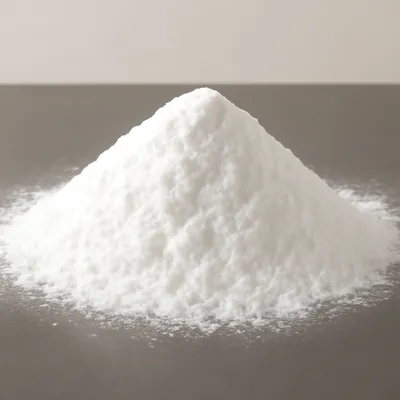
In a separate bowl, sift 200 g cornstarch + 100 g all-purpose flour + 1 tsp baking powder + 1/2 tsp salt.
- 54 min
Add the dry ingredients to the wet in 3 batches, mixing on low speed until just combined. The dough should be soft and slightly sticky.
- 662 min
Shape the dough into a disk; wrap in plastic; refrigerate 60 min.
- 712 min
Preheat oven to 175°C. Line 2 baking sheets with parchment paper.
- 814 min
On a lightly-floured surface, roll the dough to 4-5 mm thick. Use a 5-cm round cutter to cut 24 disks. (Re-roll scraps once; the second cut will be slightly less tender.)
- 92 min
Place disks on baking sheets, spaced 2 cm apart.
- 1011 min
Bake 10-12 min until set but pale-gold (don't brown — the cookies should stay light).
Watch outTen to twelve minutes is plenty — the tops should look set and matte but stay blond, not tan.
- 1132 min
Cool completely on the baking sheets, then transfer to a wire rack.
- 128 min
Assemble: spread 1-2 tbsp dulce de leche on the bottom of half the cookies (12 disks). Top with another cookie, pressing gently to make the filling reach the edges.
Watch outPress the two disks together just until the dulce de leche peeks to the very edge, ready to catch the coconut.
- 136 min
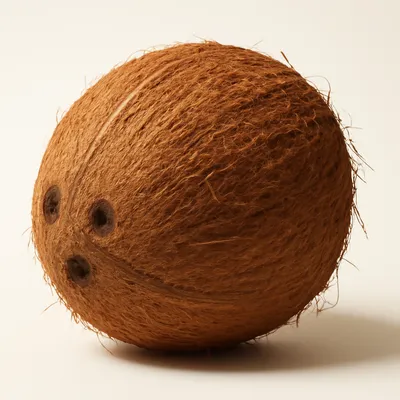
Roll the exposed dulce de leche edges in 100 g shredded coconut, coating the dulce de leche fully.
- 146 min
Optional: dust the tops with powdered sugar (10 g) for traditional finish, or dip the entire alfajor in tempered chocolate (200 g dark chocolate, melted) for chocolate alfajores.
- 1530 min
Store in an airtight container at room temperature for up to 7 days. The cookies improve overnight as the dulce de leche infuses into the disks. Serve with coffee, mate, or Tannat dessert wine.


