
Uruguay's Italian-immigrant pasta — fresh fettuccine or tallarines tossed in a green pesto of fresh basil, garlic, Parmesan (or Pecorino), pine nuts (or walnuts in the local Uruguayan version), olive oil, and lemon zest. Italian-immigrant heritage adapted with local ingredients. Served as the Sunday Italian lunch — the alternative to asado.

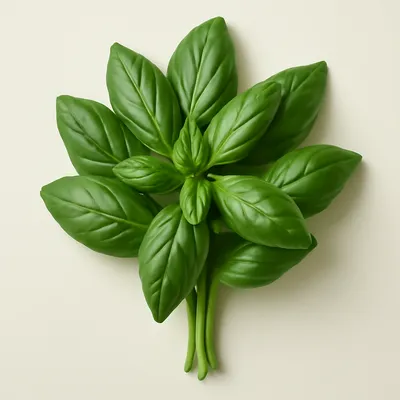




Italian immigration to Uruguay began in the 1860s and peaked in the 1890s-1920s — at one point, over half of Montevideo's population was Italian-descent. The pesto tradition came primarily from Liguria (Genoa) and Piedmont. In Uruguay, the recipe adapted: fresh basil was easy to grow, parmesan was imported (expensive), but pine nuts were scarce — so walnuts (locally available, from the Salto-and-Tacuarembó orchards) became the standard. The Uruguayan pesto is therefore slightly different from the Italian: nuttier (walnut vs pine), more lemony (Uruguayan farmers grew citrus), and less garlicky (Uruguayan taste preference). The dish is typically served on Sunday lunch as the 'Italian' alternative to asado (when families want pasta instead of meat). Tallarines (the Uruguayan name for fettuccine, from Italian 'tagliarini') are homemade in many households; the Sunday pasta-making is itself a ritual. The pesto is folded into the hot pasta with a touch of reserved pasta water; mozzarella or burrata is shaved on top. Montevideo Italian-Uruguayan restaurants serve dozens of pesto variations.
Twirl a fork of pesto pasta — the green sauce clings to each fettuccine ribbon like a coating of fresh forest. Bite: the basil's herbal-aromatic punch arrives first (clean, sharp, deeply-green), the garlic adds bite, the walnut's roasty richness mellows the herbs, the parmesan adds umami salt, the olive oil binds everything in glossy fat. The pasta itself is silky and al dente. The shaved mozzarella melts slightly from the heat, adding milky creaminess. The lemon zest brightens. With a glass of crisp white wine and a piece of bread to mop the bowl, this is the Italian-Uruguayan Sunday lunch — a moment of summer, in a bowl, year-round.
Fresh basil is essential — dried basil tastes nothing like the fresh leaves' volatile-oil aroma. Pulse-processing (rather than fine-pureeing) preserves some texture. Slowly drizzling in oil with the motor running emulsifies the sauce so it coats the pasta. Adding pasta water (which contains released starch) helps the pesto bind to the noodles. Tossing the pesto with hot pasta (not cooking it) preserves the basil's aroma; cooking the pesto would brown and dull the flavor. Walnuts (vs pine nuts) add a deeper, earthier flavor — the Uruguayan adaptation works.
Variations
Pesto rojo (red pesto) uses sun-dried tomatoes instead of basil. Pesto con almendras (almond pesto, autumnal). Pesto Trapanese (Sicilian style, with tomato). Vegan pesto omits cheese, adds nutritional yeast. Pesto with fresh peas (springtime). Pasta al pesto con pollo (with grilled chicken on top). The Italian-Uruguayan restaurant Della Liguria in Montevideo serves dozens of pesto pastas. Sunday-family-pasta tradition: each family has their own pesto recipe passed down generations.
On the Palate
Where Pasta al Pesto Uruguayo sits in the Uruguayan flavor cloud
Ingredients
Serves 4


How it's made
11 steps · 25 min active + 10 min waiting
- 16 min
Make the pesto: in a food processor (or large mortar), combine 3 cups fresh basil leaves (packed, washed, dried) + 4 garlic cloves + 1/2 cup walnut halves (or pine nuts) + 1/2 cup grated parmesan + 1/4 cup grated Pecorino (optional) + zest of 1/2 lemon + 1/2 tsp salt + 1/4 tsp black pepper.
- 24 min
Pulse the food processor to combine; with motor running, slowly drizzle in 1/2 cup good olive oil.
Watch outDrizzle the oil in slowly with the motor running so the sauce emulsifies thick and creamy instead of splitting into a puddle.
- 32 min
Process until smooth but still slightly textured. Taste; adjust salt, lemon, oil.
- 48 min
Bring a large pot of salted water (4 L water + 1 tbsp salt) to a rolling boil.
- 55 min
Add 500 g fresh tallarines (or fettuccine). Cook 3-4 min for fresh pasta (8-10 min for dried) until al dente.
Watch outPull the pasta at al dente — it keeps softening once you fold in the warm pesto, so a touch firm is right.
- 61 min
Reserve 1 cup of pasta water before draining.
- 71 min
Drain pasta. Return to the pot or transfer to a large warmed serving bowl.
- 84 min
Spoon the pesto over the hot pasta. Toss gently. Add 2-3 tbsp of the reserved pasta water to loosen the pesto — it should coat each strand glossy-green.
Watch outToss off the heat and loosen with a splash of pasta water until every strand is glossy green — cooking the pesto dulls the basil.
- 91 min
Stir in 2 tbsp olive oil + extra grated parmesan + freshly cracked black pepper.
- 102 min
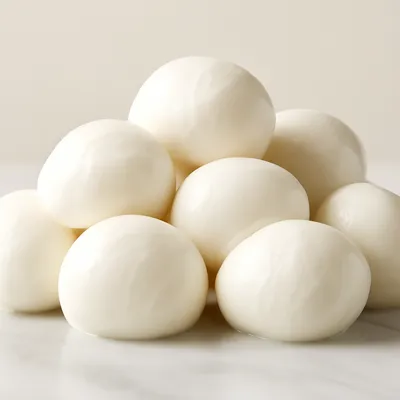
Top with: shaved fresh mozzarella or burrata (about 100 g), a sprinkle of fresh basil leaves, 1 tbsp lemon juice (optional, for brightness), and an extra drizzle of olive oil.
- 111 min
Serve immediately while hot — cold pesto pasta is sad. Eat with a side of green salad and crusty bread. Drink with chilled Sauvignon Blanc or Tannat rosé.


