
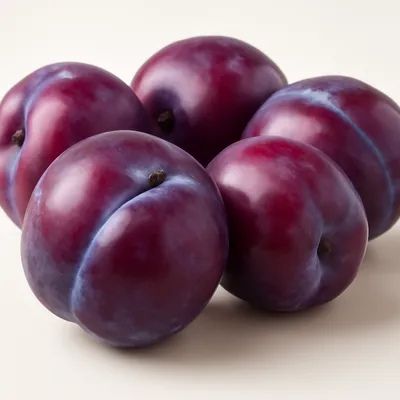


The national drink of Serbia, where the plum is the national fruit and the Šumadija region is famed for it; 'Srpska šljivovica' holds EU PDO status and was inscribed on the UNESCO Intangible Cultural Heritage list in 2022. See.
Clear and fiery on the tongue, warming all the way down, with a fragrant ripe-plum sweetness on the nose and a faintly woody, almost almond-like finish from the pits and the cask. Strong and aromatic, it is meant to be sipped slowly and savored, not knocked back.
Wild or added yeasts ferment the plum sugars into alcohol, and copper-pot distillation concentrates that alcohol while the copper strips off harsh sulfur notes. Careful separation of heads and tails removes off-flavors, and wood aging smooths the spirit and lends color and aromatic complexity.
Variations
single-distilled mild brandy vs double-distilled high-strength versions, clear young vs oak-aged amber, classic heirloom plum varieties (požegača, Madžarka), related rakija from other fruits (quince, apricot, grape)
On the Palate
Where Šljivovica sits in the Serbian flavor cloud
Ingredients
Serves 20How it's made
8 steps · 1 hour
- 140 min
Harvest fully ripe, sweet plums and remove any spoiled fruit, leaving stems and pits as tradition allows.
- 230 min
Crush the plums into a pulpy mash in a clean fermentation vessel.
- 330240 min
Allow the mash to ferment naturally with its wild yeasts (or add yeast) over several weeks until the sugars convert to alcohol.
Watch outLet it ferment until it stops actively bubbling and smells winey rather than sweet — that's the sugars spent and ready to distill.
- 460 min
Transfer the fermented mash to a copper pot still for the first distillation, collecting the low-strength spirit.
- 590 min
Distill a second time, carefully separating the heads and tails from the clean middle 'heart' cut.
Watch outCut the harsh, solvent-smelling first run (heads) and the sour, weak tail — keep only the clean-smelling middle heart.
- 620 min
Adjust the heart to drinking strength with pure water.
- 740320 min
Transfer to wooden casks (or glass) and age, traditionally for months to years, to mellow and develop aroma.
Watch outAge it long enough that the raw alcohol bite softens and the plum aroma rounds out — patience is what mellows the spirit.
- 85 min
Bottle and serve at room temperature in small glasses, ideally with a meze of cheese and cured meats.


