
Serbia's traditional cornbread — a quick bread made from white cornmeal mixed with crumbled fresh cheese, kajmak, eggs, yogurt, oil, baking powder, and a touch of salt, then baked golden-crusty in a deep pan. Served warm with pasulj, ćevapi, ajvar, or just butter. The peasant bread that predates the rise of wheat in Serbia by centuries — and remains a daily staple in Vojvodina and rural Serbia.





Proja is one of the classic peasant breads of the Balkans. Corn reached Serbia from the New World in the 16th century and quickly replaced millet and barley as the everyday grain across the Pannonian plain and rural regions, and cornbread became the daily ration whenever wheat was scarce. In its most austere original form proja is just coarse cornmeal mixed with salt and water and poured into a pan (known as moruznica in southeastern Serbia); the richer loaf enriched with white cheese, eggs and fat is properly projara or projanica, though the two names are now used loosely. Serbian Orthodox households bake it for Friday-fast meals (it is traditionally meatless), for Slava feasts, and as the everyday bread when wheat was short.
Cut into a warm proja — deep-golden crust, soft yellow-cream interior flecked with white cheese, slightly grainy from the cornmeal but tender from the dairy. First bite: corn's natural sweetness blooms first, then the fresh cheese's salty-tangy notes, the kajmak's buttery richness, the yogurt's gentle acidity. Dense but not heavy. Smear with butter or kajmak; dip in pasulj broth. The bread that has fed Serbian peasant families for 400 years and remains the favorite everyday bread in Vojvodina kitchens.
Cornmeal contains no gluten — proja relies on egg + dairy proteins + baking-powder leavening for its structure. The carbonated water adds extra leavening lift (CO2 bubbles trapped in the batter). Kajmak and cheese contribute fat and protein that give the bread richness; yogurt's acidity reacts with baking soda for additional lift. Baking at 200°C creates a deep Maillard crust on top while the interior steam-cooks tender. Letting it cool 10 min allows the interior to set firm enough to slice cleanly.
Variations
Sweet proja adds 100 g sugar and is served as dessert with jam. Spinach proja adds 200 g cooked spinach. Mushroom proja adds chopped sautéed mushrooms. Bacon proja adds crumbled bacon — Vojvodina specialty. Apple proja adds chopped apples and cinnamon. Cheese-stuffed proja layers cheese between two cornmeal layers. Wedding proja is decoratively shaped. Modern Belgrade restaurants serve proja with herbed compound butter.
On the Palate
Where Proja sits in the Serbian flavor cloud
Ingredients
Serves 8



How it's made
10 steps · 20 min active + 40 min waiting
- 13 min
Preheat oven to 200°C. Grease a 25 × 25 cm baking dish with oil or butter.
- 24 min
In a large bowl, combine the dry ingredients: 300 g white cornmeal + 100 g all-purpose flour + 1 tbsp baking powder + 1 tsp salt + 1 tsp sugar (optional).
- 36 min
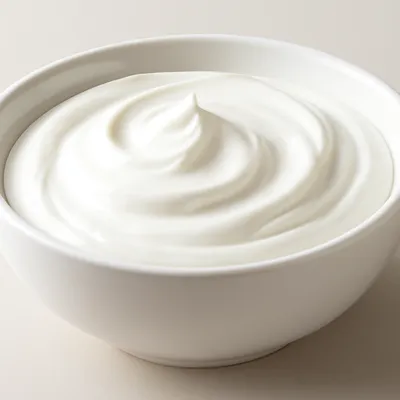
In a separate bowl, whisk the wet ingredients: 300 g crumbled fresh white cheese (sirene/feta) + 200 g kajmak (or thick sour cream) + 300 ml plain yogurt + 4 large eggs + 100 ml sunflower oil + 100 ml carbonated water (gives lightness).
- 43 min
Pour the wet ingredients into the dry. Stir gently with a wooden spoon until just combined — don't overmix.
Watch outFold just until no dry flour shows — keep stirring and the cornbread bakes dense and rubbery.
- 52 min
Optional add-ins: 1 chopped scallion + 2 tbsp chopped dill + crumbled bacon or chopped sausage.
- 62 min
Pour the batter into the prepared baking dish. Smooth the top.
- 71 min
Optional topping: sprinkle 50 g additional crumbled cheese + sesame seeds + chopped fresh herbs on top.
- 838 min
Bake 35-40 min until deeply golden-brown on top and a toothpick inserted in the center comes out clean.
Watch outPull it when the top is deep gold and a toothpick comes out clean — the middle sets as it stands.
- 911 min
Let cool 10 min before cutting into squares.
Watch outLet it sit ten minutes before you cut — slice it hot and it crumbles apart.
- 105 min
Serve warm with melted butter, sour cream, ajvar, or alongside pasulj, ćevapi, or grilled meats. Also delicious cold the next day, or toasted.


