


Bulgarian
Shopska salad's white-feta tricolor, banitsa's egg-cheese-phyllo, yogurt that named the strain — Balkan Slavic cooking with Ottoman edges.
Banitsa
Coiled phyllo around sirene cheese, baked golden. Breakfast staple, and the New Year's lucky-charm pastry.
View page →Bulgaria gave the world Lactobacillus bulgaricus — the bacterium that makes Bulgarian yogurt distinctly thick, tart, and the standard of fermented dairy worldwide. Yogurt is in everything: in cold tarator cucumber soup, dolloped on grilled meats, mixed into salad dressings. Shopska salad — diced tomato, cucumber, onion, pepper, topped with snowy grated sirene cheese — paints the Bulgarian flag (white, green, red). Banitsa is the egg-and-sirene-cheese-stuffed phyllo dish baked into a spiral, eaten for breakfast or feast occasions. Kavarma is the slow-cooked clay-pot stew of pork, vegetables, and white wine. Mountain dishes (kapama, patatnik) draw on shepherd traditions. The cuisine is yogurt-anchored, vegetable-strong, and shows clear Greek-Turkish-Slavic crossroads.
The Palate
Start Here
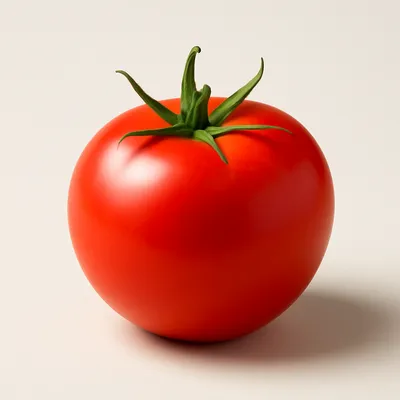
Roughly diced tomato, cucumber, pepper, and raw onion, topped with a snowy mountain of grated white sirene cheese, dressed with sunflower oil and vinegar. The Bulgarian flag on a plate.
Why start here · Shopska is the simplest masterpiece — six ingredients, no cooking, perfect ratio. It teaches the Bulgarian principle: fresh + funky-cheese + acid.
Layers of phyllo brushed with butter, filled with crumbled sirene cheese and beaten egg, baked into a coil until the top is golden-crisp. Breakfast staple, holiday centerpiece.
Why start here · Banitsa is what every Bulgarian grandmother makes differently. The phyllo-layering technique is universal; the filling is family.
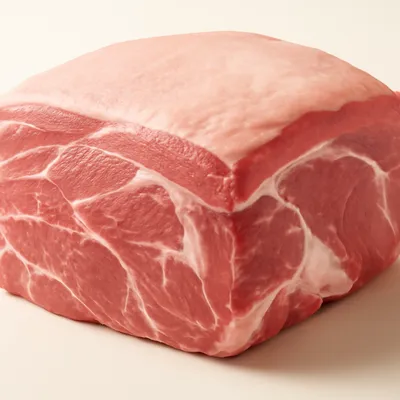
Pork-and-vegetable slow stew baked in a clay gyuvech, often topped with a cracked egg at the end. Paprika-led, summer-savory-finished, with a humble peasant heart that has become Sunday lunch at every Bulgarian mehana.
Why start here · Kavarma teaches you the Bulgarian rule of slow heat in clay: the porous gyuvech tempers the boil into a long, gentle braise, and the meat surrenders without falling apart. Once you know this dish, the rest of Bulgarian home cooking opens up.
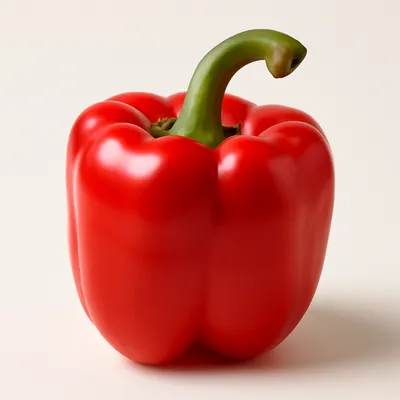
Roasted red peppers, tomatoes, eggplant, and garlic slow-cooked down to a jam-thick relish. Every September, jars line every Bulgarian household pantry; the rest of the year it goes on bread, eggs, kavarma, anything.
Why start here · Lyutenitsa is the condiment that defines the Bulgarian autumn ritual — peppers roasted on outdoor wood fires, the whole village smelling of it for a week. Eating it teaches you what 'preserving the summer' tastes like.
The Pantry






See all 55 ingredients›









Fruits



Grains & Staples















Two Regions
Two regional kitchens — Western (Sofia, shopska, banitsa), Rhodope mountains (patatnik, klin). Tap a region to see its table.
How They Cook
Techniques that define this cuisine
See 7 more techniques›
Kindred Kitchens
Cuisines built on the same signature ingredients


