
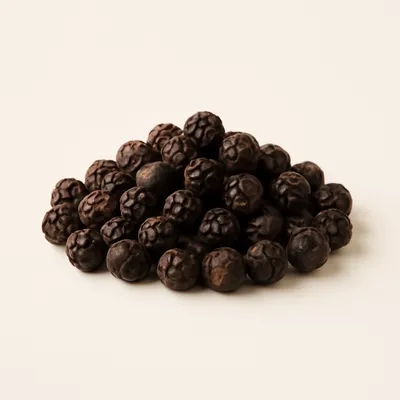
Roasted red pepper, charred eggplant, slow-cooked onion, and tomato simmered down with sunflower oil, bay, and peppercorns until almost spread-thick, then jarred hot and shelf-stored for the winter — each household making 20-30 jars in October. Eaten cold on bread for breakfast or a snack; brought out as a starter for any meal year-round.
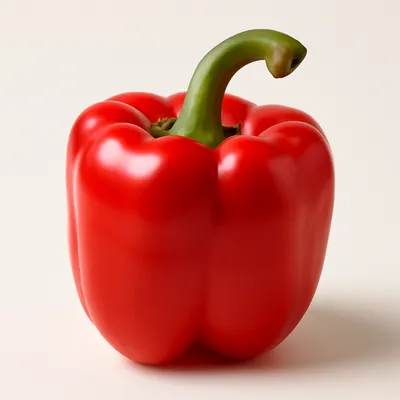
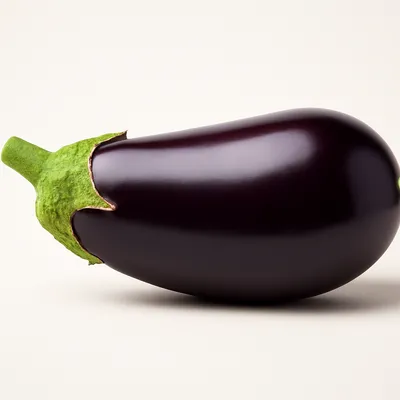


Zacuscă is the autumn-preserve tradition that defines rural Romanian household self-sufficiency, taking shape in the countryside by the 18th-19th century as a way to put up the late-summer glut of eggplant and peppers for winter. The word derives from the Russian/Slavic 'zakuska' (snack/appetizer), and the spread is shared across the Balkans. Each Romanian region has variations: Moldavia adds mushrooms or white beans, Banat adds hot pepper. October is zacuscă-month: families gather to char peppers over outdoor wood fires, peel them in assembly lines, and cook the mixture in cauldrons for hours. Jars are gifted, traded, and judged.
Knife spreads a deep rust-red paste with little orange flecks of pepper and almost-black flecks of eggplant. Smells of smoke first (the charring leaves a smoky perfume), then sweet pepper, then tomato. Cold from the jar onto warm bread is the canonical eating — the slight chill makes the texture firm and the flavors precise. Best with thick-sliced rye, a slice of telemea, and a glass of cold pilsner.
Direct-flame charring is essential — it caramelizes the pepper's sugars while burning the bitter compounds in the skin, leaving the flesh sweeter than oven-roasting can achieve. Resting the hot peppers covered uses the trapped steam to lift the skin from the flesh, making peeling possible. Long simmer reduces water content sufficient for shelf-stable preservation when sealed hot; the oil layer on top further seals against oxygen. Properly made zacuscă keeps 12+ months in cold storage.
Variations
Moldavian zacuscă cu ciuperci adds sauteed mushrooms; a bean version swaps some of the eggplant for cooked white beans. Banat zacuscă adds hot chili peppers and is spicier. Coastal regions make a fish version. Modern shortcut versions skip charring (use jarred roasted peppers); purists call this fake zacuscă.
On the Palate
Where Zacuscă sits in the Romanian flavor cloud
Ingredients
Serves 12

How it's made
10 steps · 1 hour active + 3 hours waiting
- 130 min
Char 2 kg red bell peppers directly over a gas flame or under a hot grill — turning until all sides are blackened and the flesh is collapsing. Place in a sealed plastic bag 15 min (steam loosens the skin).
Watch outChar the peppers until the skin is blistered black all over — that blackening burns off the bitter skin and caramelizes the flesh sweeter than an oven ever could.
- 225 min
Char 1 kg eggplants the same way until skin is fully blackened and flesh is soft. Same steam treatment.
- 312 min
Peel peppers and eggplants completely (skin must go). Chop both into 5 mm dice.
Watch outPeel off every scrap of blackened skin — any left behind turns the whole spread gritty and bitter.
- 416 min
Heat 200 ml sunflower oil in a heavy wide pot. Cook 4 chopped onions over medium-low 15 min until completely soft, almost translucent.
- 53 min
Add chopped peppers and eggplants. Stir to combine.
- 64 min
Add 400 g passata + 3 bay leaves + 2 tsp salt + 1 tsp pepper + 1 tsp sugar (balances acidity).
- 780 min
Simmer uncovered 60-90 min, stirring every 10 min, until the mixture reduces to a thick spread that holds a line drawn through it with a wooden spoon.
Watch outReduce until a spoon dragged through leaves a clean channel that holds — too wet and the jars won't keep on the shelf.
- 825 min
Sterilize 6 × 500ml jars. Spoon hot zacuscă into hot jars, leaving 1 cm headspace. Seal.
- 932 min
Process jars in a hot water bath 30 min (or invert sealed jars covered in towels and let cool slowly for the pop-seal method).
- 101 min
Store sealed jars in a cool dark place up to 1 year. Refrigerate after opening; use within 2 weeks.


