
Chikanda is not made from a single orchid species (Disa engleriana). DNA-barcoding research (Veldman et al. 2018) found 16 orchid species across 6 genera in the Zambian chikanda trade, mainly in the genera Disa, Satyrium, and Habenaria; the most frequently used are Disa robusta, Platycoryne crocea, and Satyrium buchananii.

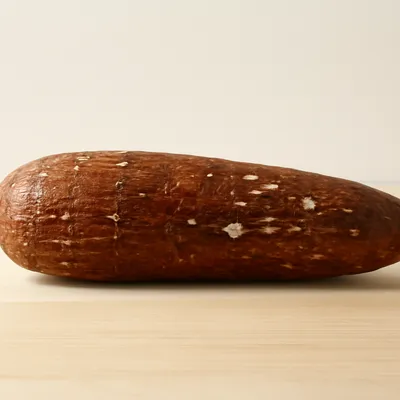


Tubers come from terrestrial orchids of multiple species (16 species in 6 genera per DNA barcoding), not Disa engleriana specifically. Chikanda is most strongly documented as a Bemba dish of Zambia's Northern Province (northeast); the Tonga association is far weaker. Wild orchids are now so scarce in Zambia that tubers are largely imported (often illegally) from Tanzania, Angola, and the DR Congo.
Slice into chikanda — the dense-meaty slab is deep-pink-purple, fine-grained, smooth-cut. Bite: the texture is dense like a firm polenta or African polony, the flavor is peanut-forward with a slow-building chili heat, the orchid contributes a subtle vegetal sweetness. Cold with a squeeze of lemon, this is the most-unique Zambian delicacy — a vegan 'meat' invented before vegan was a word.
The gelling agent is glucomannan in the orchid tubers; on heating above a raised pH (from the baking soda/ash) it forms a heat-stable gel that sets firm on COOLING (the dish is sliced and eaten cold), rather than the soda merely 'activating' it during cooking.
Variations
Cake chikanda is the most-common version — sliced thick like luncheon meat. Stew chikanda is cooked slightly softer and served in a bowl. Coconut chikanda (lake versions) adds 100 ml coconut milk to the simmer. Spicier urban version adds 4-5 tsp chili. Modern vegan-restaurant version uses cultivated yam tubers to spare wild orchid populations.
On the Palate
Where Chikanda sits in the Zambian flavor cloud
The 20-minute low-heat cook after the batter thickens is the make-or-break: constant stirring while the paste pulls away from the pot sides and deepens in color sets up the glucomannan so the slab gels firm on cooling and slices clean, rather than staying loose and sticky.
Ingredients
Serves 6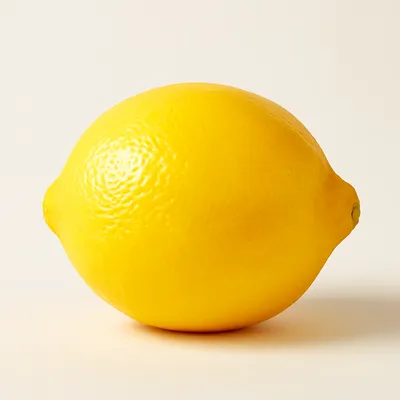
How it's made
12 steps · 45 min active + 45 min waiting
- 1480 min
Soak 200 g dried chikanda orchid tuber (or substitute 300 g shredded young konjac yam + 100 g grated cassava for similar texture) overnight in cold water. Drain.
- 210 min
Pound 250 g raw peanuts in a mortar (or pulse in a food processor) until they form a coarse flour-like meal. Set aside.
- 316 min
Pound the soaked chikanda (or substitute mixture) into a fine pulp with a wooden mortar and pestle. About 15 min of pounding.
- 45 min
Combine the pounded chikanda with the peanut meal in a heavy pot. Add 800 ml water + 2 tsp salt + 1 tsp baking soda + 2-3 tsp ground chili (kambusi pepper or cayenne).
- 54 min
Whisk vigorously to combine into a smooth pinkish-brown batter.
- 69 min
Bring to a simmer over medium heat, stirring constantly with a wooden spoon (about 8-10 min). The mixture will thicken and become a dough-like paste.
Watch outOnce it hits a simmer it thickens into a dough-like paste in 8-10 minutes; keep the spoon moving so nothing catches.
- 722 min
Continue stirring on low for 20 min — this is the critical cook. The mixture will get very thick and start pulling away from the pot sides; the color deepens to deep-pink-purple.
Watch outThe critical cook: paste goes very thick, pulls from the sides, and deepens to pink-purple over the full 20 minutes.
- 82 min
Test consistency: it should be like firm polenta. If too loose, cook 5 min more.
Watch outConsistency should be like firm polenta that mounds and holds; too loose means it hasn't cooked enough.
- 96 min
Wet a 25 × 15 cm pan or banana-leaf-lined baking dish. Transfer the chikanda; press into a smooth slab about 4 cm thick.
- 1031 min
Steam for 30 min (or cover with a damp cloth and rest at room temperature).
- 1165 min
Cool completely. Refrigerate 1+ hour to firm up.
- 124 min
Slice into 1-cm-thick slabs. Serve cold with a sprinkle of salt, a squeeze of lemon, or alongside a tomato relish.


