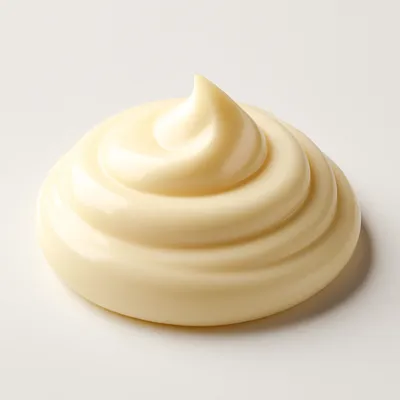
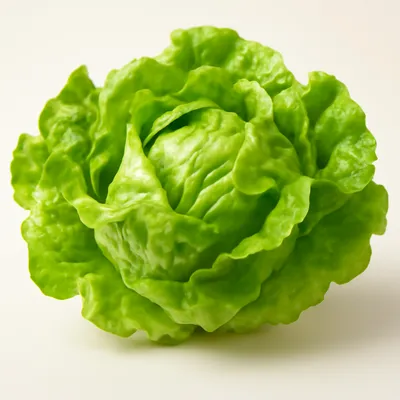
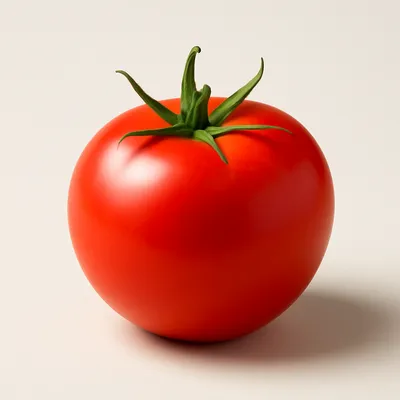
A thick fillet of Gulf grouper — fried, grilled, or blackened — overhanging a soft Kaiser roll with lettuce, tomato, and tartar sauce. The iconic sandwich of Florida's West-Central Gulf Coast, from Tampa Bay through Clearwater and Pass-a-Grille. Grouper is the fish of choice for its firm white flesh that holds together in the fryer and pulls into big, steak-like flakes.


The grouper sandwich is best understood as a regional working-waterfront dish that emerged on Florida's Gulf Coast in the 1960s and 70s, not as a single inventor's creation. The historian Gary Mormino documents that grouper was once a low-value 'trash fish,' and that ordering one drew puzzled looks before it rose in the 1960s as a cheap, abundant catch. By the 1980s the sandwich was a statewide signature, cemented by Gulf-beach institutions like The Hurricane at Pass-a-Grille and Frenchy's in Clearwater. One honest correction: grouper is not Florida's state fish — that title belongs to the Atlantic sailfish, with the largemouth bass as the freshwater symbol; grouper is a culinary icon, not a legal one.
With a fried fillet, a thin cornmeal shell shatters audibly into a billow of steam; beneath it the snowy flesh pulls into big, glossy flakes — closer to a fish steak than a delicate fillet — clean and mildly sweet, framed by tangy-creamy tartar and a squeeze of lemon. Blackened, it trades crunch for a smoky-peppery char that smolders before it flakes. Grilled, it is the lightest of the three, a faint char setting off the fish's natural sweetness. The hallmark is a thick, irregular fillet hanging well past the edge of the bun.
Grouper earns its place through a firm, white, flaky, mild, lean flesh: firmness lets a thick slab survive the fryer or grill intact, the large flakes give a steak-like bite, and the mildness is a blank canvas for batter or blackening spice. The big flakes come from short muscle fibers separated by thin sheets of collagen that gelatinize on cooking. Frying browns a cornmeal or flour crust through the Maillard reaction while surface steam dehydrates it and shields the moist interior. Blackening, invented by Chef Paul Prudhomme in early-1980s New Orleans rather than handed down, sears a spice crust hard in a dry-hot pan.
Variations
The three standard treatments are fried (a flour or cornmeal dredge, or a beer batter), grilled, and blackened. Red and black grouper are the species most often on the menu, prized for firmness and flavor, though many cooks insist freshness matters more than which grouper it is, and menus often just say 'grouper.' Because grouper has long been a target of seafood mislabeling, with cheaper fish sold under its name, many restaurants now price it at market and some name the exact species.
On the Palate
Where Florida Grouper Sandwich sits in the American flavor cloud
Grouper's firm, big-flaked flesh is the whole point, so cook it just to opaque-and-flaking — two to four minutes a side — because pushed past that the lean fillet dries out fast.
Ingredients
Serves 2
How it's made
6 steps · 20 min active + 5 min waiting
- 15 min
Pat a thick grouper fillet dry and soak it briefly in buttermilk or an egg wash.
- 24 min
Dredge in seasoned flour and cornmeal, or batter, or coat in blackening spice for the pan.
- 33 min
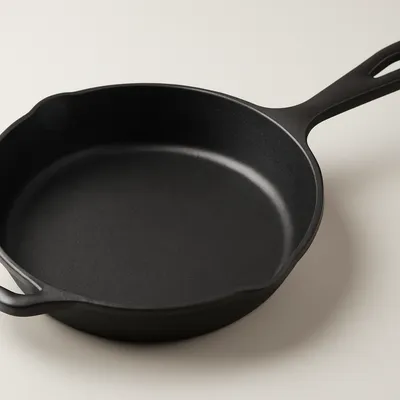
Heat oil to about 375°F (190°C) for frying, or a grill or dry cast-iron pan hot for grilling or blackening.
Watch outFor frying, the oil's ready at about 190°C — a cube of bread should sizzle and brown in seconds; for blackening, the dry pan should be smoking-hot.
- 46 min
Cook until the flesh is opaque and flakes, two to four minutes a side, then drain and squeeze over lemon.
Watch outDone the second the flesh turns opaque and slides into flakes at a fork's nudge — don't wait for firmer.
- 52 min
Toast the Kaiser roll and spread tartar on both halves.
- 61 min
Build with lettuce, the fillet, and tomato; serve with fries or slaw.
Archive tool suggestions — not reviewed
These legacy suggestions have not been evidence-reviewed and are not presented as required tools.